
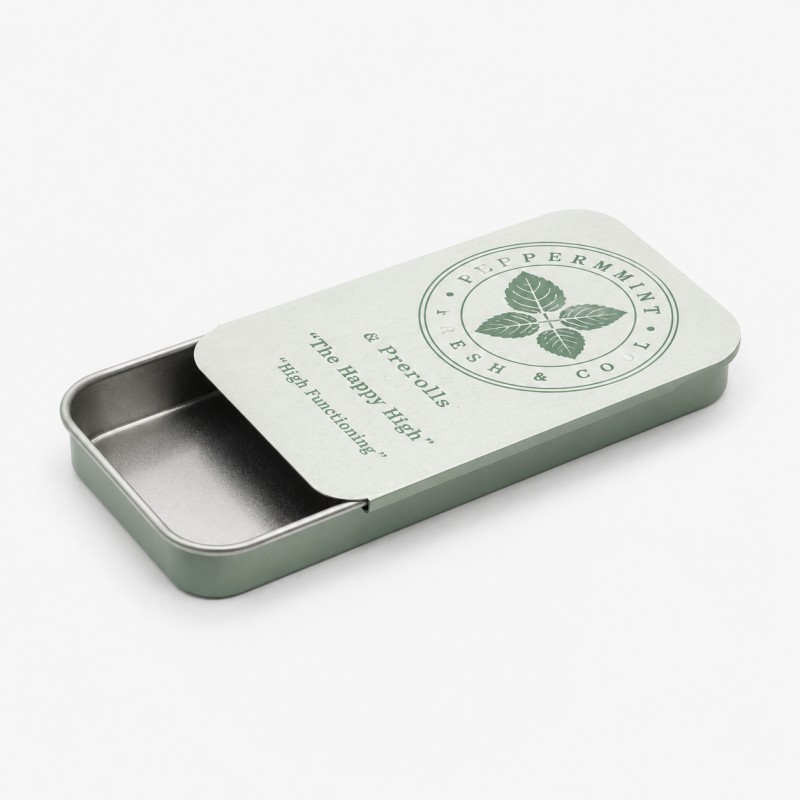
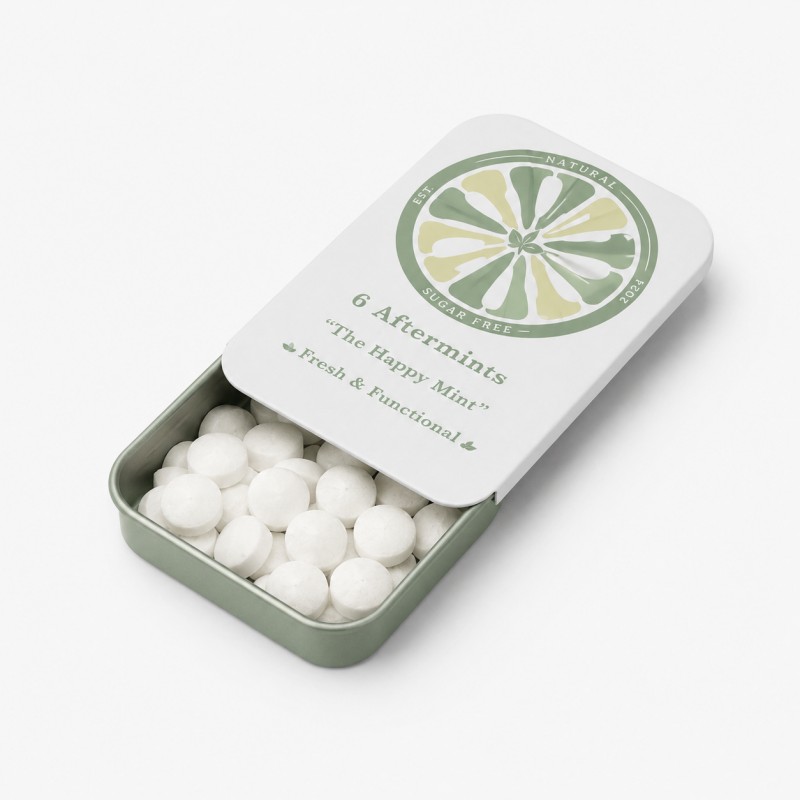
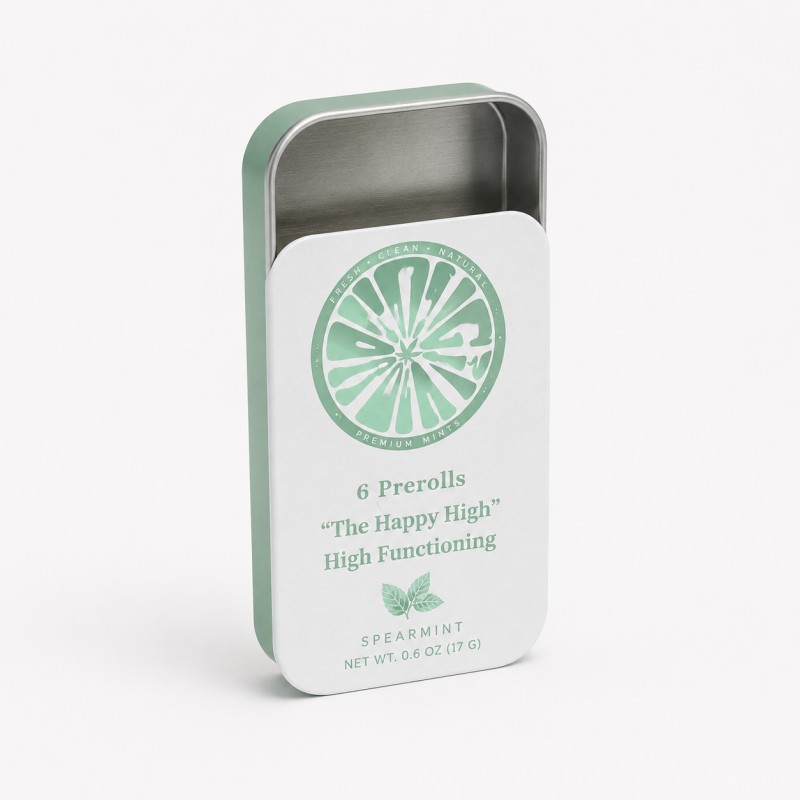
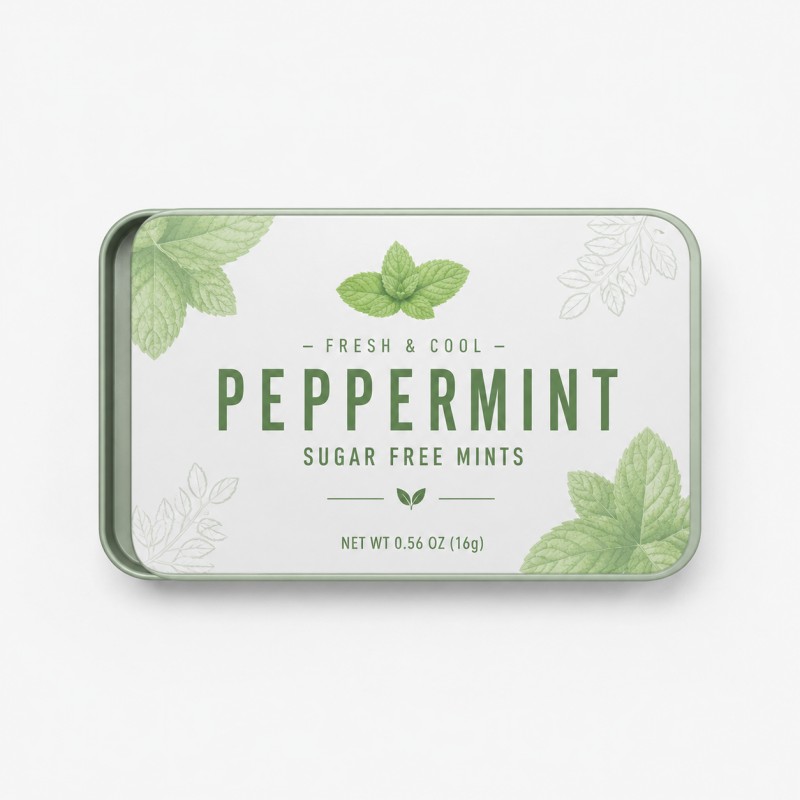
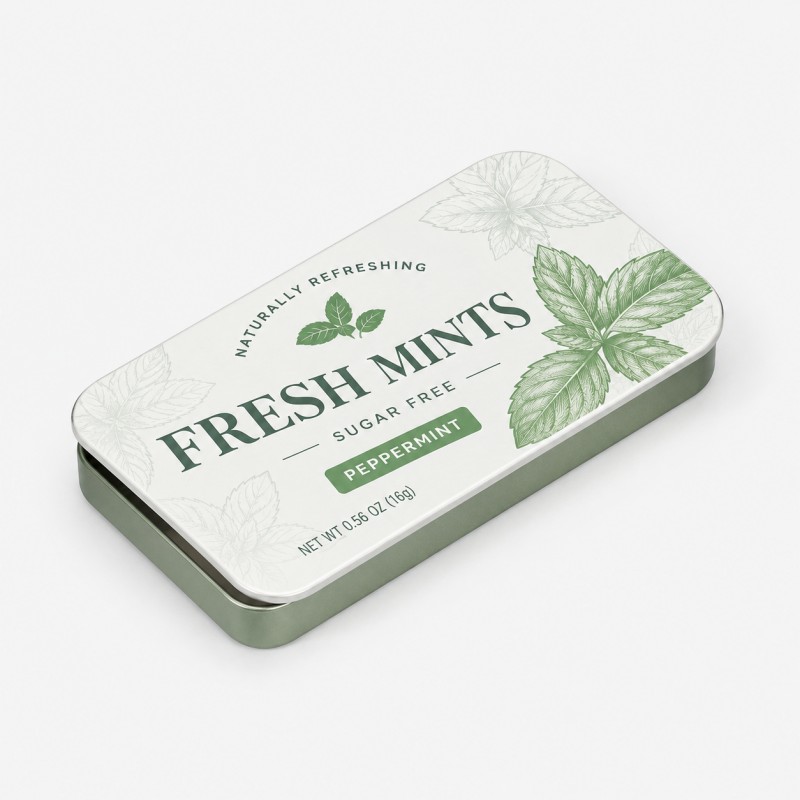
Our custom flat sliding mint tin box is developed for mint manufacturers, confectionery brands, promotional suppliers, retailers and private-label buyers that need compact metal packaging for breath mints, compressed candy tablets, fruit drops and other small sweets. The shallow rectangular body is covered by a metal lid that moves horizontally along the side rails. Unlike a hinged cover, the sliding lid has no hinge connection, and its opening end remains flat without a downward folded closure. This structure allows the lid to move smoothly while keeping the overall package slim enough for pockets, handbags, travel kits and checkout displays.
Product Name :
Flat Sliding Mint Tin BoxDimensions :
L108 × W68 × H15 mmShape :
Rectangle ShapeDesign :
Customizable, ODM / OEMPrinting :
Offset (CMYK) / UV / PantoneSurface Finish :
Matte / Glossy / EmbossingMaterial :
0.23 mm Food-Grade Tinplate0.23 mm Food-Grade TinplateMOQ :
5,000 pcsLead Time :
35 DaysPackaging :
Opp Bag + Master Carton
A conventional mint box may provide useful storage but still feel bulky when carried every day. The flat sliding mint tin focuses on a different requirement: keeping the package thin, easy to open and convenient to carry.
The shallow body reduces unnecessary height, while the rectangular outline fits naturally into pockets, small bags, travel pouches and promotional gift sets. For products that are used repeatedly throughout the day, the sliding action also creates a simple one-handed opening experience.
This format is particularly suitable for:
Breath mints, peppermint tablets, sugar-free candy, small hard sweets, fruit drops, compressed confectionery and individually wrapped mini candy.
The lid sits over the upper edges of the tin body and travels horizontally along formed guide rails. One end of the lid remains open and flat, without the folded-down closing wall found on a conventional removable lid.
This open-ended construction is essential because it allows the cover to pass smoothly over the body during opening and closing.
A correctly developed slide tin should provide:
Smooth movement, controlled resistance, stable alignment and sufficient retention to reduce accidental separation during normal handling.
The sliding fit must be balanced carefully. A lid that is too loose may move during transport, while an excessively tight lid can scratch the body or become inconvenient for customers.
| Closure Type | Opening Method | Portability | Best Application |
| Sliding Lid | Pushes horizontally along the body rails | Excellent for shallow pocket packaging | Mints, candy tablets and small sweets |
| Hinged Lid | Rotates upward around a fixed hinge | Compact, but includes an external hinge | Frequently opened mint and gum tins |
| Removable Slip Lid | Lifts completely away from the body | Simple, but the lid can be separated | General candy and gift packaging |
| Click-Clack Lid | Opens by pressing the lid surface | Suitable for round pocket tins | Compressed mints and small tablets |
Small round or oval breath mints are one of the most suitable products for a sliding mint tin. The shallow structure makes individual pieces easy to reach without requiring a deep container.
Flat compressed sweets can be arranged loosely or packed inside a sealed pouch. Product thickness should be checked carefully to ensure sufficient clearance below the lid.
Small fruit-flavoured drops, lemon sweets and other hard confectionery can use this format when their dimensions are compatible with the internal height.
A clean white, silver, blue or green package can support sugar-free mints and functional confectionery positioning.
Non-medicated herbal or throat sweets can be packed in a slide tin, provided that the required barrier, labelling and market regulations have been evaluated separately.
Individually wrapped sweets may also fit inside, although the wrapper folds require more volume than loose mint tablets.
The opening end is one of the most important structural details of a slide lid tin.
A traditional metal lid usually has folded walls on all four sides. That structure would prevent horizontal movement. On a true sliding tin, one short end remains open, allowing the lid to enter and leave the body rails without obstruction.
This edge should be:
Flat, smooth, accurately formed and free from unnecessary downward folding.
The opposite end may include a retaining structure that helps prevent the lid from sliding completely off during ordinary use, depending on the selected mould.
A small thumb notch can be formed in the body or along the lid-access edge to make the tin easier to open.
The notch should be large enough to provide grip but not so deep that it weakens the body edge or dominates the front appearance.
Its position also affects the artwork. Logos, text and decorative borders should not be placed directly over the formed notch area.
The opening feel of a slide tin comes from the relationship between the lid, body rails and forming tolerance.
A premium result should not feel loose, unstable or excessively stiff. During sample approval, buyers should check:
The force required to begin opening, the smoothness of the movement, the alignment of both sides and whether the lid remains in position when the package is carried.
Printed coatings also influence friction. A glossy finish, matte varnish and unprinted metal edge may each produce a slightly different sliding feel.
A flat mint tin offers portability by limiting depth, but this also means that product height must be tested carefully.
If the mints sit too close to the lid, they may interfere with sliding. If excessive empty space is added, the package loses part of its pocket-friendly advantage.
The capacity should therefore be confirmed using:
The mint diameter, tablet thickness, target piece count, product arrangement and required headspace.
Physical filling tests using the actual confectionery are more reliable than estimating capacity from volume alone.
Loose tablets create a simple opening experience and allow consumers to remove one mint at a time. The internal coating, cleanliness and food-contact requirements should be confirmed for the complete project.
A flexible pouch can provide the main moisture and aroma barrier. The metal tin then supplies structural protection, branding space and reusable value.
A paper liner can improve presentation and reduce direct contact between the confectionery and the interior surface.
Small wrapped sweets can be used when the internal dimensions allow enough space for folded wrapper ends.
A standard sliding mint tin should not automatically be described as fully airtight.
The rails and open-ended lid construction are designed primarily for smooth movement rather than hermetic sealing. Small clearances may remain between the lid and body.
Products that are sensitive to moisture, aroma loss or long storage periods should normally use:
A sealed inner pouch, individual wrapper, protective film or another tested primary barrier.
The exact packaging system should be selected according to the confectionery recipe, expected shelf life and destination market.
The broad, uninterrupted lid surface provides a useful canvas for brand presentation.
Common artwork layouts include:
A central logo, botanical mint illustration, flavour name, sugar-free message and small net-weight information.
The design should also account for the opening direction. Directional graphics and text should remain visually correct when the tin is displayed horizontally on a retail shelf.
Mint leaves, watercolour backgrounds and clean green tones suit peppermint, spearmint and herbal confectionery.
A plain background with a centred logo can create a modern and professional retail appearance.
Silver, gold or exposed-metal details can add contrast without increasing the package thickness.
Selected logos or mint-leaf graphics can be raised, provided the embossing depth does not interfere with the sliding structure.
Matte varnish supports a clean natural image, while glossy coatings enhance brighter candy colours.
The thin profile allows the tin to fit into small spaces where a deeper box would be inconvenient.
Typical applications include:
Travel mint packaging, handbag candy tins, hotel welcome amenities, restaurant after-dinner mints, office giveaways and event promotional sweets.
The metal body protects the contents from crushing more effectively than a simple paper sleeve or flexible pouch.
Flat sliding tins can be printed with corporate logos, campaign messages and event artwork for promotional use.
The lid remains attached through the sliding rails during ordinary opening, reducing the risk of customers misplacing a separate removable cover.
Suitable promotional projects include:
Trade shows, hotels, airlines, restaurants, conferences, automotive brands, healthcare campaigns and employee gift programmes.
The flat rectangular shape allows the tins to be stacked, arranged in rows or packed into countertop display cartons.
Several flavour variants can share the same structure while using different colour systems:
Green for peppermint, blue for cool mint, light green for spearmint, yellow for lemon mint and red for berry-flavoured sweets.
A coordinated collection improves shelf recognition while reducing the need for separate moulds.
Mint producers, confectionery distributors and retailers can apply their own branding to the lid, body and underside.
One existing slide tin mould may support several SKUs, subject to the printing quantity required for each artwork.
The packaging can be developed for:
Breath mints, sugar-free tablets, fruit candy, herbal sweets, coffee candy and small promotional confectionery.
A gum tin usually refers to packaging for chewing gum pellets or gum pieces. A gummy tin refers to soft gummy candy.
Both products may fit inside a sliding metal box, but their packaging requirements differ.
Chewing gum pellets are generally firm and dry, while gummy confectionery may be sticky and moisture-sensitive. Gummies commonly require a sealed inner pouch rather than loose filling inside the tin.
This product uses a horizontal slide lid and does not contain an external hinge.
A hinge rotates the lid upward around a fixed connection. A sliding lid instead travels along the length of the tin body.
Keeping these structures separate is important for product photography, tooling selection, cost calculation and customer expectations.
Jinyu maintains an extensive mould library covering slide tins, hinged tins, slip-lid tins and other metal packaging structures.
Using an existing flat sliding tin mould can reduce tooling investment and shorten the development period.
New tooling can be evaluated when the project requires:
A proprietary length, width, depth, thumb-notch position, rail profile or opening direction.
Provide the mint dimensions, tablet thickness, target piece count and inner packaging method.
Select a suitable flat rectangular structure according to capacity and portability.
Confirm which end remains open and the direction in which the lid should slide.
Position the logo, flavour name and decorative graphics around the notch and forming areas.
Check the lid movement, retention, internal clearance, printing and customer opening experience.
The tinplate is printed, coated, cut, stamped and formed according to the approved specification.
Finished tins are checked and packed with suitable surface protection for export transportation.
Inspection can cover dimensions, rail alignment, opening resistance, lid retention, open-end flatness, thumb-notch position, printing registration and surface condition.
The lid should slide without abnormal scraping, twisting or becoming trapped along one side.
Because the structure contains moving metal surfaces, production consistency is especially important. Small forming differences can affect the final opening feel.
Jinyu provides integrated support for tinplate printing, slide tin mould selection, stamping, forming, assembly, quality inspection and export packing.
Our existing mould resources allow buyers to compare different pocket mint tin dimensions before investing in new tooling.
Custom printing, surface coatings, embossed logos, inner bags and countertop cartons can be coordinated as one packaging project.
OEM and ODM services are available for mint manufacturers, confectionery brands, wholesalers, promotional suppliers, retailers and importers.
To prepare an accurate quotation, please provide the mint or candy dimensions, target piece count, preferred tin size, estimated quantity, number of artworks, surface finish and destination country.
Please also indicate whether the project requires a sealed inner bag, embossing, paper sleeve, tamper label or retail display carton.
No. One short end of a true sliding lid remains flat and open so that it can move smoothly along the body rails.
No. The lid moves horizontally and does not use a hinge connection.
The direction depends on the mould and artwork orientation. A new structure can be evaluated when a special opening direction is required.
Yes, subject to the approved internal specification, food-contact requirements and required shelf-life protection.
Yes, but soft gummy candy normally requires a suitable sealed inner bag because the sliding tin itself is not a complete moisture barrier.
No automatic airtight claim should be made for a standard slide lid. A sealed pouch or individual wrapping is recommended where stronger freshness protection is needed.
Yes. Selected branding elements can be embossed if the location and depth do not interfere with the slide rails or lid movement.
Yes. A finger-access notch can be included according to the selected mould and required opening experience.
The standard MOQ normally starts from 5,000 pieces per size or artwork. Final requirements depend on the mould, printing process and accessories.
Sampling normally takes approximately 7–10 working days after the specifications are confirmed. Mass production generally requires approximately 25–35 working days after sample approval.
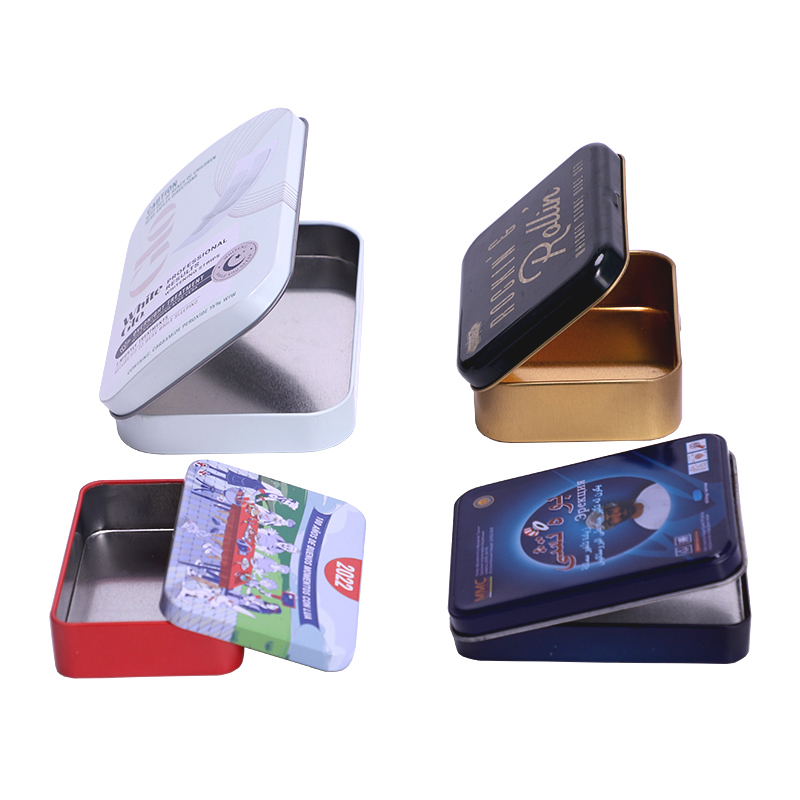
Projetados para serem empilháveis, facilitando o armazenamento e a organização. Podem ser reutilizados para diversas finalidades, desde guardar itens até utilizá-los como peças decorativas. Variedade de tamanhos, cores e designs que podem atender às suas necessidades. A estrutura simples da tampa articulada é fácil de abrir e fechar. A folha de flandres durável os torna duradouros e resistentes ao desgaste.
CONSULTE MAIS INFORMAÇÃO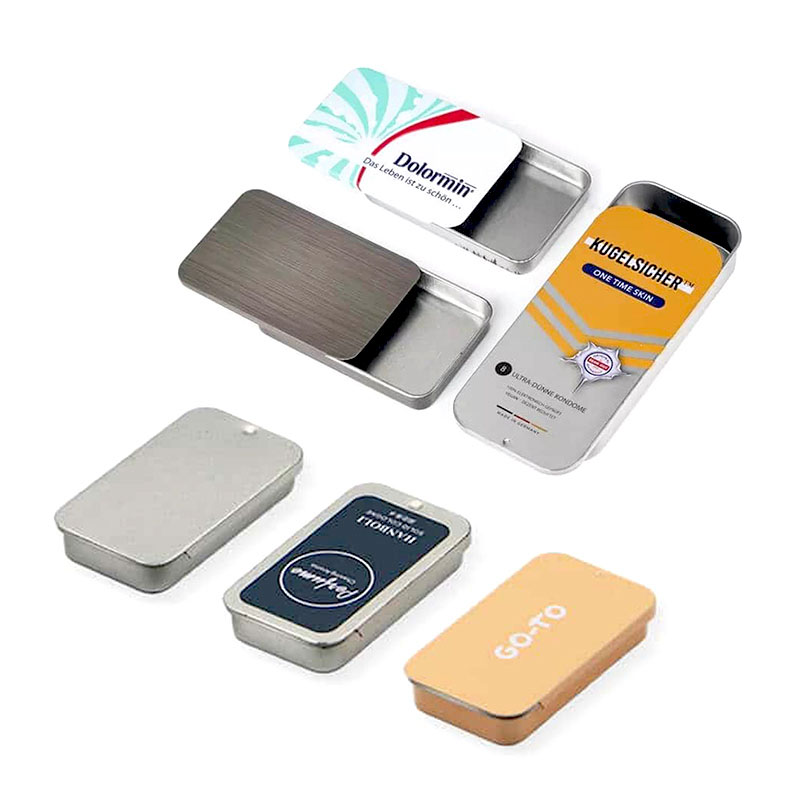
Forte e durável, proporcionando excelente proteção para seus produtos.Podem ser personalizados com a sua marca, tornando-os uma ferramenta promocional ideal.Visualmente atraentes, tornando-os atraentes para os clientes.Fácil de etiquetar, tornando-os ideais para identificação de produtos.Recicláveis, o que os torna uma opção de embalagem ecologicamente correta.
CONSULTE MAIS INFORMAÇÃO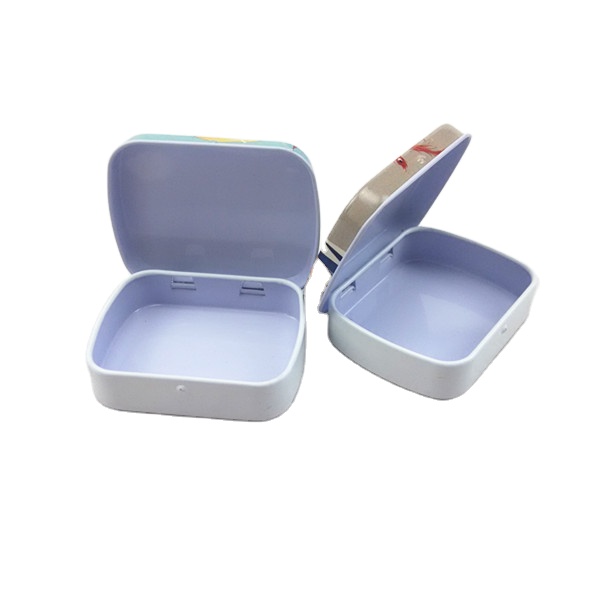
Candy Mint Tin Case, tamanho: 60*50*15mm, é feito de material de folha de flandres de 0,23 mm de espessura, cor CMYK 4 e impressão panton, apoiamos qualquer personalização.
CONSULTE MAIS INFORMAÇÃO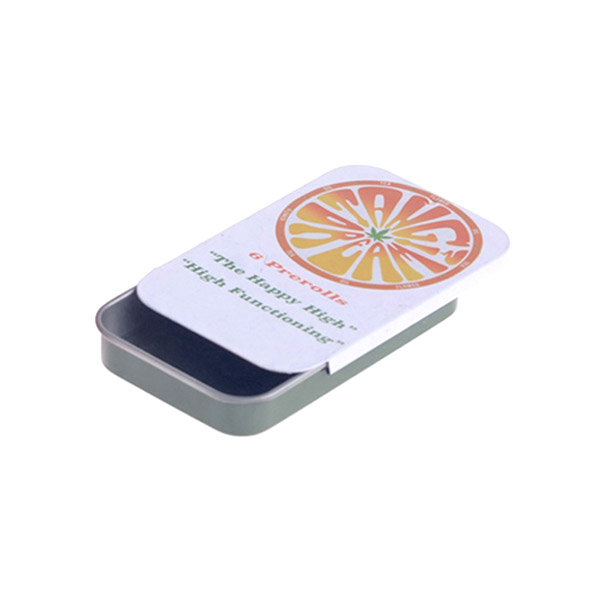
Deslize a caixa de lata, tamanho: 80*50*20mm, é feita por folha de flandres de 0,23mm de espessura, Impressão em cores CMYK 4 ou panton, apoiamos qualquer personalização.
CONSULTE MAIS INFORMAÇÃO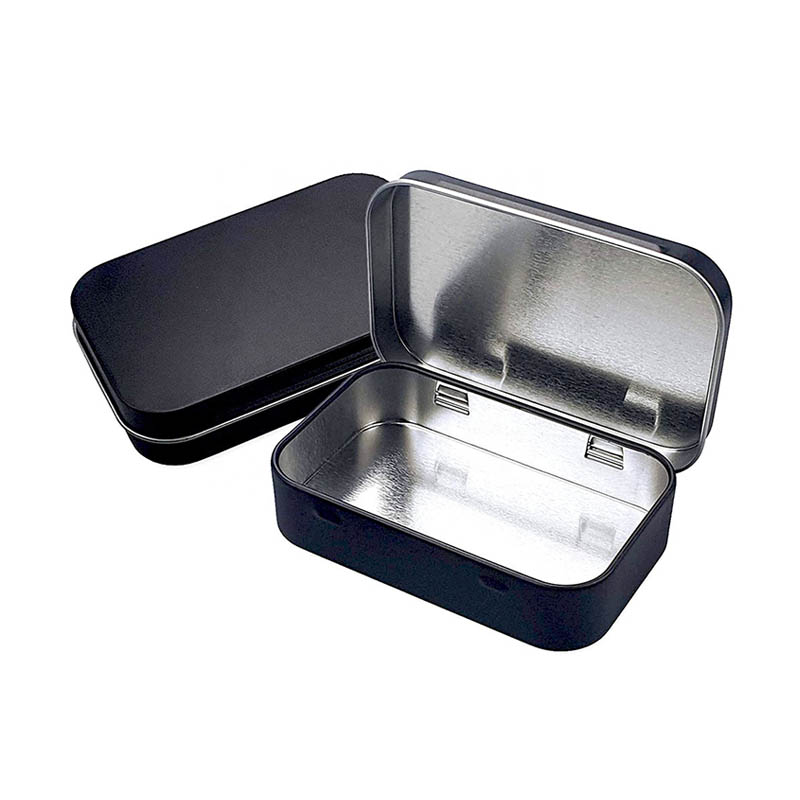
Ótimo para armazenar pequenos itens como moedas, joias e outras bugigangas.Perfeito para presentear pequenos itens como chocolates, doces e outras guloseimas.Durável e pode suportar o desgaste.Vários tamanhos, cores e formas, tornando-os ideais para uma variedade de usos.Boa opção para presentear, pois podem ser personalizados com uma mensagem ou desenho especial.
CONSULTE MAIS INFORMAÇÃO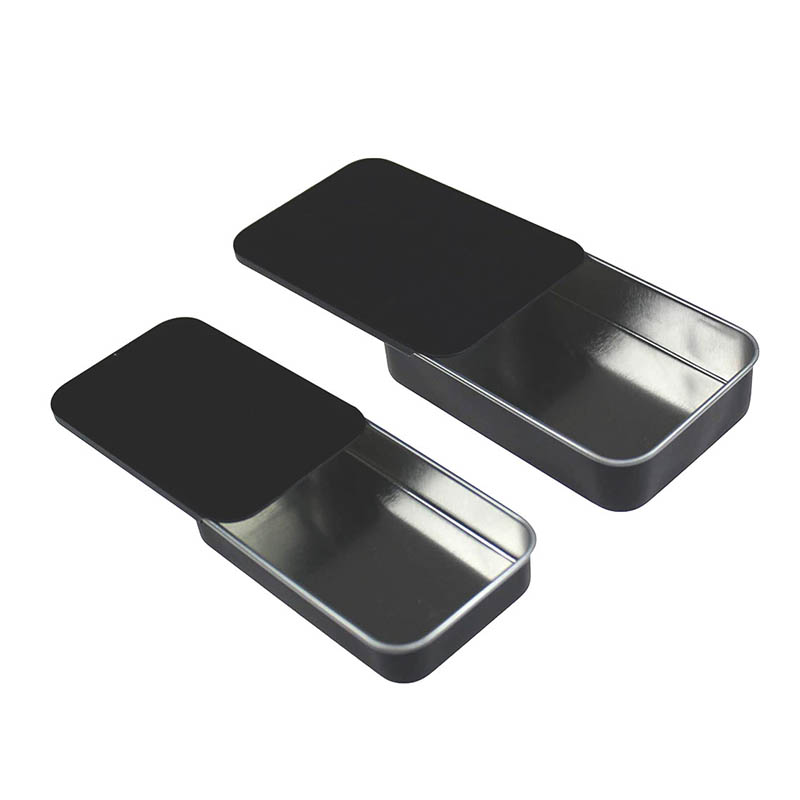
Visualmente atraentes, tornando-os atraentes para os clientes.Fácil de empilhar, tornando-os eficientes em termos de espaço.Resistentes à umidade, tornando-os ideais para armazenar produtos alimentícios.Não tóxicos, tornando-os seguros para produtos alimentícios.Resistentes à corrosão, tornando-os adequados para armazenamento de produtos em ambientes úmidos.
CONSULTE MAIS INFORMAÇÃO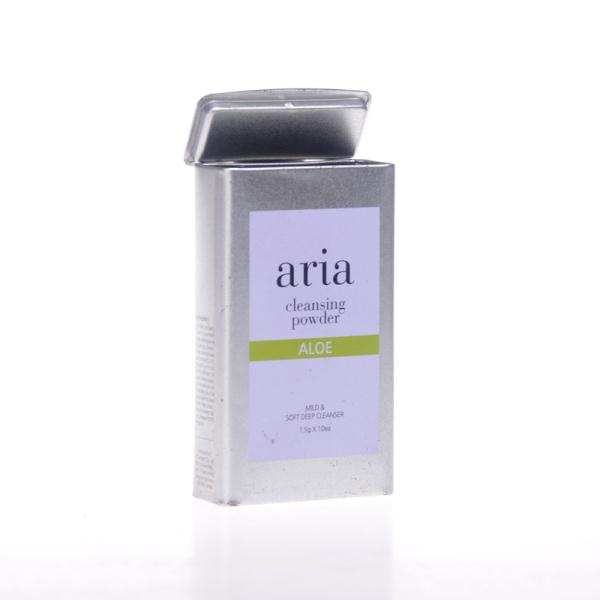
Caixa de lata de hortelã, tamanho: 60 * 25 * 100 mm, é feita por folha de flandres de 0,23 mm de espessura, Impressão em cores CMYK 4 ou panton, apoiamos qualquer personalização.
CONSULTE MAIS INFORMAÇÃO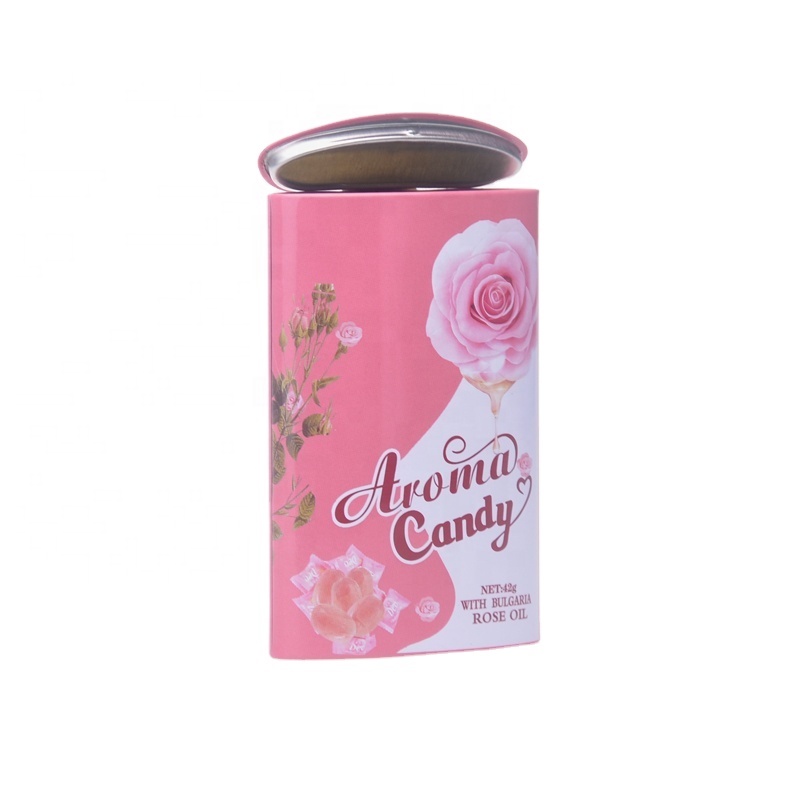
Leve e fácil de transportar.Feito de materiais duráveis, pode suportar uso regular.Tampa simples e fácil de abrir que facilita o acesso à sua hortelã favorita.Visual elegante e moderno que ficará ótimo em qualquer bancada.Materiais duráveis de folha de flandres que manterão sua hortelã fresca e saborosa por mais tempo.
CONSULTE MAIS INFORMAÇÃO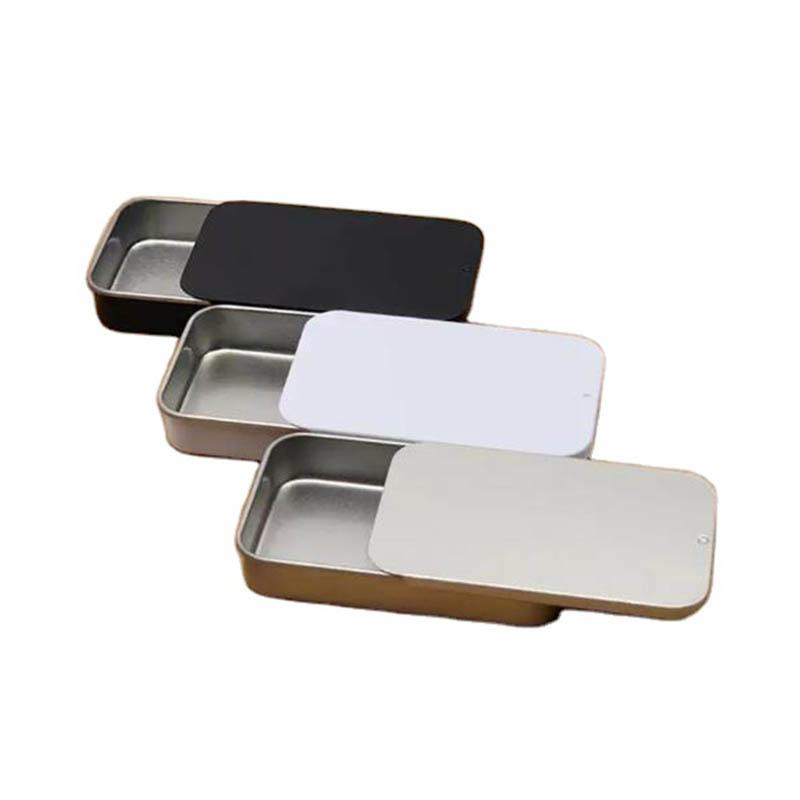
Ótima maneira de mostrar seu produto e destacá-lo da concorrência.Forte e durável, proporcionando excelente proteção para seus produtos.Variedade de tamanhos e formatos, tornando-os adequados para uma ampla gama de produtos.Econômico, o que os torna uma solução de embalagem acessível.Recicláveis, o que os torna uma opção de embalagem ecológica.
CONSULTE MAIS INFORMAÇÃO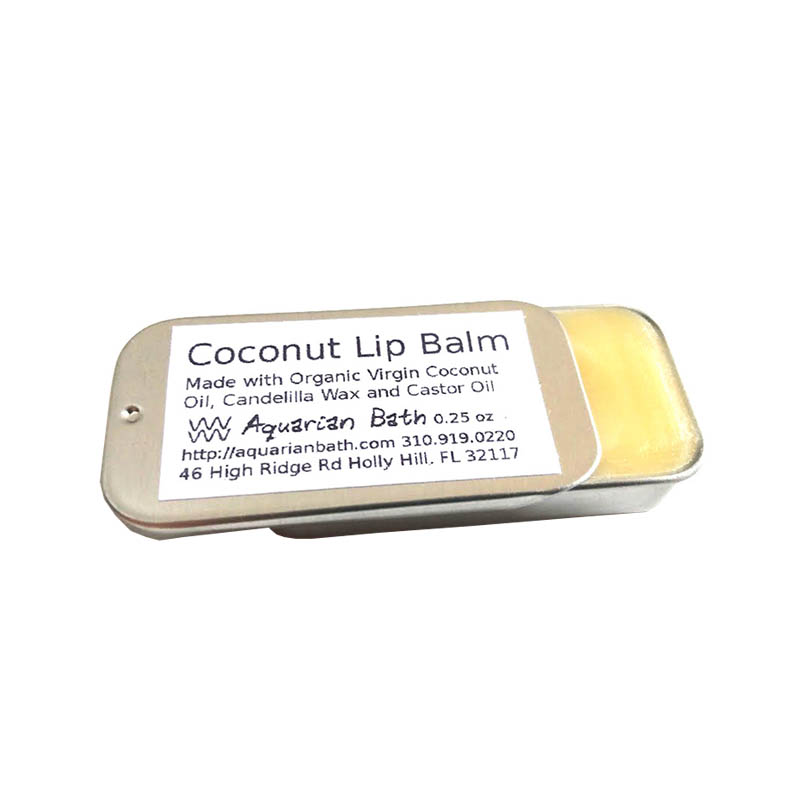
Ecologicamente corretos, pois são feitos de materiais reciclados.Customizável, permitindo que você crie um visual único para o seu produto.Versáteis, pois podem ser usados para diversas finalidades.Ótimos para fins promocionais, pois podem ser impressos com logotipos ou slogans.Solução de embalagem econômica para empresas.
CONSULTE MAIS INFORMAÇÃO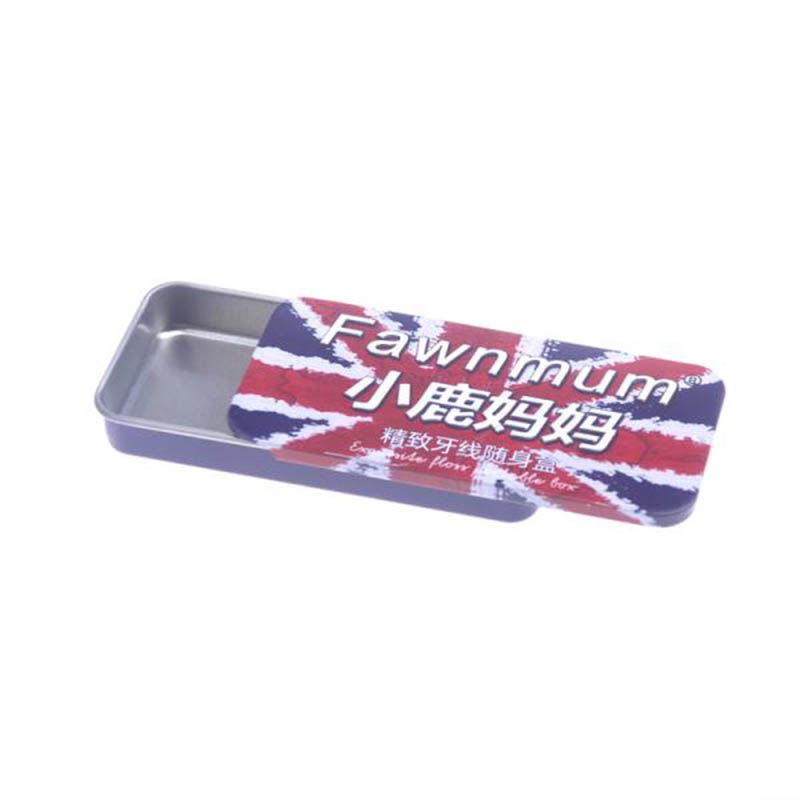
Forneça uma vedação hermética para manter a hortelã fresca por mais tempo.Variedade de tamanhos e estilos, tornando mais fácil encontrar um que atenda às suas necessidades.Feitos de materiais duráveis, tornando-os duradouros e resistentes à ferrugem e corrosão.Ajude a aumentar o valor percebido de seus produtos de menta.Maneira atraente e atraente de ousar seus produtos de doces de menta.
CONSULTE MAIS INFORMAÇÃO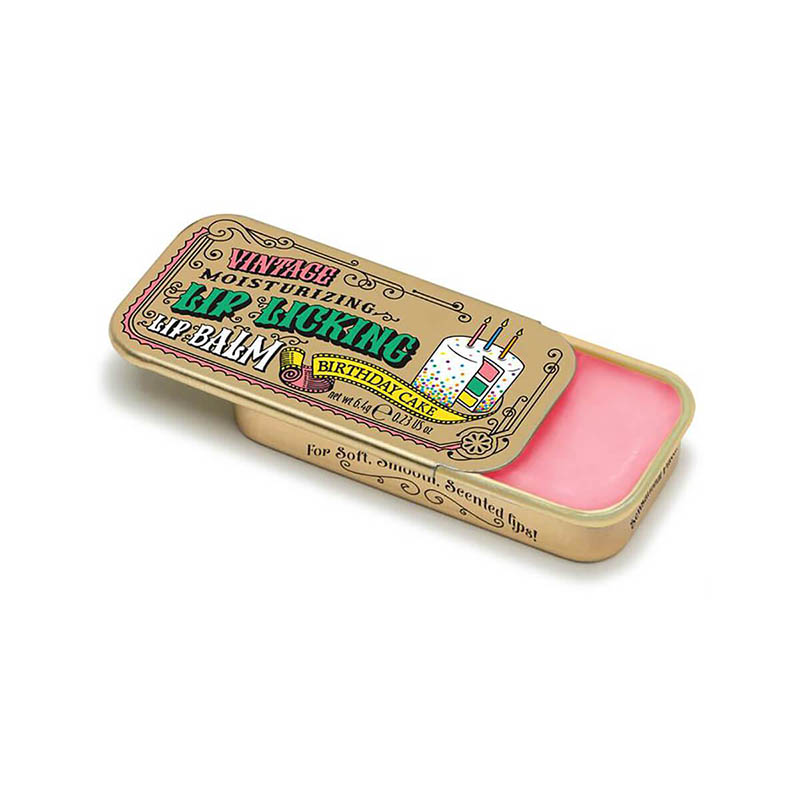
Pode ser personalizado com logotipos, cores e outros elementos de marca.Pode ser usado para armazenar produtos por longos períodos de tempo.Relativamente barato em comparação com outros tipos de embalagem.Resistentes à umidade, tornando-os ideais para armazenar produtos alimentícios.Ótima maneira de agregar valor aos produtos e criar uma experiência única para o cliente.
CONSULTE MAIS INFORMAÇÃO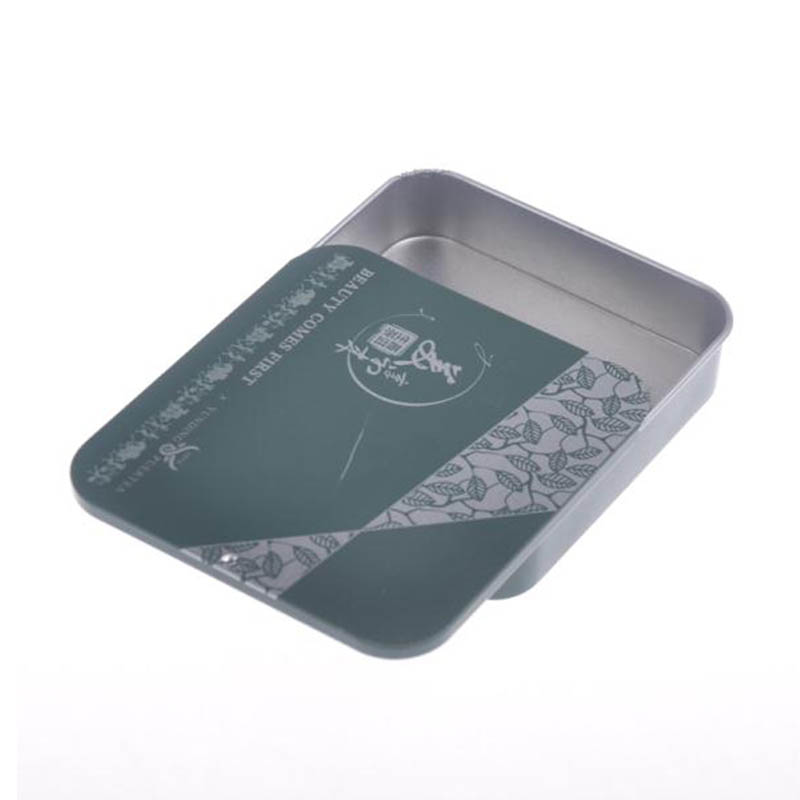
Selo hermético para manter sua hortelã fresca e saborosa.Variedade de tamanhos para acomodar qualquer quantidade de hortelã.Personalizados com seu próprio design ou logotipo, tornando-os uma ótima opção de presente.Feito de materiais resistentes projetados para durar.Projetado para ser empilhável e fácil de guardar em qualquer armário ou despensa.
CONSULTE MAIS INFORMAÇÃO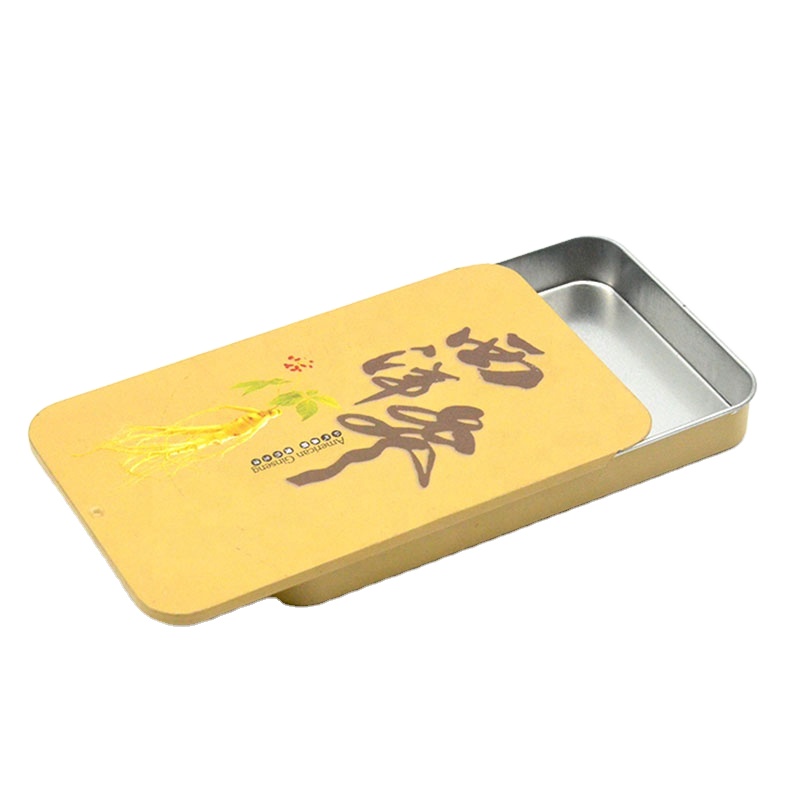
Feito de materiais resistentes e de qualidade alimentar, projetados para durar anos.As latas de hortelã apresentam uma tampa bem ajustada que garante que sua hortelã permaneça fresca e saborosa.Variedade de designs estilosos que certamente impressionarão.Faça ótimos presentes para qualquer ocasião, desde aniversários até feriados.Variedade de tamanhos, tornando mais fácil encontrar o perfeito para suas necessidades.
CONSULTE MAIS INFORMAÇÃO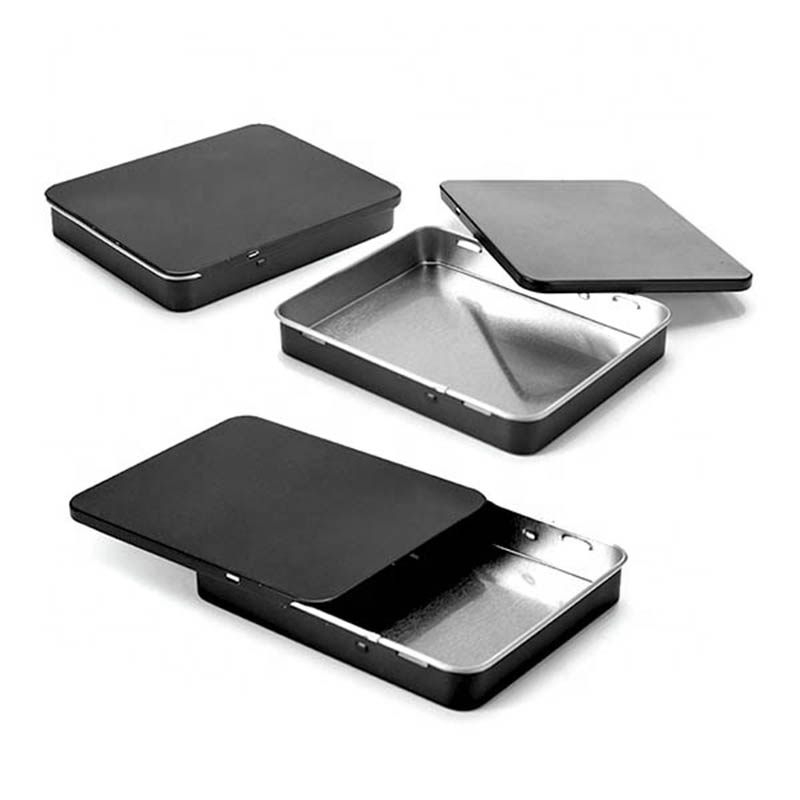
Variedade de tamanhos e formatos, permitindo personalizar suas necessidades de armazenamento.Ótima forma de embalar e presentear presentes, pois são atrativos e seguros.Durável e pode proteger seus itens contra danos.Customizável, permitindo que você crie um visual único para o seu produto.Solução de embalagem econômica para empresas.
CONSULTE MAIS INFORMAÇÃO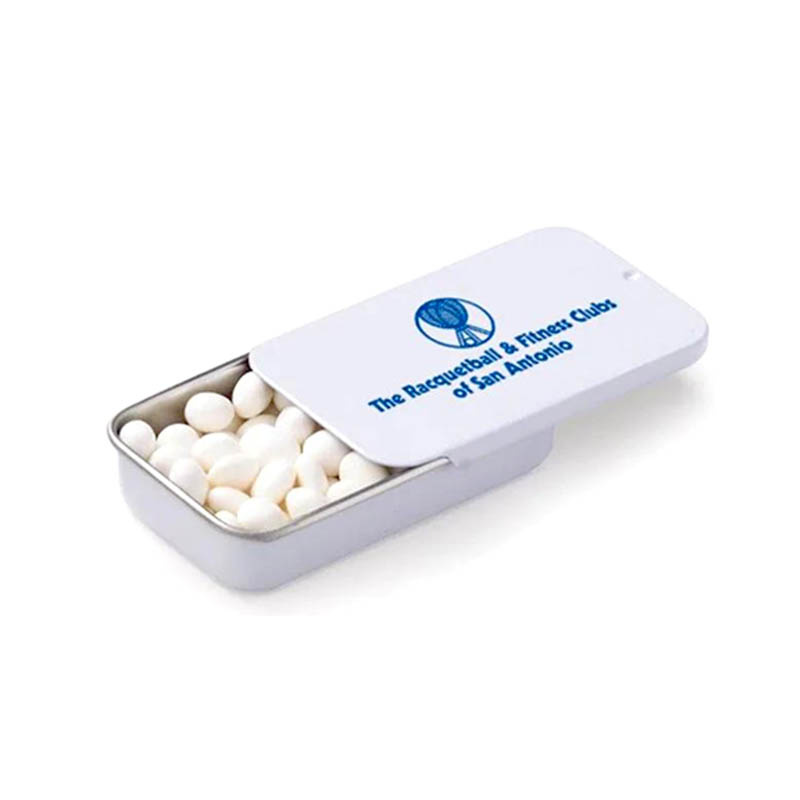
Fáceis de montar e desmontar, o que os torna excelentes para soluções de armazenamento temporário.Empilháveis, o que os torna ótimos para maximizar o espaço de armazenamento.Ótimo para expor itens em lojas de varejo, pois podem ser facilmente abertos e fechados.Ótima maneira de armazenar e organizar documentos, pois são seguros e fáceis de etiquetar.Perfeitos para presentear, pois podem ser personalizados com desenho ou logotipo.
CONSULTE MAIS INFORMAÇÃO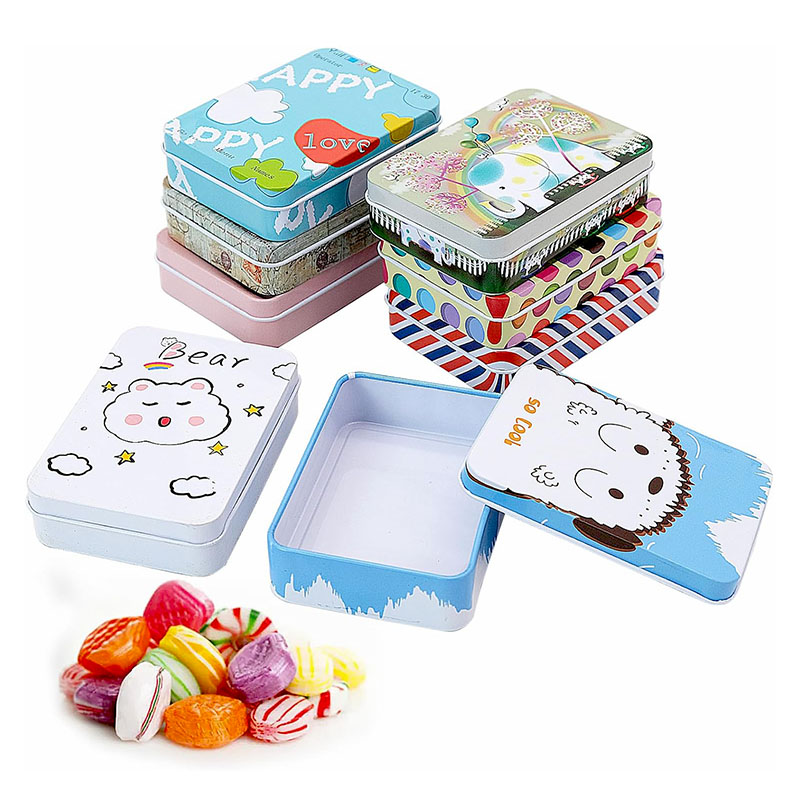
Esses contêineres são projetados para empilhamento sem esforço, simplificando o armazenamento e a organização.Esses recipientes não são apenas reutilizáveis, mas também versáteis, servindo tanto como armazenamento quanto como decoração.Com uma variedade de tamanhos, cores e designs, você pode descobrir o ajuste ideal para suas necessidades.O design simples da tampa articulada permite fácil abertura e fechamento.Fabricados em folha de flandres durável, esses recipientes são construídos para suportar o uso diário.
CONSULTE MAIS INFORMAÇÃO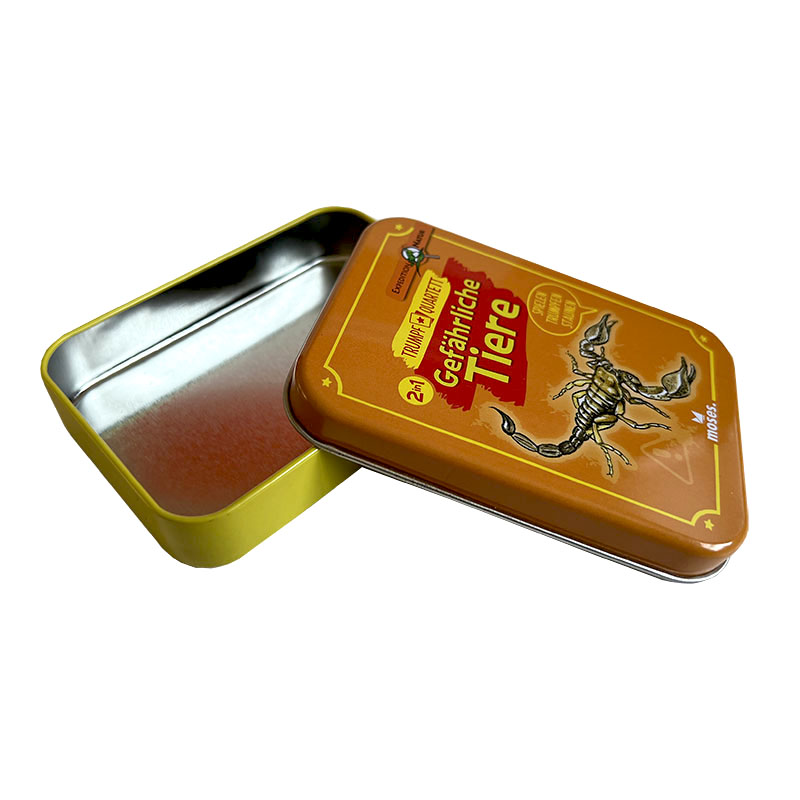
Caixa pequena de caixa de metal, tamanho: 95*65*19mmmm, é feito de material de folha de flandres de 0,23 mm de espessura, cor CMYK 4 e impressão panton, apoiamos qualquer personalização.
CONSULTE MAIS INFORMAÇÃO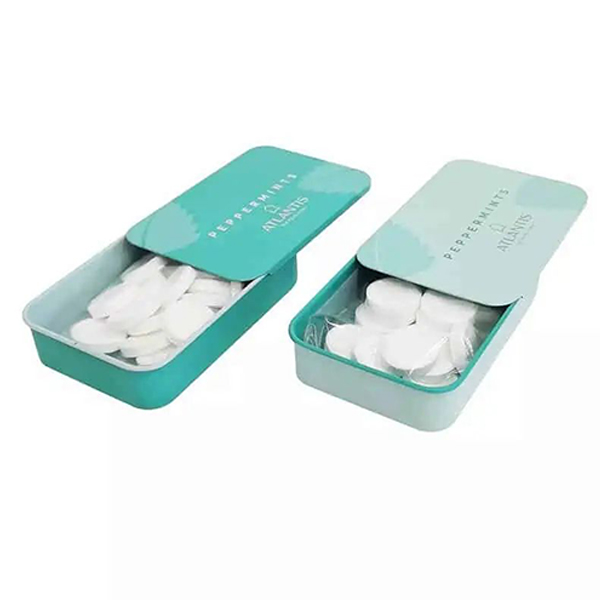
Fáceis de montar e desmontar, o que os torna excelentes para soluções de armazenamento temporário.Empilháveis, o que os torna ótimos para maximizar o espaço de armazenamento.Ótimo para expor itens em lojas de varejo, pois podem ser facilmente abertos e fechados.Ótima maneira de armazenar e organizar documentos, pois são seguros e fáceis de etiquetar.Perfeitos para presentear, pois podem ser personalizados com desenho ou logotipo.
CONSULTE MAIS INFORMAÇÃO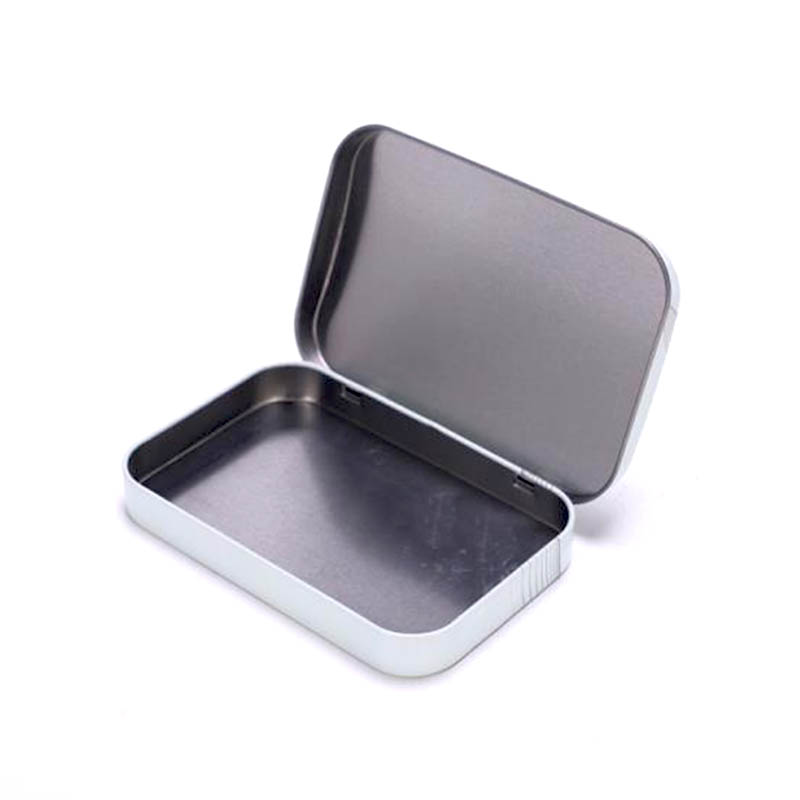
Qualquer que seja o tipo de solução de embalagem de goma de mascar de menta que você precisa, oferecemos a opção certa para você.O processo avançado dará à sua casa da moeda uma boa vedação e armazenamento a longo prazo.Nossos clientes fiéis incluem Mentos, Tic Tac, Altoids, marcas de chá renomadas.Escolha folha de flandres aprovada pela FDA, projetada especificamente para embalagens de alimentos.Equipamento de impressão da mais alta qualidade para exibir perfeitamente o design de sua embalagem de lata de doce de menta.
CONSULTE MAIS INFORMAÇÃO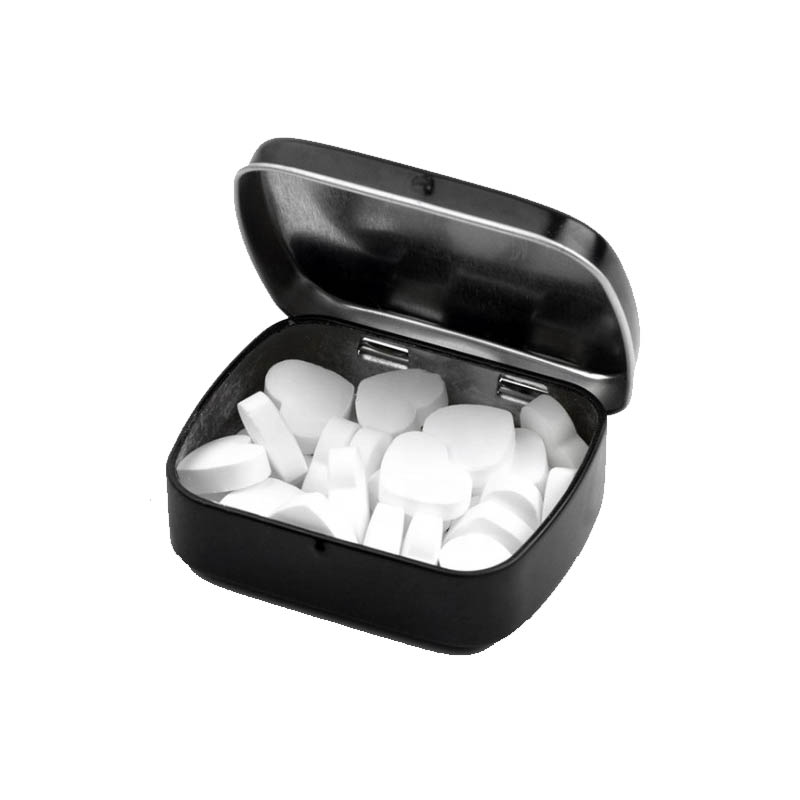
Maneira econômica de promover seu negócio ou marca.Opção de embalagem acessível para empresas e indivíduos.Fabricados com materiais recicláveis, o que os torna uma opção de embalagem ecológica.Variedade de cores e designs, o que os torna uma opção de embalagem atraente.Projetado com uma tampa segura para garantir que os itens permaneçam seguros e protegidos.
CONSULTE MAIS INFORMAÇÃO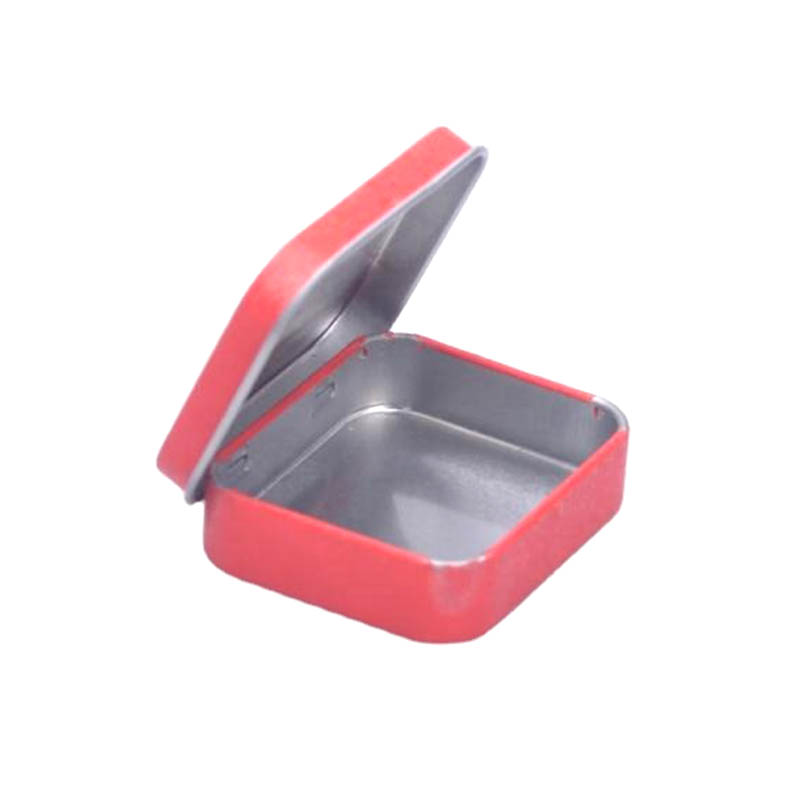
Pode ser personalizado com designs e logotipos personalizados.Ótima maneira de promover seu negócio ou marca.Organize e armazene itens de maneira organizada e organizada.Feitos de metal durável, tornando-os duradouros e confiáveis.Maneira atraente de embalar e apresentar itens promocionais.
CONSULTE MAIS INFORMAÇÃO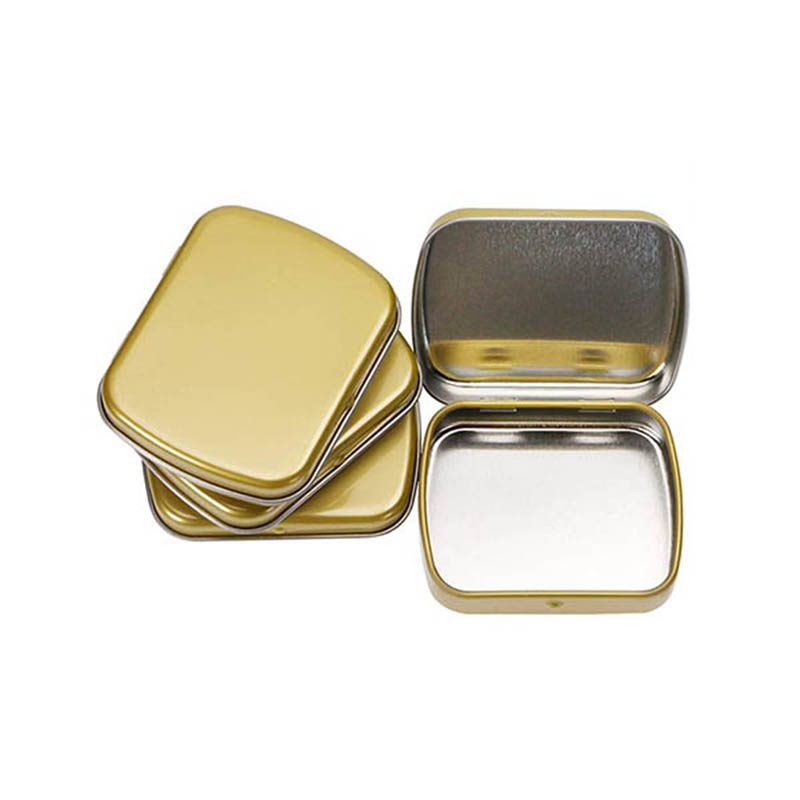
Pode ser usado para armazenar uma variedade de itens, desde balas até joias.Personalizado com seu logotipo, design ou mensagem.Metal durável e projetado para durar anos.Ótima maneira de dar um presente ou presente especial.A estrutura hermética e vedada mantém os itens protegidos contra poeira e sujeira.
CONSULTE MAIS INFORMAÇÃO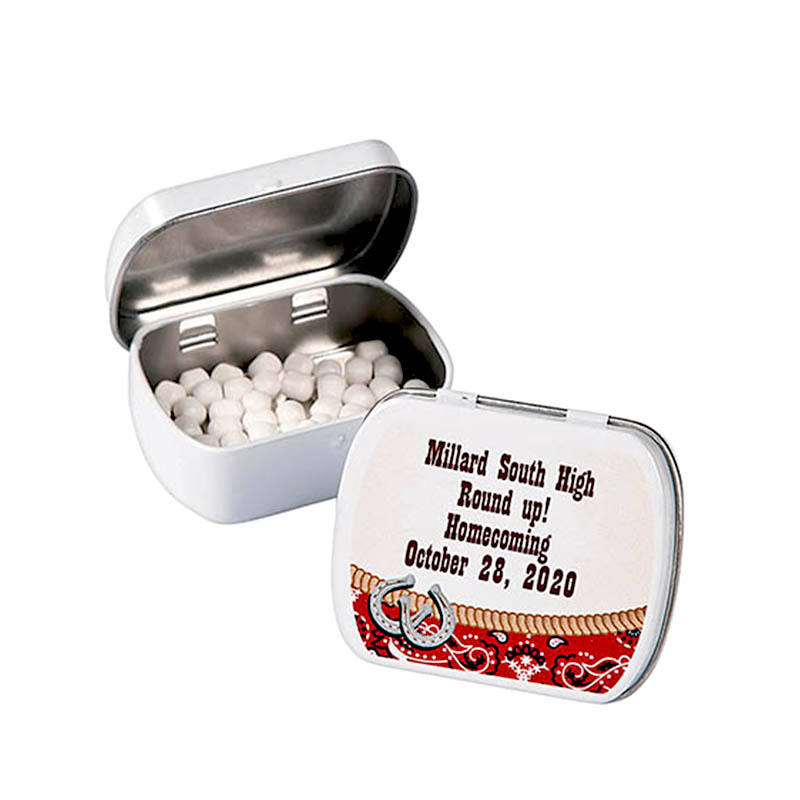
Fácil de abrir e fechar, tornando-os convenientes para o uso diário.Ótima maneira de adicionar um toque pessoal a qualquer presente.Feito de metal durável, tornando-os duradouros.Variedade de formatos e tamanhos, tornando-os perfeitos para qualquer necessidade.Maneira acessível e atraente de armazenar e organizar pequenos itens.
CONSULTE MAIS INFORMAÇÃO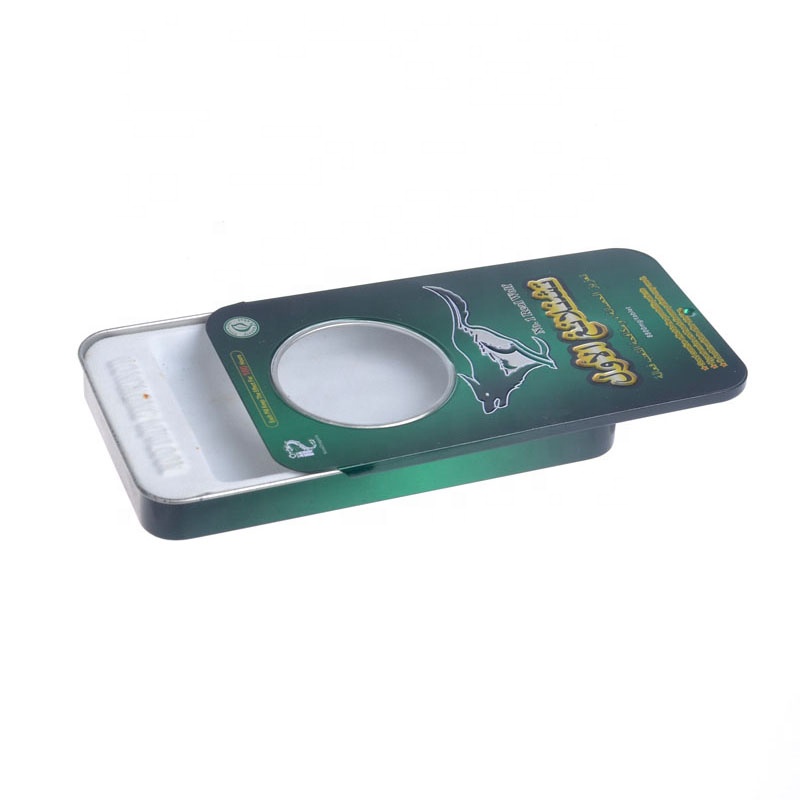
Tampa bem ajustada para impedir a entrada de ar e manter o sabor da menta excelente.Variedade de tamanhos, para que você encontre o tamanho perfeito para suas necessidades.Visual elegante e moderno que ficará ótimo em qualquer bancada.Feito com materiais ecológicos que são melhores para o meio ambiente.Personalizados com seu próprio design ou logotipo, para que você possa torná-los únicos.
CONSULTE MAIS INFORMAÇÃO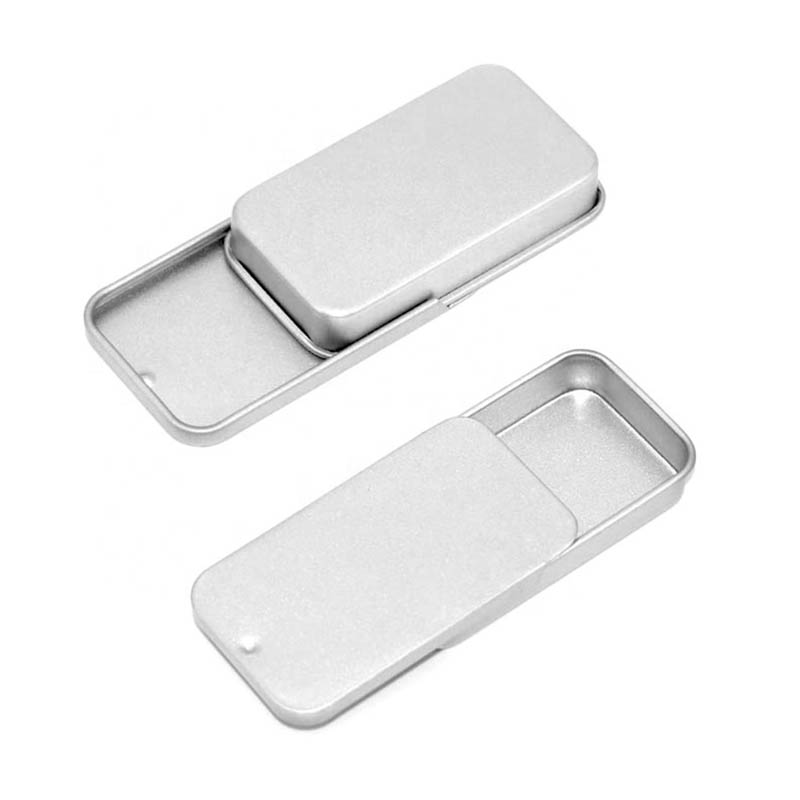
Perfeito para armazenar e proteger itens contra poeira, sujeira e umidade.Leves e duráveis, tornando-os ideais para envio e transporte de itens.Variedade de tamanhos e formatos, permitindo personalizar suas necessidades de armazenamento.Múltiplas cores e designs, permitindo que você personalize suas necessidades de armazenamento.Opção de embalagem acessível para empresas.
CONSULTE MAIS INFORMAÇÃO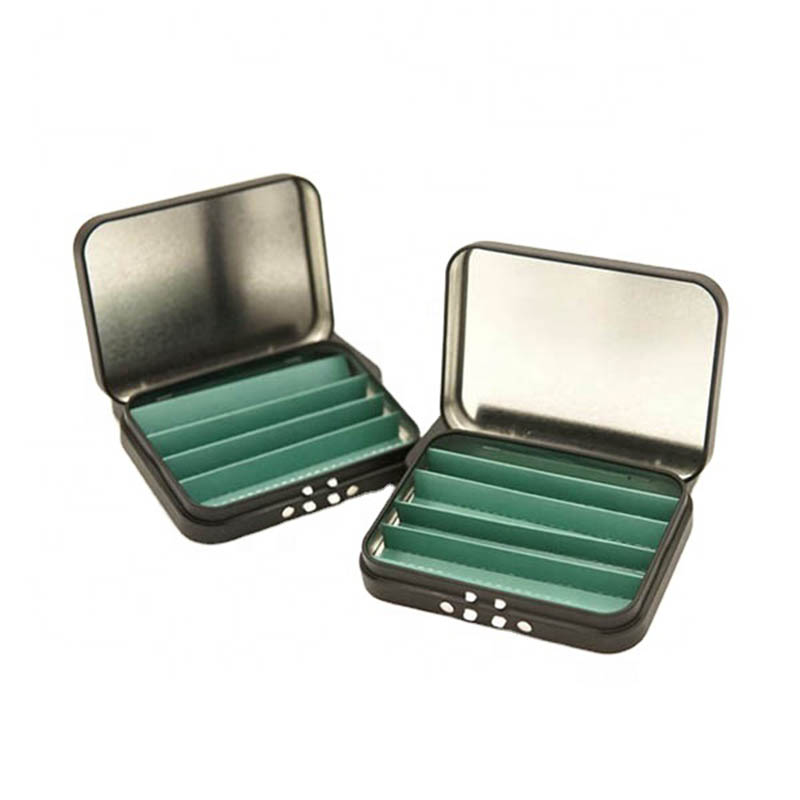
Existem mais de 100 moldes que podem atender às suas diversas demandas.Herméticos e selados os tornam ideais para armazenar itens como especiarias e ervas.Cooperação de longo prazo com Mentos, Tic Tac, Altoids.Opção de embalagem ecológica, pois são reutilizáveis e recicláveis.Ótima maneira de criar uma exibição única e atraente.
CONSULTE MAIS INFORMAÇÃO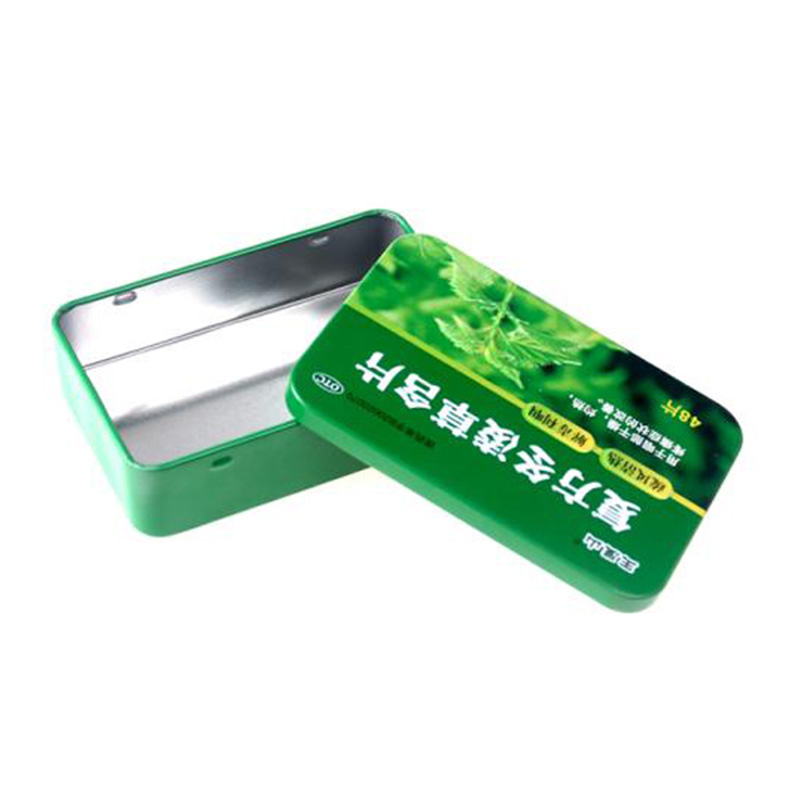
Empilhável, economizando espaço, fácil de armazenar e organizar.Uma gama diversificada de utilizações, seja para guardar artigos ou servir como elementos decorativos.Ideal para presentear pequenos itens como chocolates, balas e outras guloseimas.A folha de flandres para contato com alimentos ajuda a preservar o frescor e o sabor do doce, garantindo que ele permaneça delicioso.As caixas de lata podem ser personalizadas com seus designs e padrões exclusivos, adicionando um toque de exclusividade e aumentando seu valor geral.
CONSULTE MAIS INFORMAÇÃO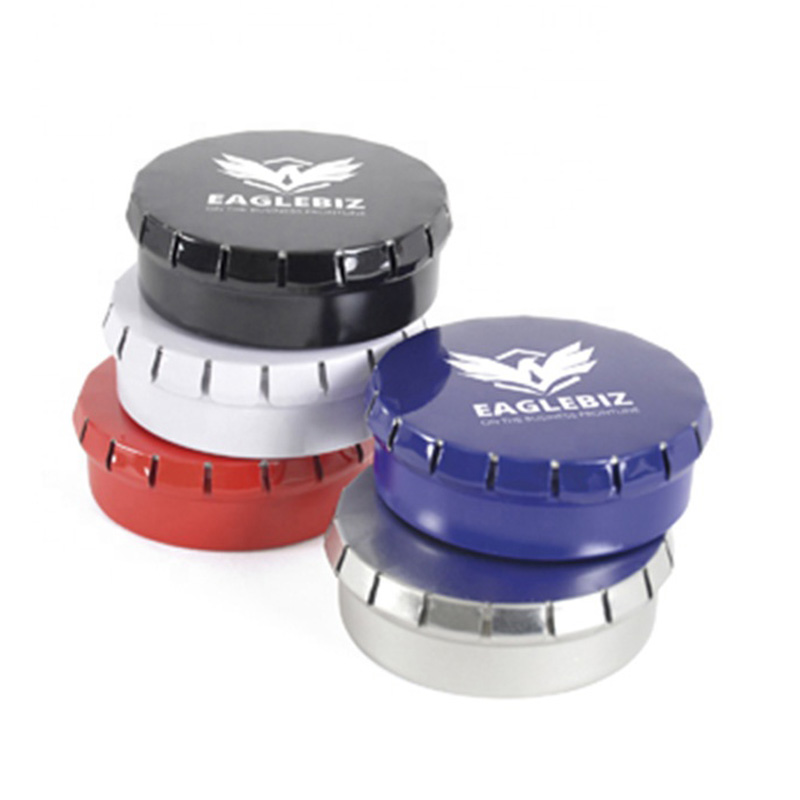
O design empilhável permite uma economia eficiente de espaço, tornando-o conveniente para armazenar e organizar seus itens.Nosso produto versátil pode ser aplicado em diversas finalidades, como armazenamento e decoração.Perfeito para presentear embalagens como chocolates, doces.Projetado para preservar o frescor e o sabor dos doces, garantindo que permaneçam deliciosos.Serviço personalizado para seus próprios projetos, aumentando seu valor e atração geral.
CONSULTE MAIS INFORMAÇÃO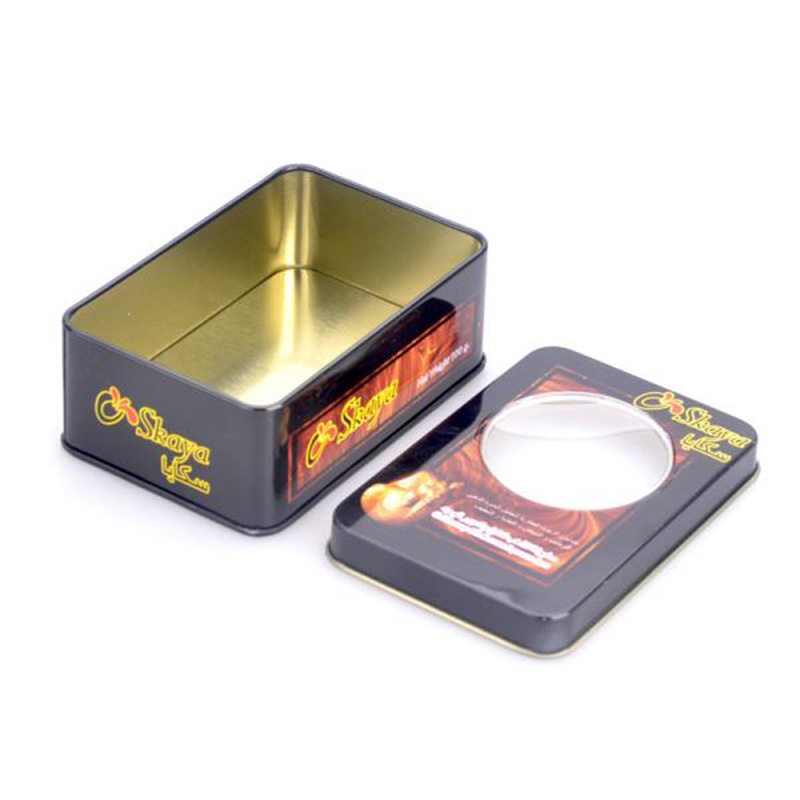
A solução de armazenamento empilhável foi projetada para economizar espaço, tornando-a conveniente para armazenar e organizar seus pertences.Utilizado para diversas finalidades, seja para guardar itens ou servir como elemento decorativo.Perfeito para apresentar pequenos itens como chocolates, doces e outras guloseimas deliciosas.A folha de flandres de primeira qualidade ajuda a preservar o frescor e o sabor dos doces, prolongando a vida útil.O suporte a logotipos e designs personalizados torna o produto mais atraente e valioso.
CONSULTE MAIS INFORMAÇÃO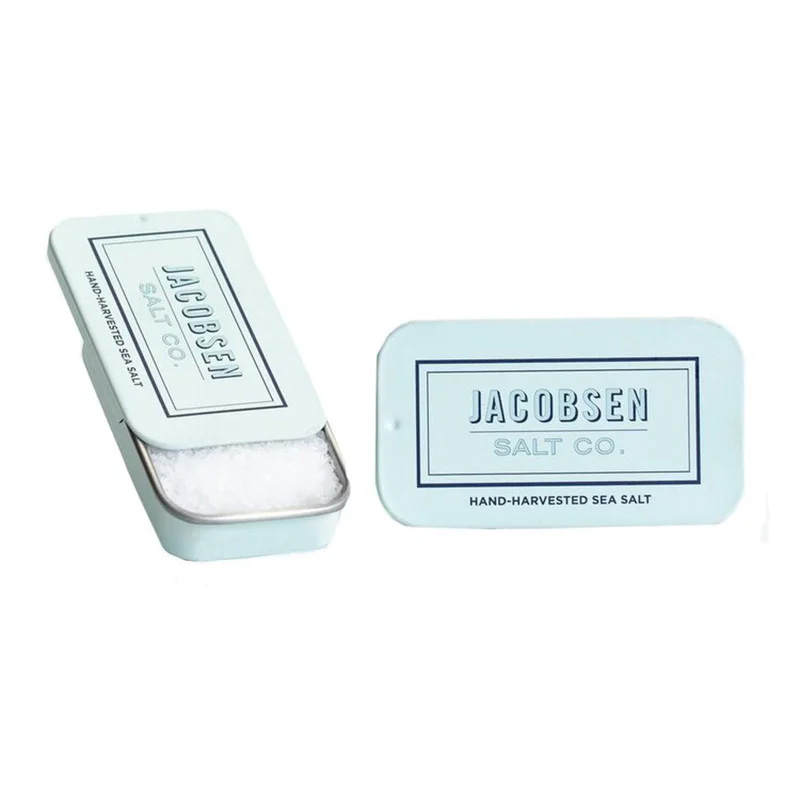
Seus produtos recebem excelente proteção com resistência e durabilidade.Ferramenta promocional ideal, pode ser personalizada com a sua marca.Atraentes para os clientes, possuem um design visualmente atraente.Ideais para identificação de produtos, são fáceis de etiquetar.Opção de embalagem ecologicamente correta, são recicláveis.
CONSULTE MAIS INFORMAÇÃOObtenha as últimas informações e ofertas especiais


 Rede IPv6 suportada
 Português
 English
 Français
 Deutsch
 Español