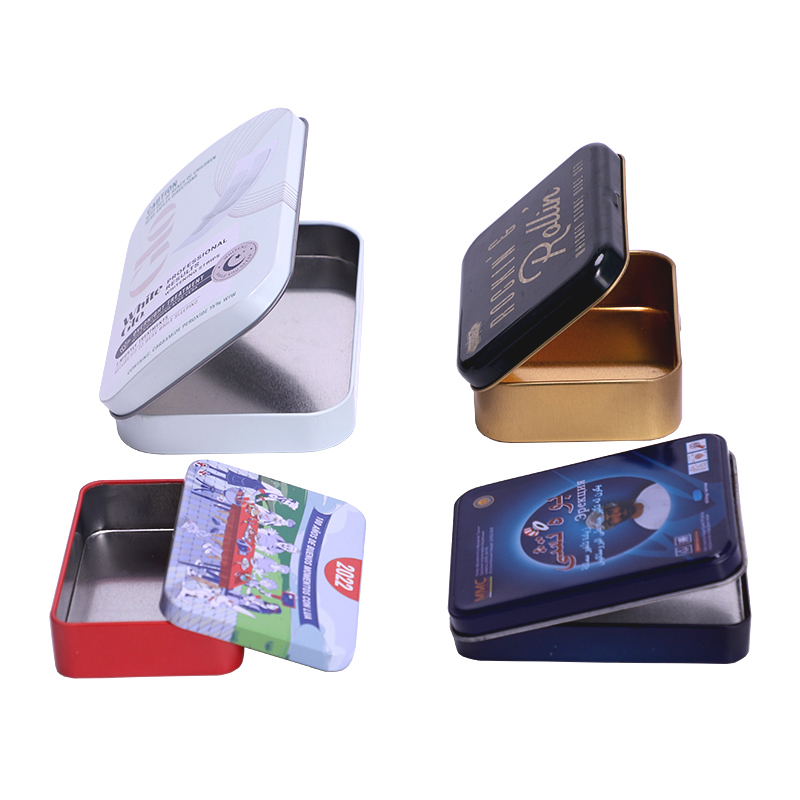

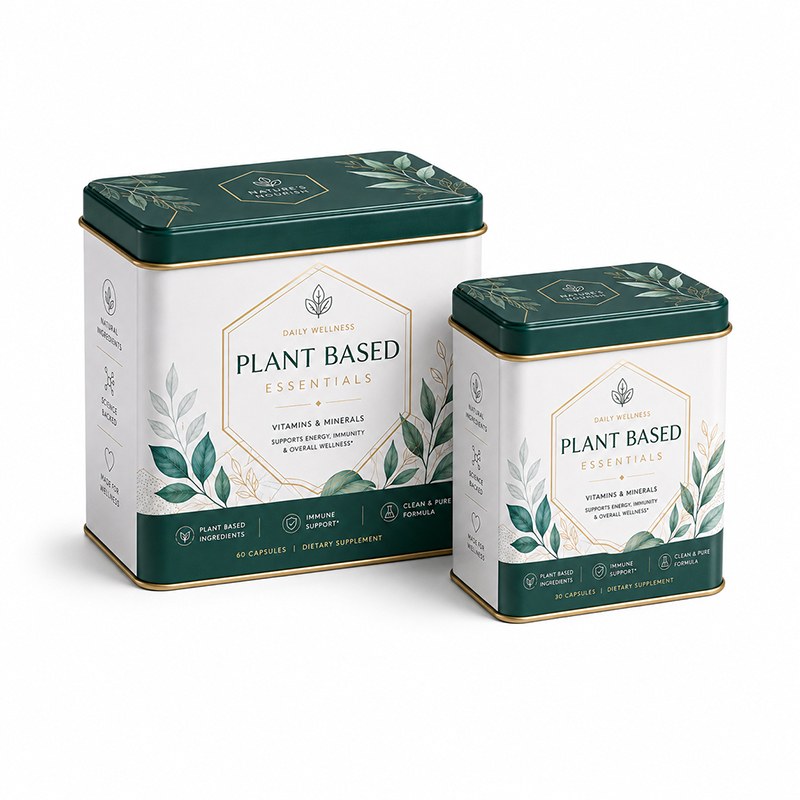
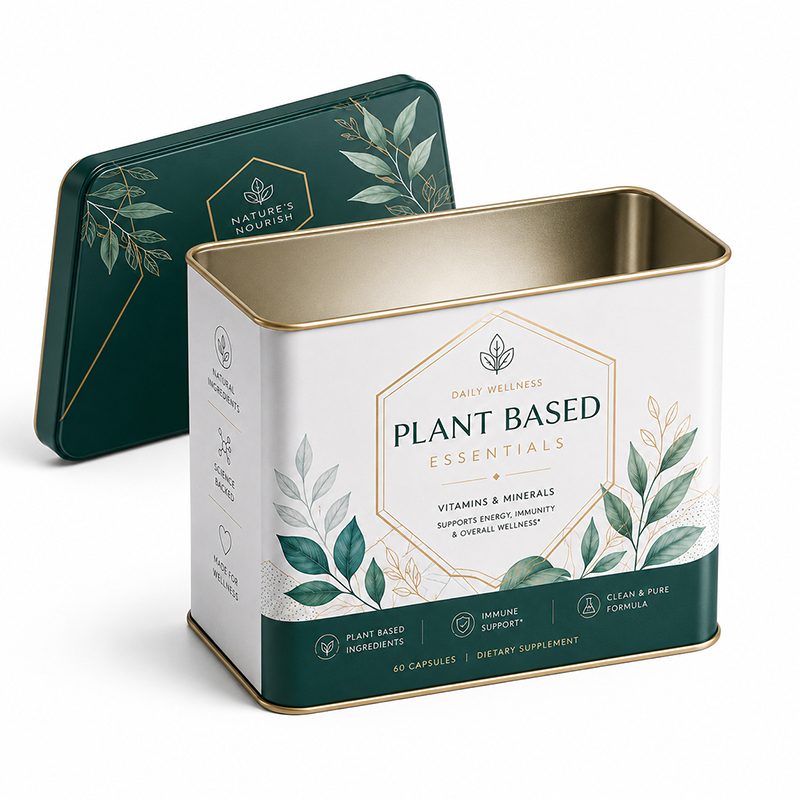
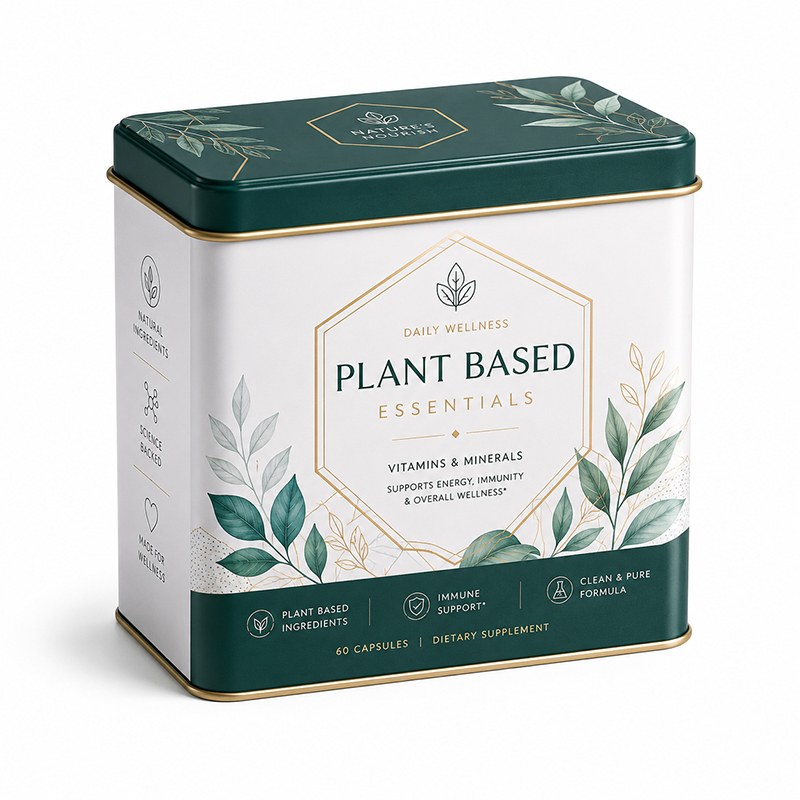
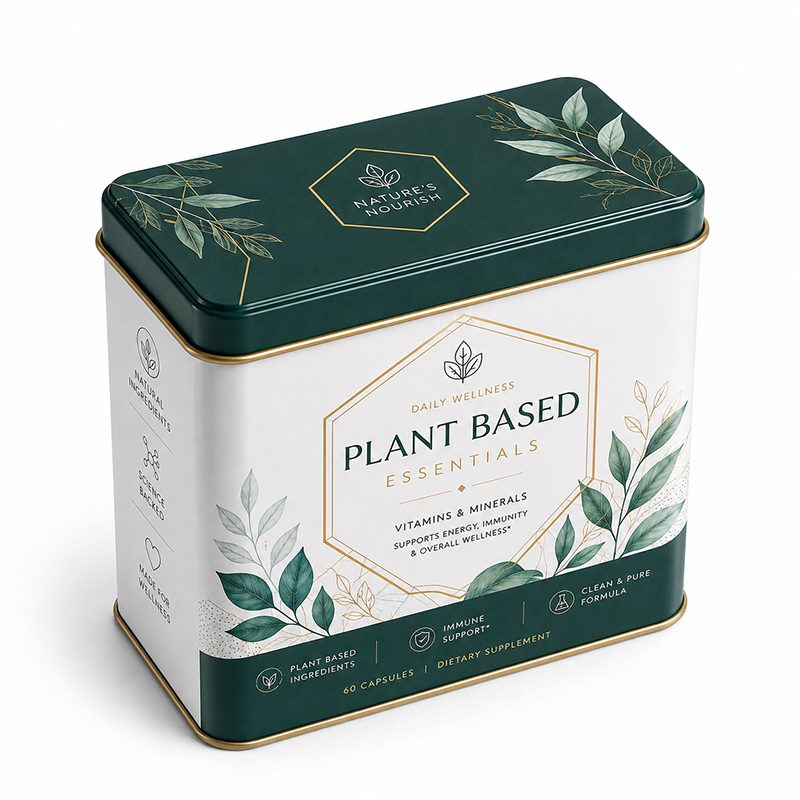
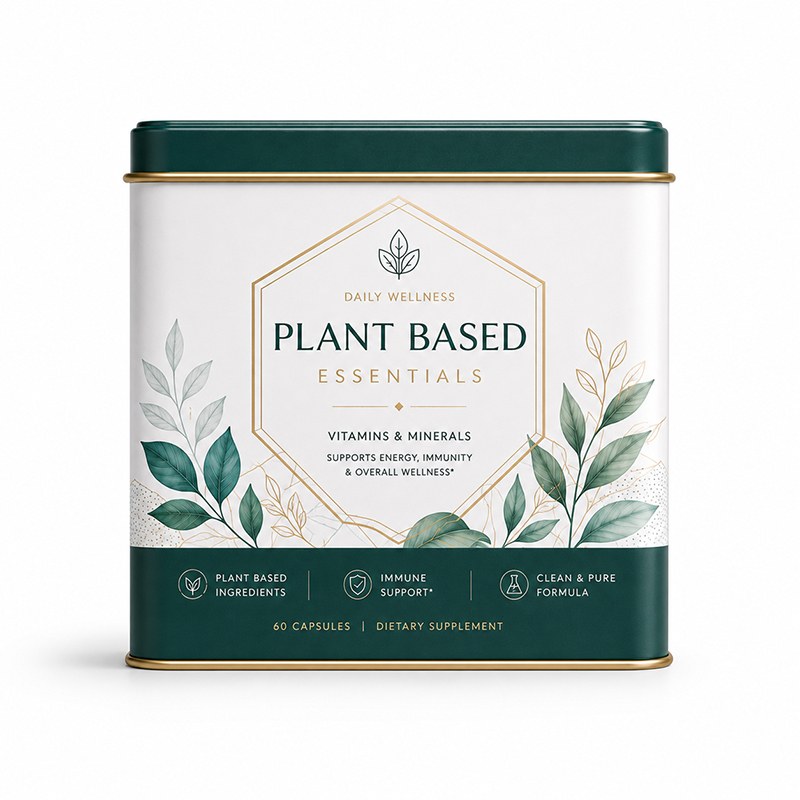
The custom supplement and vitamin tin boxes are developed for nutrition brands, wellness companies, private label suppliers, importers and promotional buyers looking for reusable metal packaging with a stronger retail presence than a standard paper carton. Rather than treating the tin as a container for one specific supplement format, we develop the packaging around the way the finished product is actually supplied. Capsules may be packed in a sealed pouch or bottle, gummies may require a high-barrier inner pack, and daily supplement programmes may use individual sachets or blister packs. The outer metal tin then provides protection, branding space and long-term reuse value.
Product Name :
Supplement and Vitamin Tin BoxDimensions :
L107*W72*H180mmShape :
Rectangular, CustomizableDesign :
Customizable, ODM / OEMPrinting :
CMYK, Pantone and selected metallic effectsSurface Finish :
Matte, gloss, metallic effects, embossing or debossingMaterial :
0.23 mm Food-Grade TinplateMOQ :
5,000 pcsLead Time :
35 DaysPackaging :
Opp Bag + Master Carton
The first question in a supplement packaging project is not simply “What size tin do you need?” The more useful question is “How will the vitamins or supplements be packed inside?”
The answer affects the required depth, opening size and internal layout of the finished vitamin tin box.
| Supplement Format | Recommended Arrangement | Tin Packaging Consideration |
| Capsules or tablets | Sealed bottle, pouch or blister pack inside the tin | Allow clearance for the primary container and easy removal |
| Vitamin gummies | Sealed high-barrier pouch or suitable inner container | Moisture protection should come from the primary pack |
| Powder sachets | Multiple individual sachets arranged vertically or flat | Internal dividers can organise daily or flavour selections |
| Daily supplement packs | Numbered or grouped sachets | A larger rectangular tin can support multi-day programmes |
| Wellness gift sets | Several packaged products combined in one tin | Paper, PET or EVA inserts may be used for presentation |
A metal supplement tin gives wellness brands a different retail position from conventional folding cartons and plastic containers. The tin can be designed as an outer package that remains useful after the original vitamins have been consumed.
For brands, the main advantages are usually related to presentation and secondary protection:
This makes custom printed vitamin tins particularly relevant to premium nutrition collections, subscription programmes, seasonal wellness gifts and private label supplement launches.
For most vitamin and dietary supplement projects, we recommend keeping the supplements in suitable sealed primary packaging rather than placing loose capsules, gummies or powders directly inside the metal tin.
Possible inner packaging includes:
This approach allows the primary package to provide the required moisture, oxygen or aroma barrier, while the supplement tin box provides external protection, printed branding and gift presentation.
A standard tin with a removable lid should not automatically be described as airtight. If barrier performance is important, it should be evaluated together with the actual supplement and primary packaging system.
The same product category does not require every buyer to use the same metal box. The most suitable structure depends on the number of units, retail position and opening experience.
We normally check existing moulds before recommending new tooling. With more than 3,000 existing mould options available across different tin categories, an existing format can often reduce both development time and tooling cost.
One reason for developing this page separately from conventional pill tins is the branding direction. A vitamin metal tin for modern supplement brands often uses lifestyle and wellness graphics rather than the visual language of pharmaceutical packaging.
Suitable design directions include:
CMYK printing works well for botanical illustrations and full-colour graphics. Pantone colours can be used when the packaging must follow an established brand palette.
Natural tinplate can also remain visible in selected areas of the artwork to create silver or metallic effects without covering the complete metal surface.
Supplement packaging often carries more information than an ordinary gift tin. Before the artwork is finalised, buyers should decide which information belongs on the primary supplement package and which information needs to appear on the outer metal packaging.
Depending on the market and product, the design may need space for:
These requirements vary by country and supplement category. The buyer is responsible for confirming the final regulatory text required in the destination market.
From the printing side, we recommend keeping fine text, barcodes and critical information away from rolled edges, deep corners and other forming areas where distortion may occur.
Once the structure and information layout are confirmed, the decorative treatment can be developed around the brand position.
Available options include:
Embossing is normally most effective on the broad lid panel. A brand mark, botanical emblem or simple geometric frame can be raised without making the complete package look overly decorative.
A plain tin cavity works well when the product is already packed in a bottle or pouch. More complex programmes may benefit from an internal insert.
Options can include:
For example, a monthly wellness programme could use one rectangular tin containing several groups of individually sealed daily sachets. A promotional set could combine a supplement bottle with a measuring accessory or information booklet using a fitted insert.
A useful approach for supplement brands is to keep the same tin size while changing the printing between formulas.
One mould could support:
The structural consistency simplifies packing and retail display, while different colours and artwork help customers distinguish between individual products.
For projects with several designs, quantity allocation should be confirmed before quotation because each artwork version requires separate printing preparation.
You do not need to know the exact metal box dimensions before contacting us. In many projects, it is better to provide the packed product information first.
Please send:
We can then compare the project against existing moulds and recommend a practical internal size before artwork preparation begins.
We normally recommend using suitable sealed primary packaging such as a pouch, bottle or blister pack. The metal tin then works as secondary protective and presentation packaging.
Yes, but gummies should normally remain inside an appropriate sealed inner package that provides the required moisture and product protection.
Yes. Compact formats can be reviewed from existing moulds. The correct size depends on whether the product is packed as tablets, blister strips, sachets or another format.
Yes. This can be an efficient approach for a product family. The metal structure stays consistent while the artwork, colour coding or internal arrangement changes.
Yes. The lid, side walls and base can be developed with custom CMYK or Pantone artwork subject to forming and printing safe areas.
Yes. Logos and selected artwork can be embossed or debossed when the position is suitable for the selected mould.
No. A conventional removable-lid metal tin should not automatically be described as airtight. Barrier requirements should be handled by the appropriate primary packaging unless a specific tested closure system is developed.
Our standard MOQ is 5,000 pieces per design. Multiple artwork versions, custom inserts or new tooling can affect the final production arrangement.
Forte e durável, proporcionando excelente proteção para seus produtos.Podem ser personalizados com a sua marca, tornando-os uma ferramenta promocional ideal.Visualmente atraentes, tornando-os atraentes para os clientes.Fácil de etiquetar, tornando-os ideais para identificação de produtos.Recicláveis, o que os torna uma opção de embalagem ecologicamente correta.
CONSULTE MAIS INFORMAÇÃO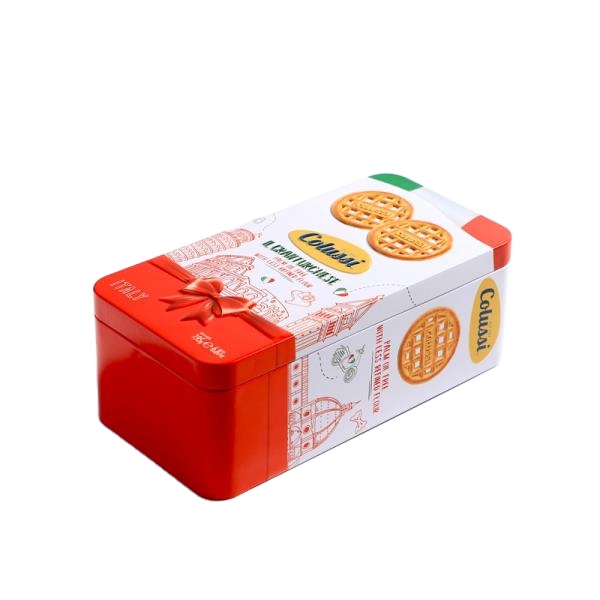
Oferecemos opções adequadas às suas necessidades de embalagem de biscoitos, independente do tipo de embalagem. Técnicas sofisticadas podem proporcionar uma vedação eficaz e permitir o armazenamento prolongado dos seus cookies. Nossos clientes fiéis incluem marcas de biscoitos renomadas, como Oreo, Keebler, Chips Ahoy, Pepperidge Farm. Em folha de flandres de primeira qualidade, em contato direto com alimentos, a embalagem de seus biscoitos pode ser garantida como absolutamente segura. A utilização de pantone profissional e máquinas de impressão em 4 cores garante apresentações em caixas de lata de qualidade superior.
CONSULTE MAIS INFORMAÇÃO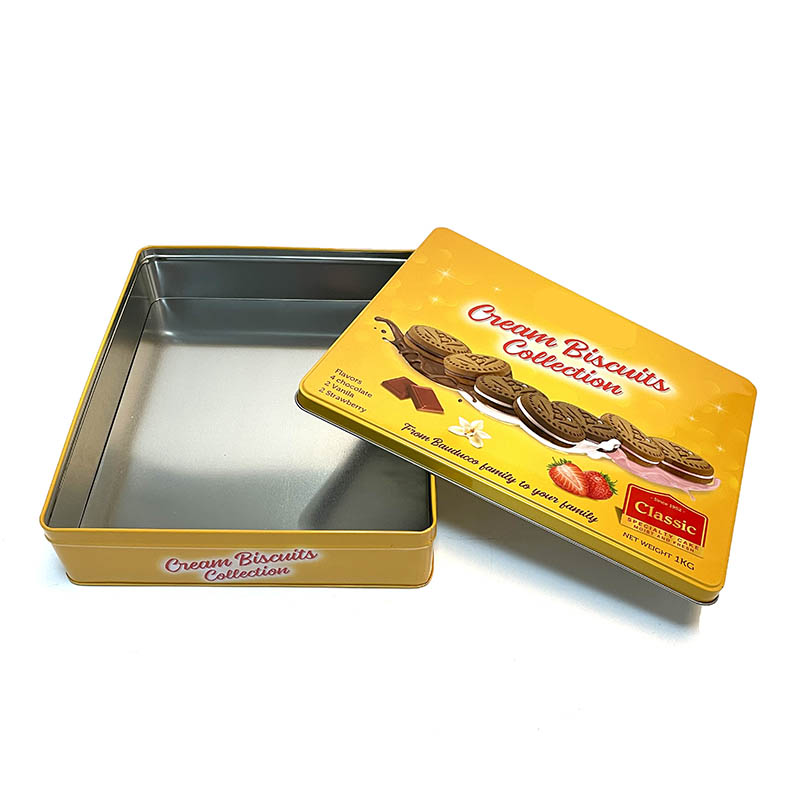
Nossas opções de embalagens de biscoitos são projetadas para funcionar com qualquer tipo de embalagem que você precisar.Técnicas sofisticadas de selagem podem preservar o frescor dos seus biscoitos e permitir um armazenamento mais longo.Além de armazenar biscoitos, as caixas de lata para biscoitos podem ser utilizadas para diversos fins, como guardar frutas secas e nozes.A embalagem de lata para biscoitos é uma escolha higiênica para embalagens de alimentos, pois pode ser facilmente limpa e higienizada.As caixas de lata para biscoitos estão disponíveis em uma ampla variedade de tamanhos e formatos para atender às suas preferências.
CONSULTE MAIS INFORMAÇÃO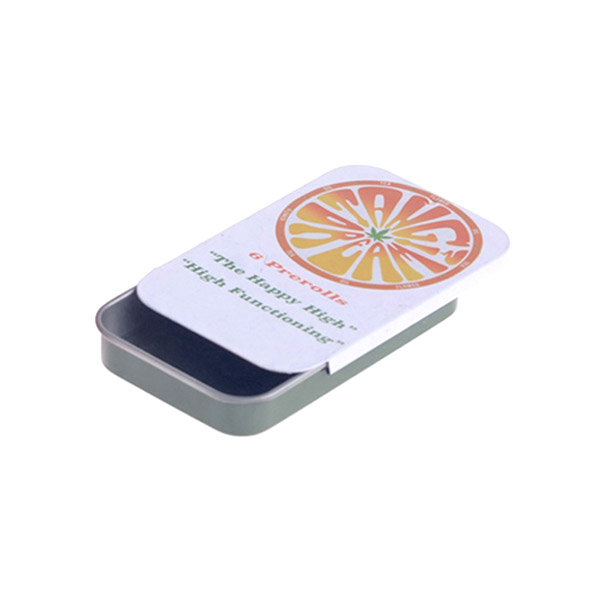
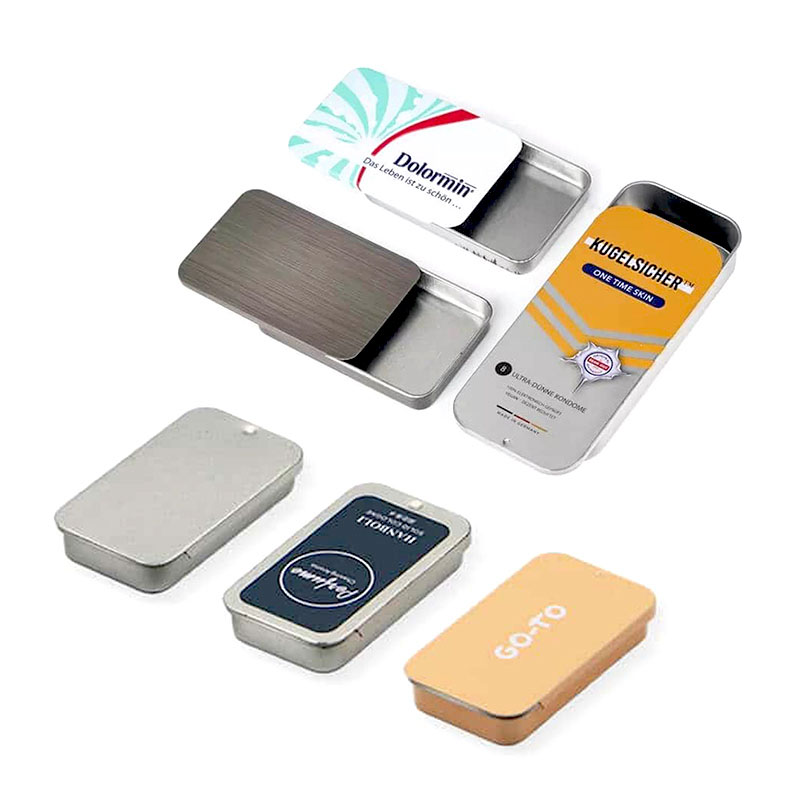
Deslize a caixa de lata, tamanho: 80*50*20mm, é feita por folha de flandres de 0,23mm de espessura, Impressão em cores CMYK 4 ou panton, apoiamos qualquer personalização.
CONSULTE MAIS INFORMAÇÃO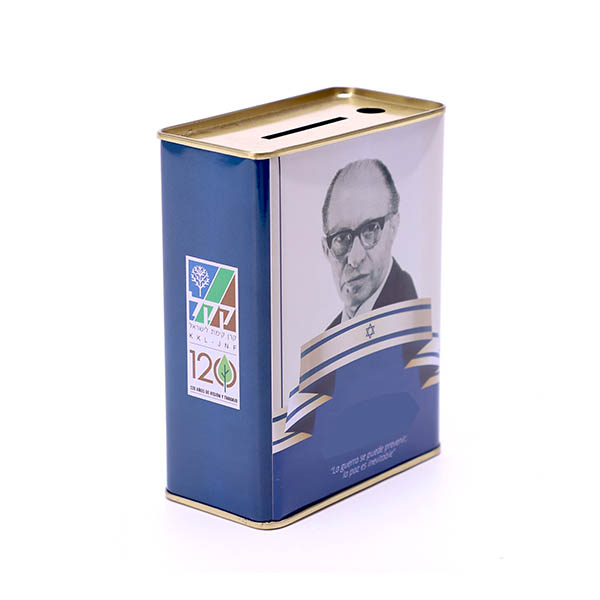
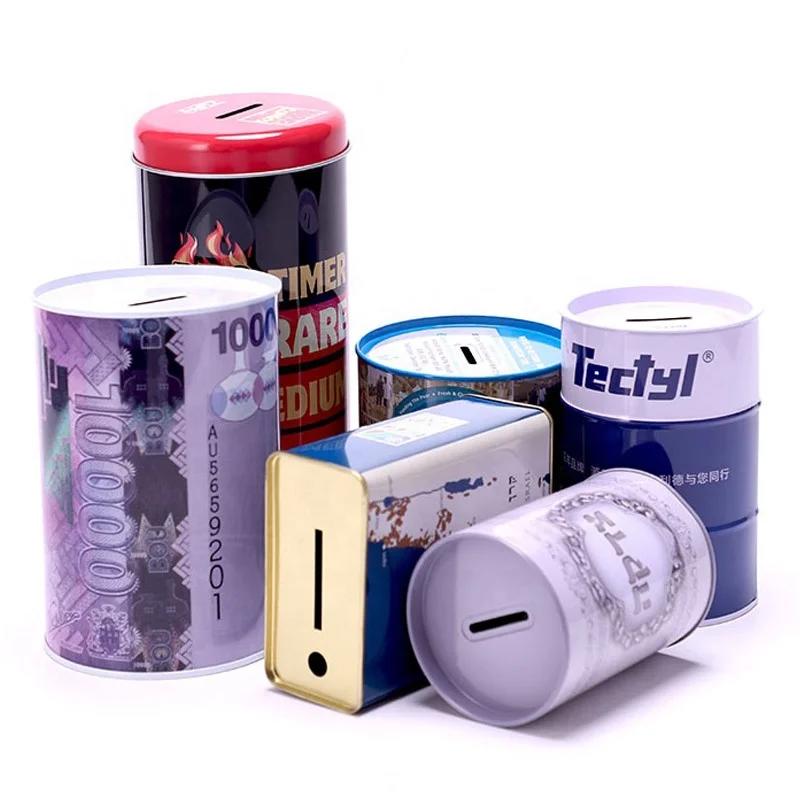
Qualidade duradoura e pode ser utilizada repetidamente.Proteja economias e proteja dinheiro contra roubo.Diversidade de tamanhos e estilos, ajude a descobrir aquele que se adapta às suas necessidades.Usado como presente para crianças e amigos, e ótima forma de promoção comercial de marcas.Fornecedor direto da fábrica confiável, alta qualidade com preço competitivo.
CONSULTE MAIS INFORMAÇÃO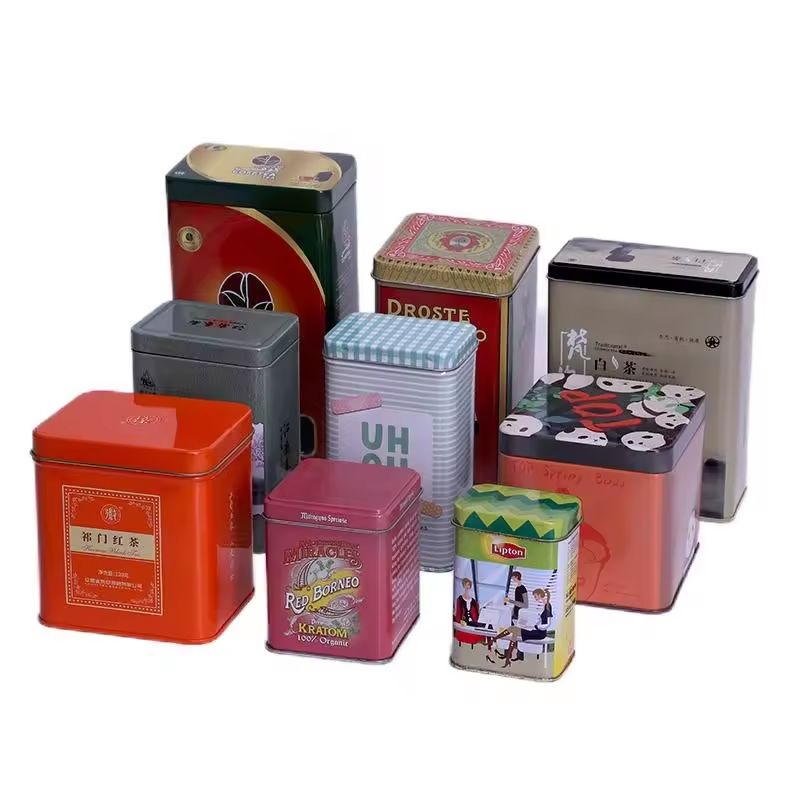
Explore nossas caixas de lata de chá premium, criadas para manter seu chá fresco e saboroso. Com tamanhos e designs personalizáveis, essas latas de alta qualidade combinam funcionalidade com elegância, ideais tanto para entusiastas de chá quanto para marcas.
CONSULTE MAIS INFORMAÇÃO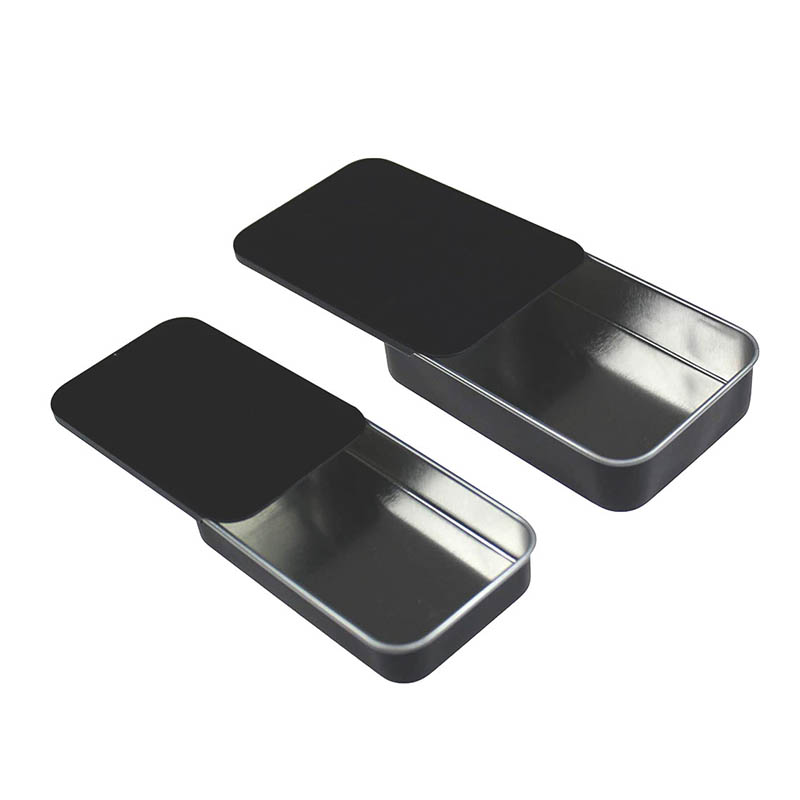
Visualmente atraentes, tornando-os atraentes para os clientes.Fácil de empilhar, tornando-os eficientes em termos de espaço.Resistentes à umidade, tornando-os ideais para armazenar produtos alimentícios.Não tóxicos, tornando-os seguros para produtos alimentícios.Resistentes à corrosão, tornando-os adequados para armazenamento de produtos em ambientes úmidos.
CONSULTE MAIS INFORMAÇÃO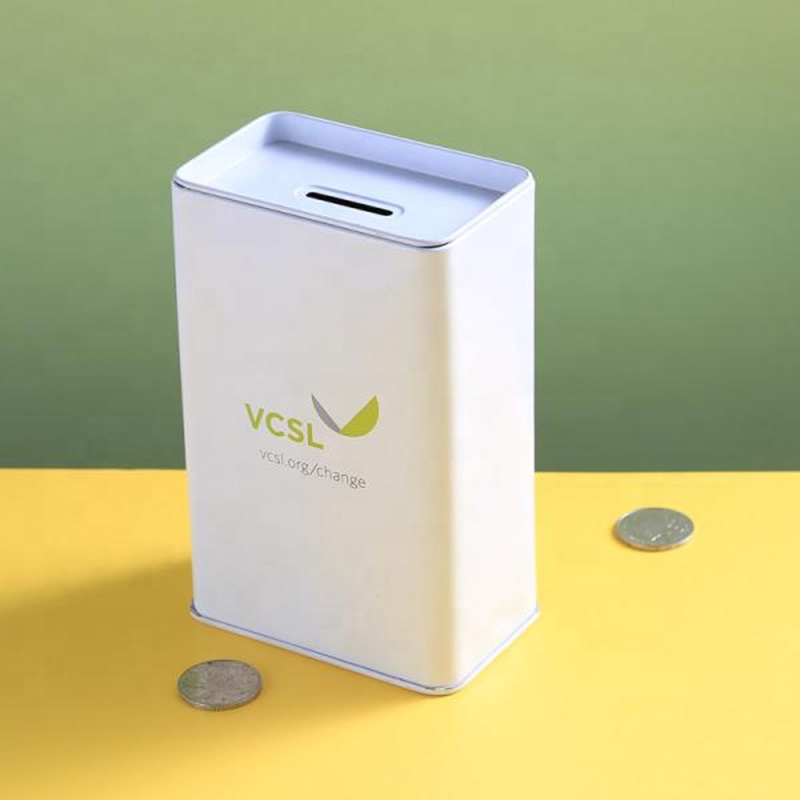
Qualidade duradoura e pode ser utilizada repetidamente.Proteja economias e proteja dinheiro contra roubo.Diversidade de tamanhos e estilos, ajude a descobrir aquele que se adapta às suas necessidades.Usado como presente para crianças e amigos, e ótima forma de promoção comercial de marcas.Fornecedor direto da fábrica confiável, alta qualidade com preço competitivo.
CONSULTE MAIS INFORMAÇÃO
Durável e pode ser reutilizado várias vezes.Hermético, o que ajuda a preservar o sabor e aroma do chá.Variedade de tamanhos e estilos, tornando mais fácil encontrar um que atenda às suas necessidades.Usado para armazenar outros itens como especiarias, ervas e outros chás de folhas soltas.Altamente durável e pode proteger seu chá da umidade, da luz e do ar.
CONSULTE MAIS INFORMAÇÃO
Explore uma ampla gama de soluções de embalagens de estanho, abrangendo uma ampla gama de produtos.O emprego de processos contemporâneos garante uma vedação segura e uma duração de armazenamento prolongada.Parceiros estimados apresentam marcas proeminentes como Mentos, Tic Tac e Altoids.A utilização de folha de flandres de qualidade premium garante uma vedação impecável da lata.Beneficie-se de uma equipe de design profissional, equipamentos de impressão de última geração e uma apresentação impecável.
CONSULTE MAIS INFORMAÇÃO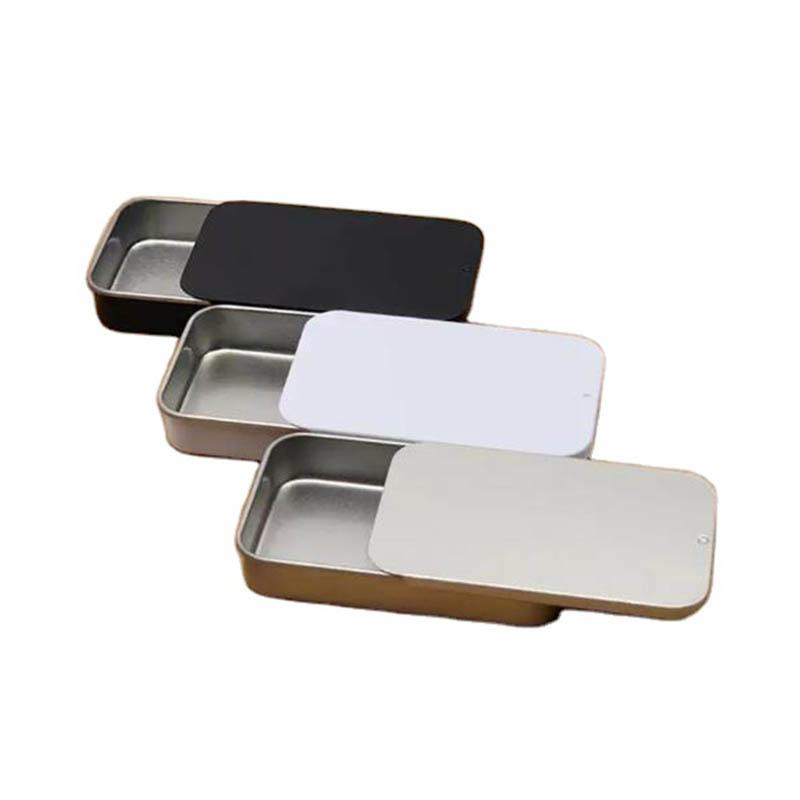
Ótima maneira de mostrar seu produto e destacá-lo da concorrência.Forte e durável, proporcionando excelente proteção para seus produtos.Variedade de tamanhos e formatos, tornando-os adequados para uma ampla gama de produtos.Econômico, o que os torna uma solução de embalagem acessível.Recicláveis, o que os torna uma opção de embalagem ecológica.
CONSULTE MAIS INFORMAÇÃO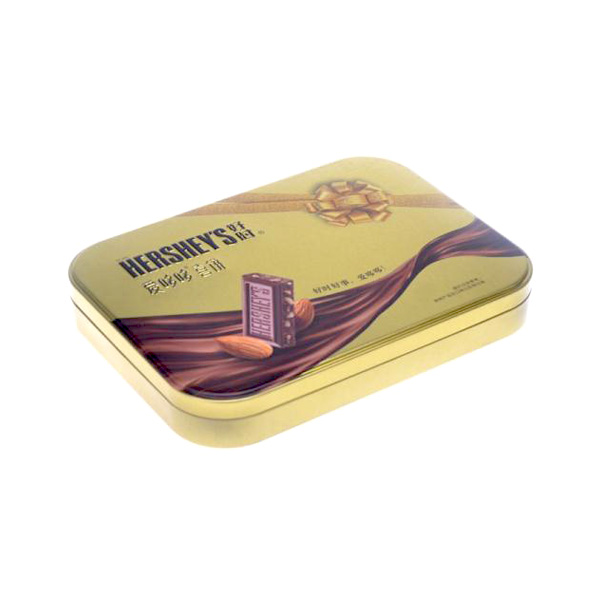
Nossas opções de embalagens de lata abrangem todos os tipos de embalagens, garantindo que você tenha o melhor ajuste.A vedação eficaz e o armazenamento prolongado do seu chocolate podem ser alcançados através de técnicas sofisticadas.Nossa base de clientes fiéis consiste em marcas conhecidas como Oreo, Keebler, Chips Ahoy e Pepperidge Farm.Sua embalagem tem garantia de segurança para contato com alimentos devido ao uso de folha-de-flandres de primeira qualidade.Máquinas profissionais de impressão pantone e 4 cores garantem a excelência das apresentações em caixas de lata.
CONSULTE MAIS INFORMAÇÃO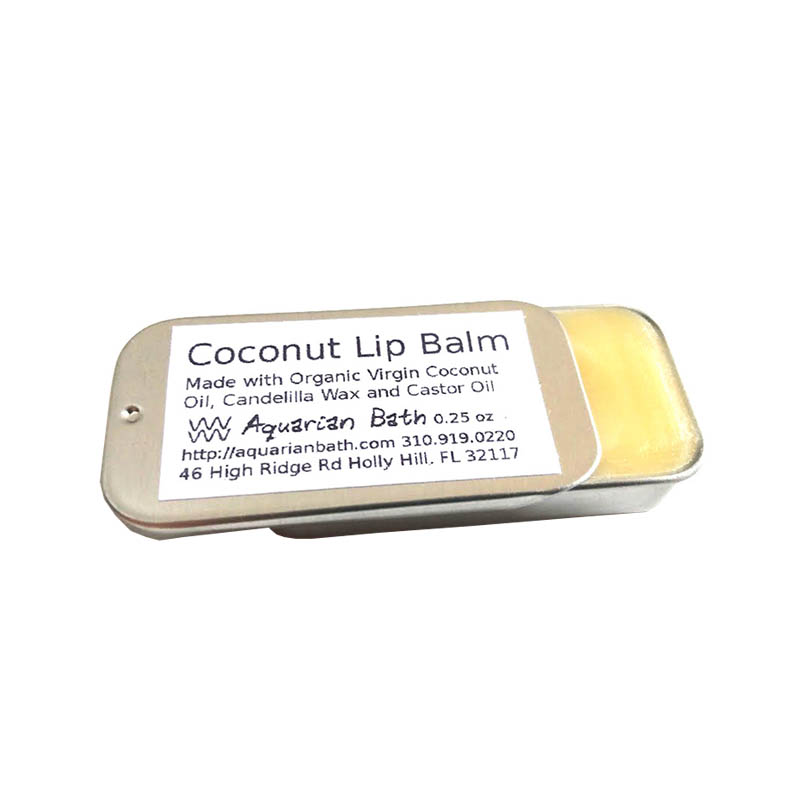
Ecologicamente corretos, pois são feitos de materiais reciclados.Customizável, permitindo que você crie um visual único para o seu produto.Versáteis, pois podem ser usados para diversas finalidades.Ótimos para fins promocionais, pois podem ser impressos com logotipos ou slogans.Solução de embalagem econômica para empresas.
CONSULTE MAIS INFORMAÇÃO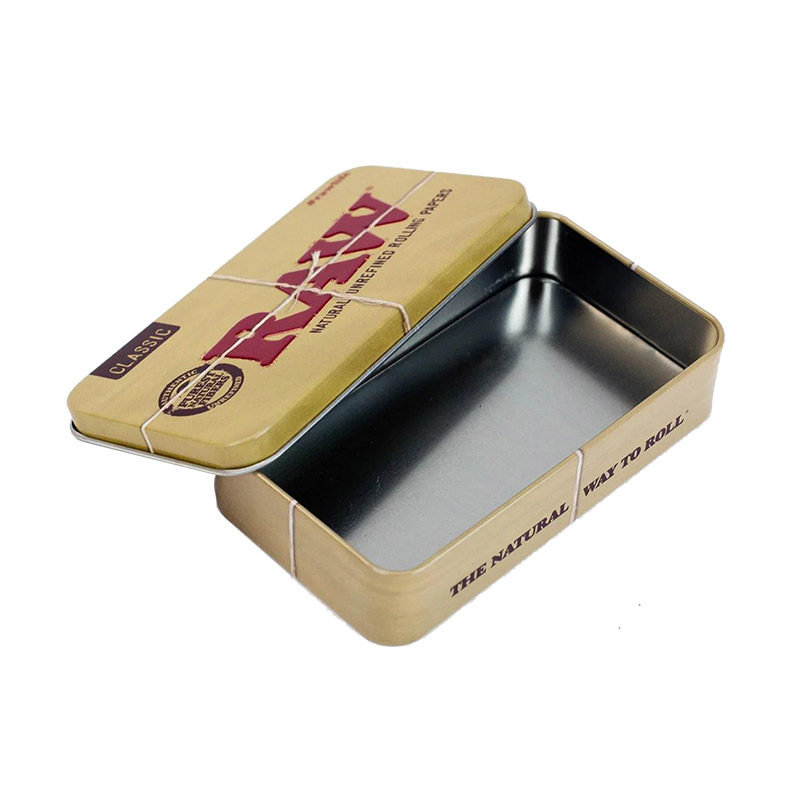
Ampla gama de soluções de embalagens de lata para você escolher, cobrindo toda a gama de produtos.O processo moderno traz uma boa vedação e longo tempo de armazenamento.Parceiros conhecidos incluem marcas líderes como Mentos, Tic Tac, Altoids.O material de folha de flandres de qualidade premium garante que a lata forneça uma vedação perfeita.Equipe de design profissional, equipamento de impressão avançado, apresentação perfeita.
CONSULTE MAIS INFORMAÇÃO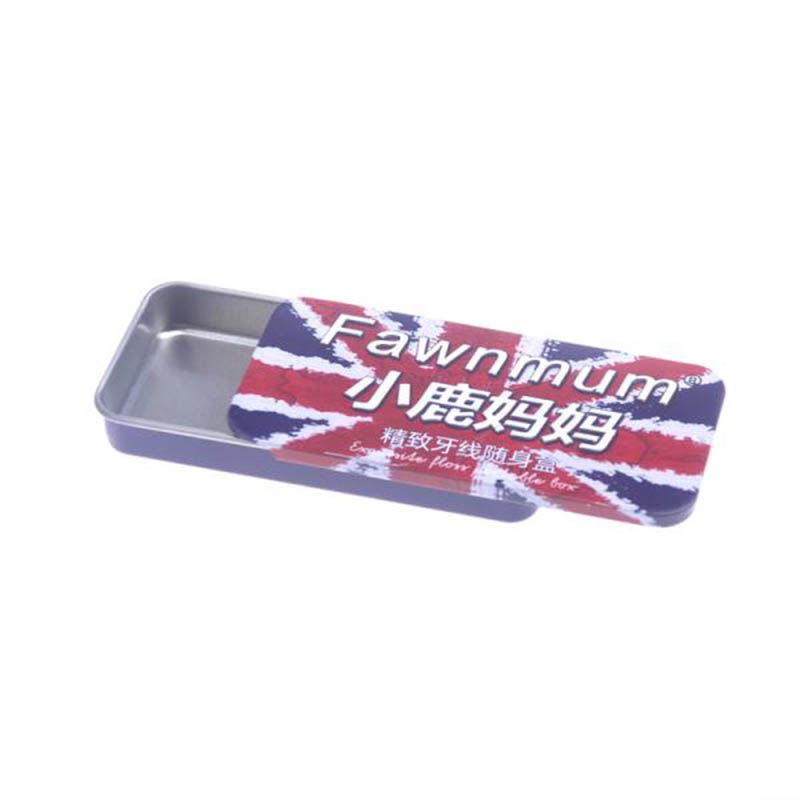
Forneça uma vedação hermética para manter a hortelã fresca por mais tempo.Variedade de tamanhos e estilos, tornando mais fácil encontrar um que atenda às suas necessidades.Feitos de materiais duráveis, tornando-os duradouros e resistentes à ferrugem e corrosão.Ajude a aumentar o valor percebido de seus produtos de menta.Maneira atraente e atraente de ousar seus produtos de doces de menta.
CONSULTE MAIS INFORMAÇÃO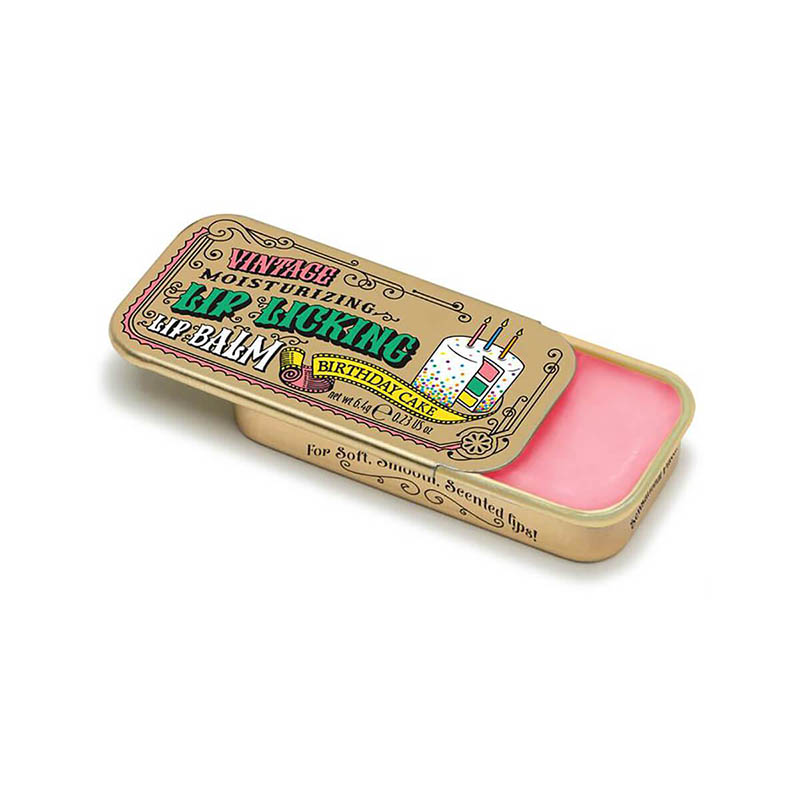
Pode ser personalizado com logotipos, cores e outros elementos de marca.Pode ser usado para armazenar produtos por longos períodos de tempo.Relativamente barato em comparação com outros tipos de embalagem.Resistentes à umidade, tornando-os ideais para armazenar produtos alimentícios.Ótima maneira de agregar valor aos produtos e criar uma experiência única para o cliente.
CONSULTE MAIS INFORMAÇÃO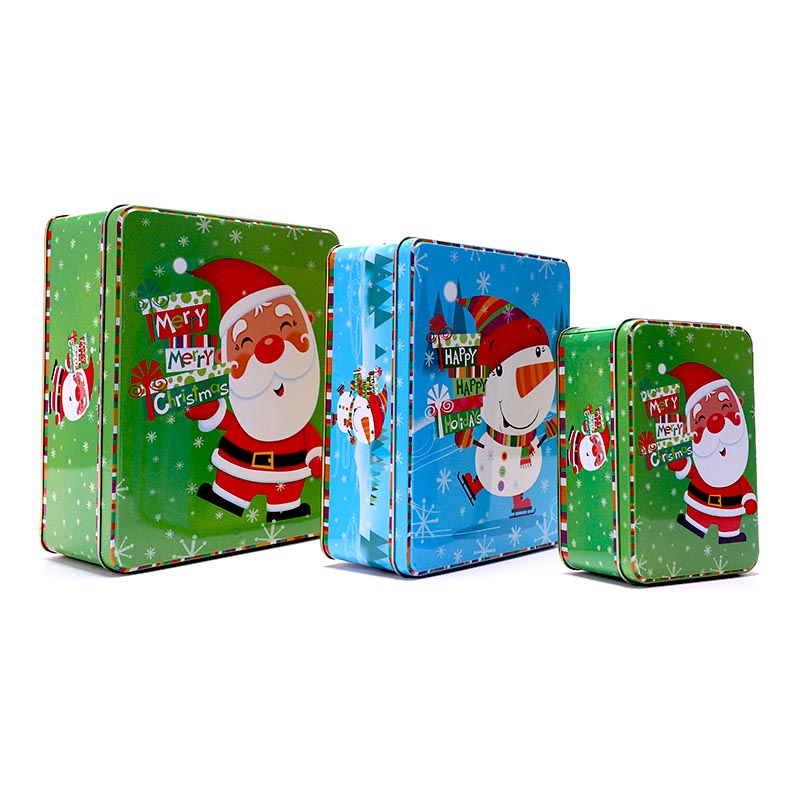
Nossa seleção de opções de embalagens de biscoitos foi projetada para atender a todos os tipos de requisitos de embalagem.Com nossas técnicas de selagem bem-sucedidas, você pode garantir que seus presentes permaneçam frescos e preservados por mais tempo.Oreo, Keebler, Chips Ahoy e Pepperidge Farm são marcas famosas de biscoitos que nos são fiéis.Tenha certeza de que priorizamos a segurança das embalagens de seus presentes, utilizando folha-de-flandres de primeira qualidade, garantindo o mais alto nível de qualidade.Para garantir qualidade superior em apresentações em caixas de lata, empregamos máquinas profissionais Pantone e impressão em 4 cores.
CONSULTE MAIS INFORMAÇÃO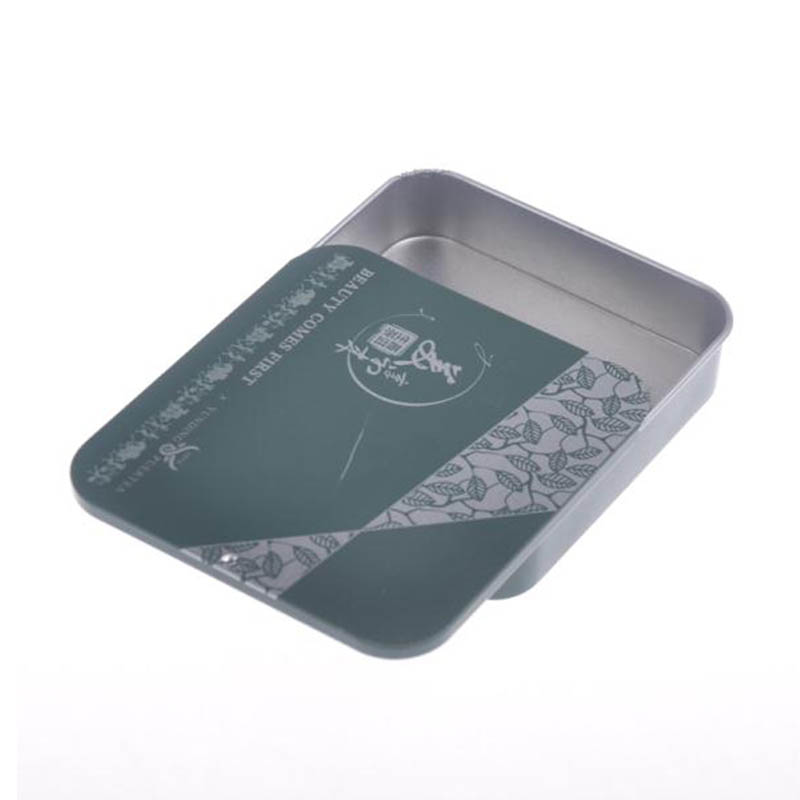
Selo hermético para manter sua hortelã fresca e saborosa.Variedade de tamanhos para acomodar qualquer quantidade de hortelã.Personalizados com seu próprio design ou logotipo, tornando-os uma ótima opção de presente.Feito de materiais resistentes projetados para durar.Projetado para ser empilhável e fácil de guardar em qualquer armário ou despensa.
CONSULTE MAIS INFORMAÇÃO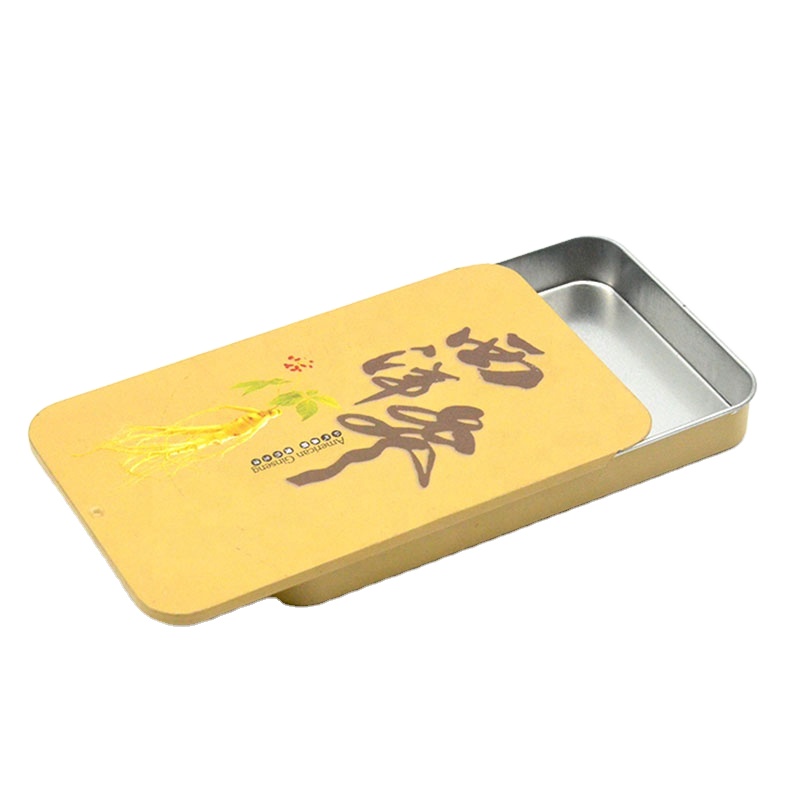
Feito de materiais resistentes e de qualidade alimentar, projetados para durar anos.As latas de hortelã apresentam uma tampa bem ajustada que garante que sua hortelã permaneça fresca e saborosa.Variedade de designs estilosos que certamente impressionarão.Faça ótimos presentes para qualquer ocasião, desde aniversários até feriados.Variedade de tamanhos, tornando mais fácil encontrar o perfeito para suas necessidades.
CONSULTE MAIS INFORMAÇÃO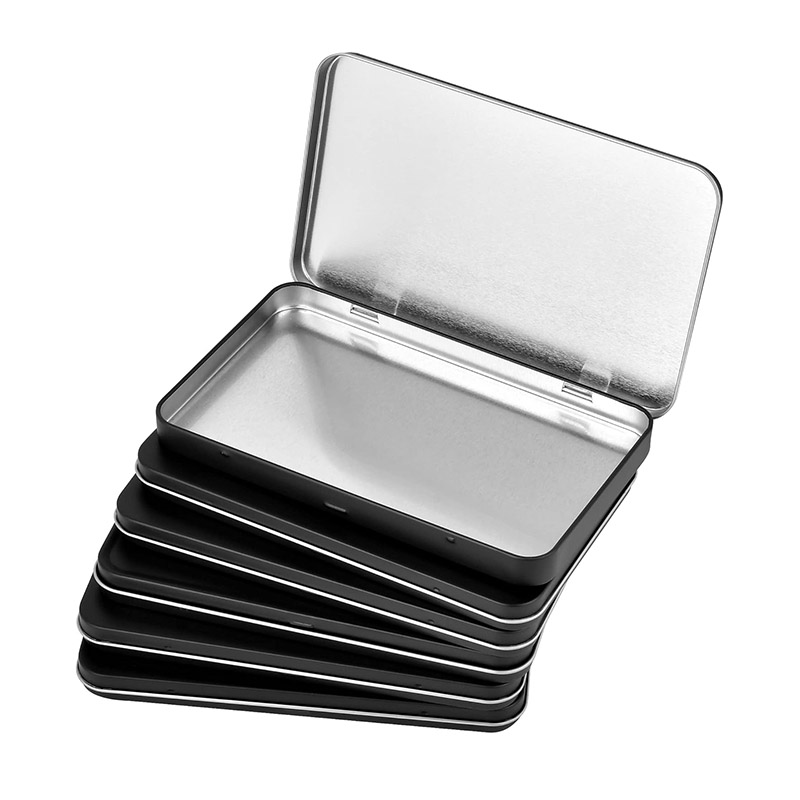
Ampla gama de soluções de embalagens de lata para você escolher, cobrindo toda a gama de produtos.O processo moderno traz uma boa vedação e longo tempo de armazenamento.Parceiros conhecidos incluem marcas líderes como Mentos, Tic Tac, Altoids.O material de folha de flandres de qualidade premium garante que a lata forneça uma vedação perfeita.Equipe de design profissional, equipamento de impressão avançado, apresentação perfeita.
CONSULTE MAIS INFORMAÇÃO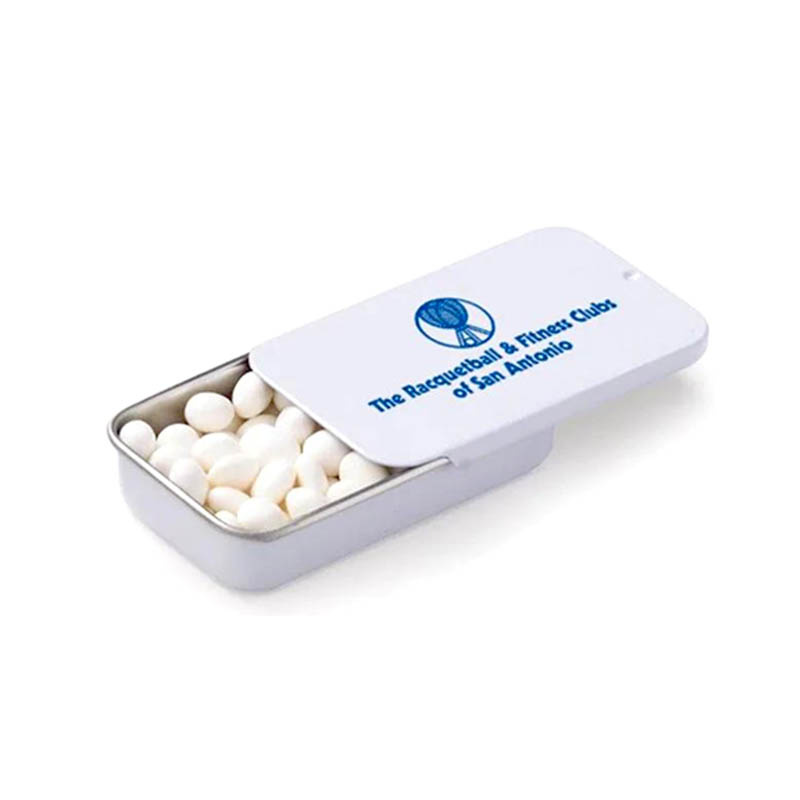
Fáceis de montar e desmontar, o que os torna excelentes para soluções de armazenamento temporário.Empilháveis, o que os torna ótimos para maximizar o espaço de armazenamento.Ótimo para expor itens em lojas de varejo, pois podem ser facilmente abertos e fechados.Ótima maneira de armazenar e organizar documentos, pois são seguros e fáceis de etiquetar.Perfeitos para presentear, pois podem ser personalizados com desenho ou logotipo.
CONSULTE MAIS INFORMAÇÃO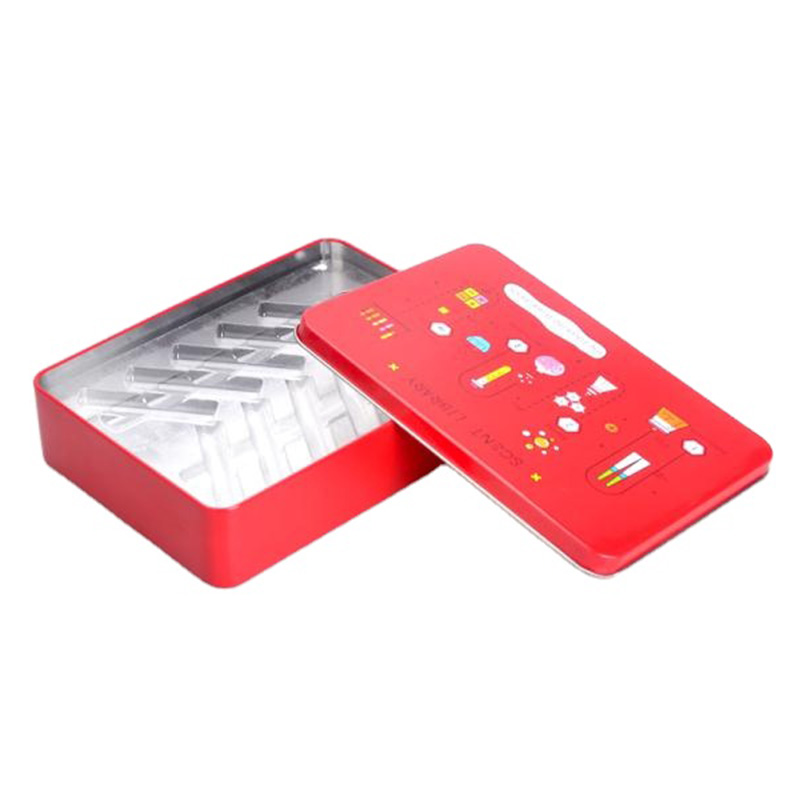
Não importa o tipo de embalagem que você precisa, temos opções de embalagens de biscoitos adequadas.Seus cookies podem ser armazenados por longos períodos de tempo com técnicas de vedação bem-sucedidas.Oreo, Keebler, Chips Ahoy e Pepperidge Farm são marcas famosas de biscoitos que nos são fiéis.A utilização de folha de flandres de primeira qualidade garante a segurança da embalagem dos seus biscoitos.Pantone profissional e máquinas de impressão em 4 cores são usadas para garantir a qualidade superior das apresentações em caixas de lata.
CONSULTE MAIS INFORMAÇÃO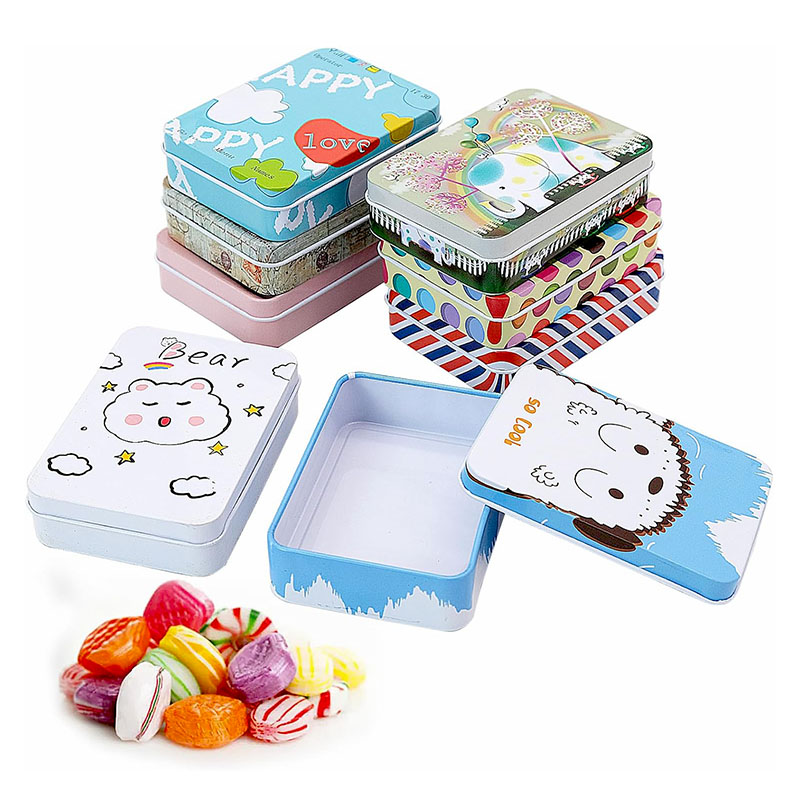
Esses contêineres são projetados para empilhamento sem esforço, simplificando o armazenamento e a organização.Esses recipientes não são apenas reutilizáveis, mas também versáteis, servindo tanto como armazenamento quanto como decoração.Com uma variedade de tamanhos, cores e designs, você pode descobrir o ajuste ideal para suas necessidades.O design simples da tampa articulada permite fácil abertura e fechamento.Fabricados em folha de flandres durável, esses recipientes são construídos para suportar o uso diário.
CONSULTE MAIS INFORMAÇÃO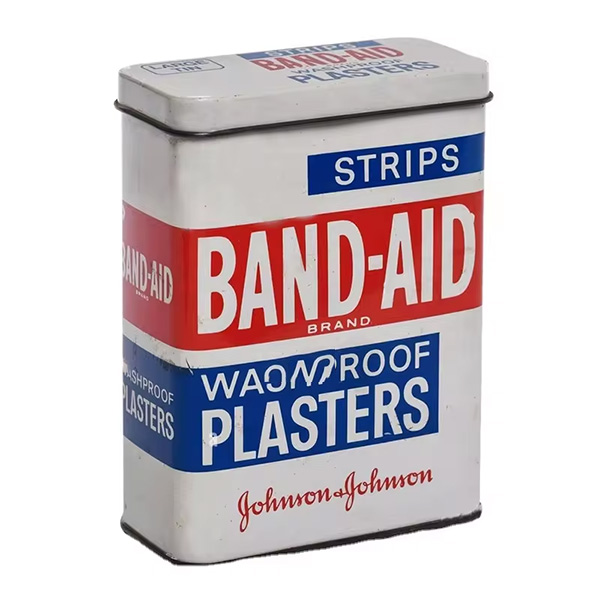
Fornece variedade de tamanhos para armazenar qualquer quantidade de hortelã e doces.Estrutura hermética e selada para manter sua hortelã fresca e saborosa.Acessível e com ótimo custo-benefício.Material de folha de flandres reciclável que os torna uma ótima escolha ecológica.Dispositivos avançados de impressão em cores panton trazem designs mais modernos e valiosos.
CONSULTE MAIS INFORMAÇÃO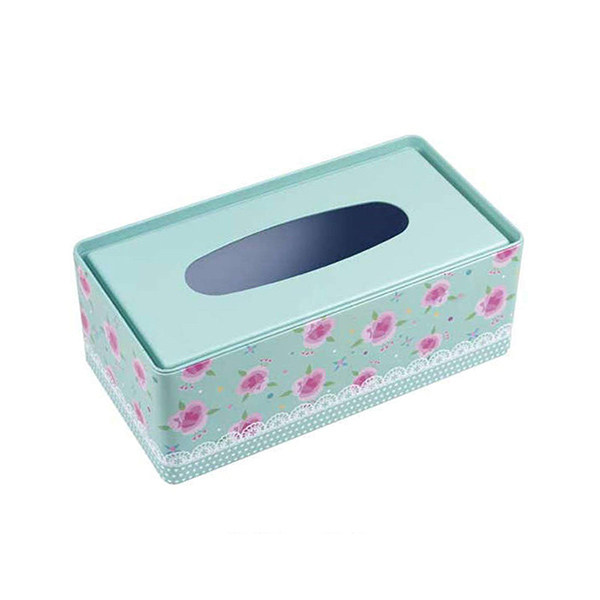
Nossa seleção de opções de embalagens de biscoitos foi projetada para atender a todos os tipos de requisitos de embalagem.Com nossas técnicas de selagem bem-sucedidas, você pode garantir que seus presentes permaneçam frescos e preservados por mais tempo.Oreo, Keebler, Chips Ahoy e Pepperidge Farm são marcas famosas de biscoitos que nos são fiéis.Tenha certeza de que priorizamos a segurança das embalagens de seus presentes, utilizando folha-de-flandres de primeira qualidade, garantindo o mais alto nível de qualidade.Para garantir qualidade superior em apresentações em caixas de lata, empregamos máquinas profissionais Pantone e impressão em 4 cores.
CONSULTE MAIS INFORMAÇÃO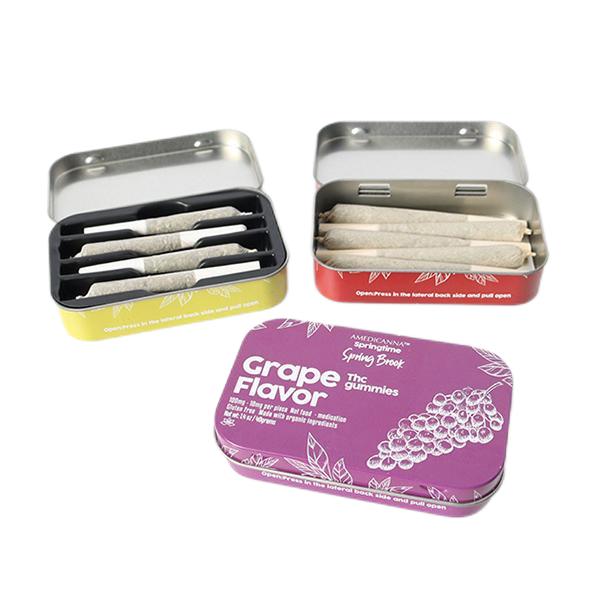
Oferecemos uma variedade de opções de embalagens de cigarros para melhorar a qualidade.As latas de cigarro são uma ótima maneira de armazená-lo e mantê-lo fresco por mais tempo.Marlboro, Camel, Winston, essas marcas globais são nossos parceiros corporativos de longo prazo.O material de folha-de-flandres de qualidade alimentar é resistente à corrosão e mantém o frescor do cigarro.Equipamento de impressão da mais alta qualidade para exibir perfeitamente o design de sua embalagem de lata.
CONSULTE MAIS INFORMAÇÃO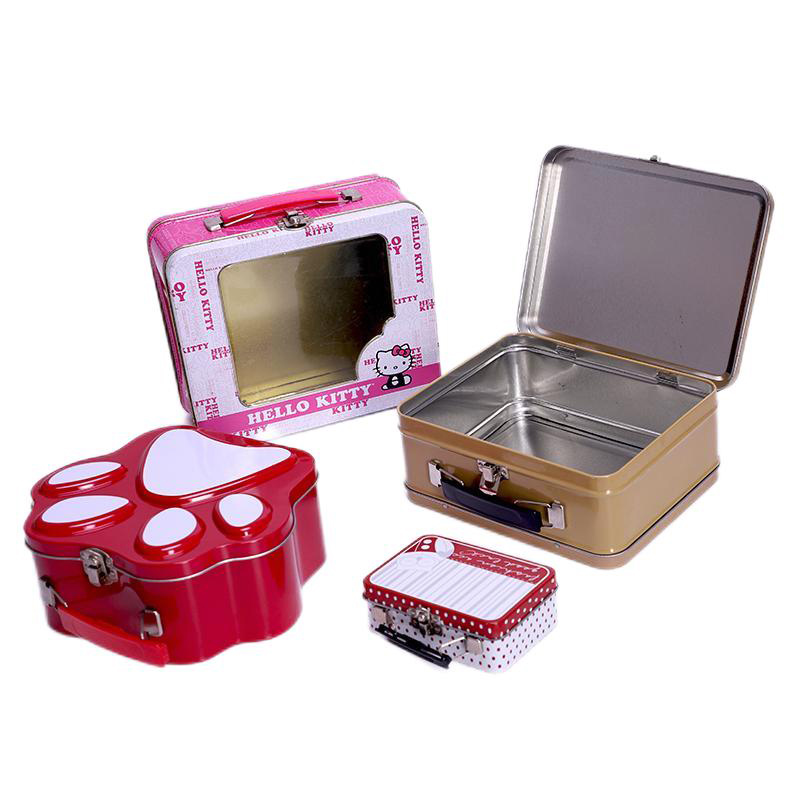
Recipiente de caixa de metal com alça de plástico, tamanho: 196*170*80mm, é feito de material de folha de flandres de 0,23 mm de espessura, cor CMYK 4 ou impressão panton, apoiamos qualquer personalização.
CONSULTE MAIS INFORMAÇÃO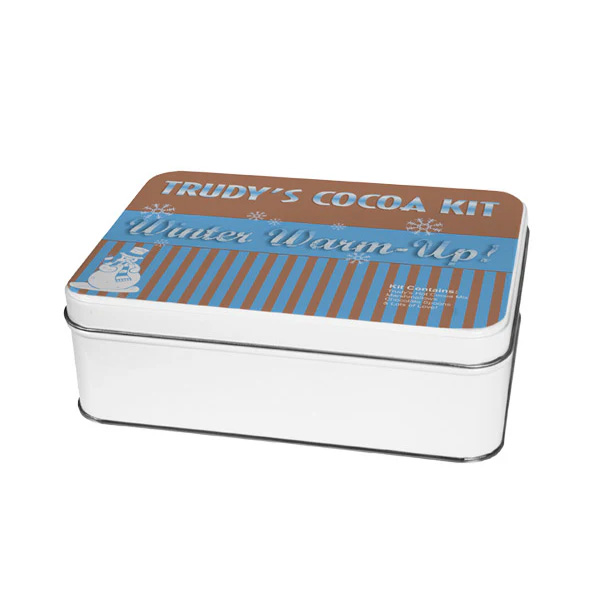
Não importa o tipo de embalagem que você precisa, nós temos a solução perfeita para você.Técnicas avançadas garantem uma vedação eficaz para seus produtos, permitindo recursos estendidos de armazenamento.Marcas de alimentos renomadas como Oreo, Keebler, Chips Ahoy e Pepperidge Farm estão entre nossos clientes fiéis.Fique tranquilo, pois seus produtos serão embalados em folha-de-flandres de primeira qualidade, segura para contato direto com alimentos.Máquinas profissionais de impressão Pantone e 4 cores garantem apresentações em caixas de lata de qualidade superior para seus produtos.
CONSULTE MAIS INFORMAÇÃO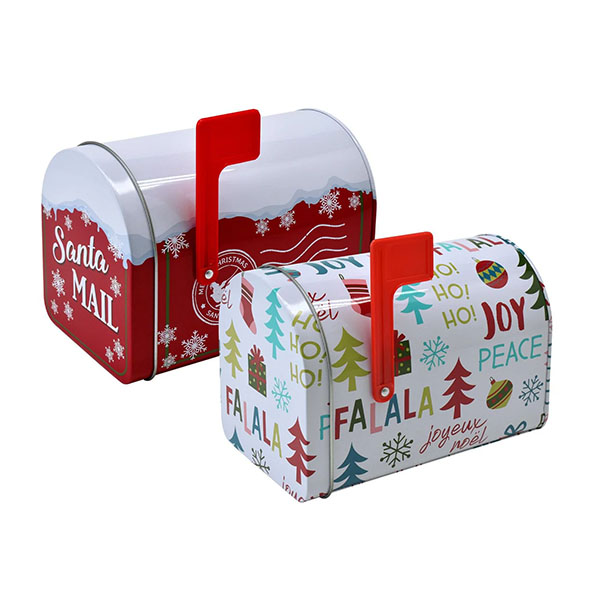
Temos a solução de embalagem certa esperando por você, adaptada às suas necessidades.Nossos métodos de ponta garantem que seus produtos sejam selados com segurança, permitindo um armazenamento prolongado.Alguns dos maiores nomes da alimentação, incluindo Oreo, Keebler, Chips Ahoy e Pepperidge Farm, confiam seus negócios a nós.Você pode ter certeza de que seus produtos serão embalados em folha de flandres de primeira linha, segura para contato com alimentos.A tecnologia de última geração Pantone e impressão em 4 cores garantem que suas caixas de lata se destaquem com qualidade incomparável nas apresentações de seus produtos.
CONSULTE MAIS INFORMAÇÃO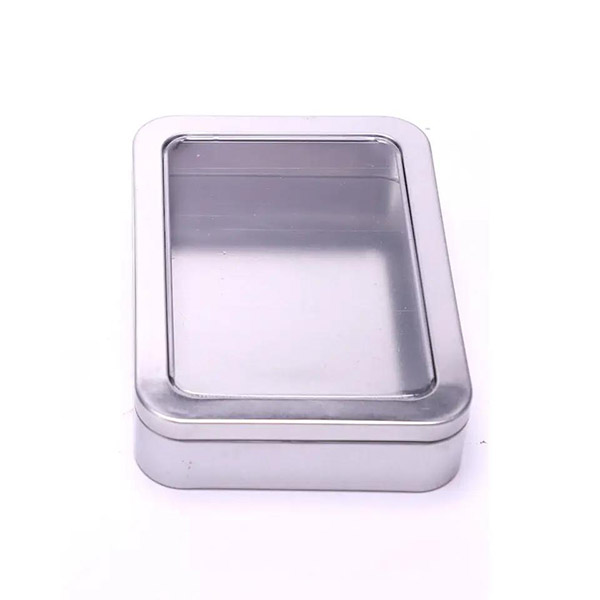
Caixa de lata de metal com janela, tamanho: 127*93*30mm, é feita por folha de flandres de 0,23mm de espessura, Impressão em cores CMYK 4 ou panton, apoiamos qualquer personalização.
CONSULTE MAIS INFORMAÇÃO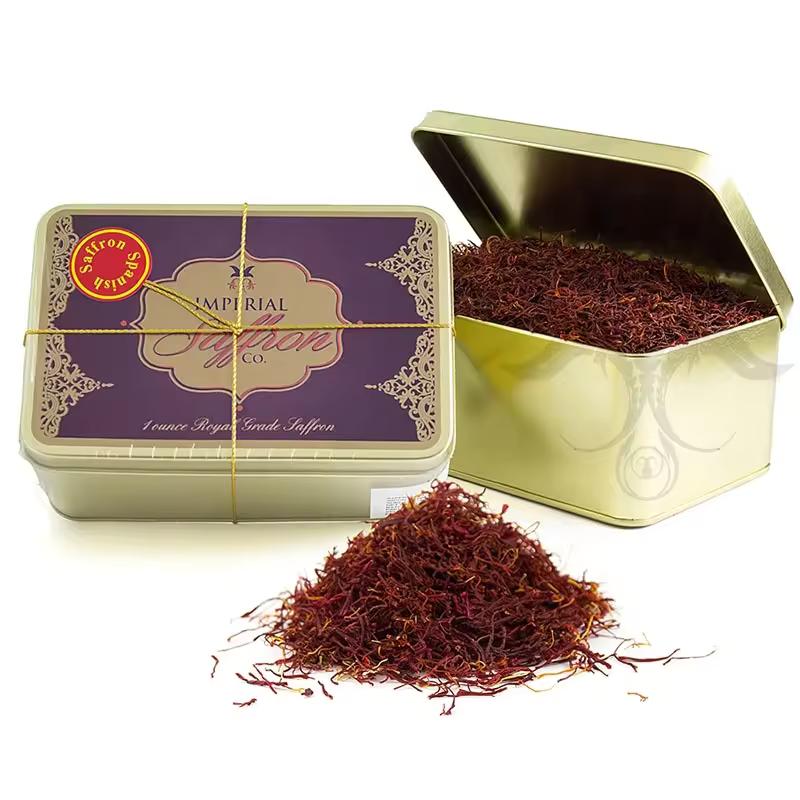
Ampla gama de soluções de embalagens de lata para você escolher, cobrindo toda a gama de produtos.O processo moderno traz uma boa vedação e longo tempo de armazenamento.Parceiros conhecidos incluem marcas líderes como Mentos, Tic Tac, Altoids.O material de folha de flandres de qualidade premium garante que a lata forneça uma vedação perfeita.Equipe de design profissional, equipamento de impressão avançado, apresentação perfeita.
CONSULTE MAIS INFORMAÇÃO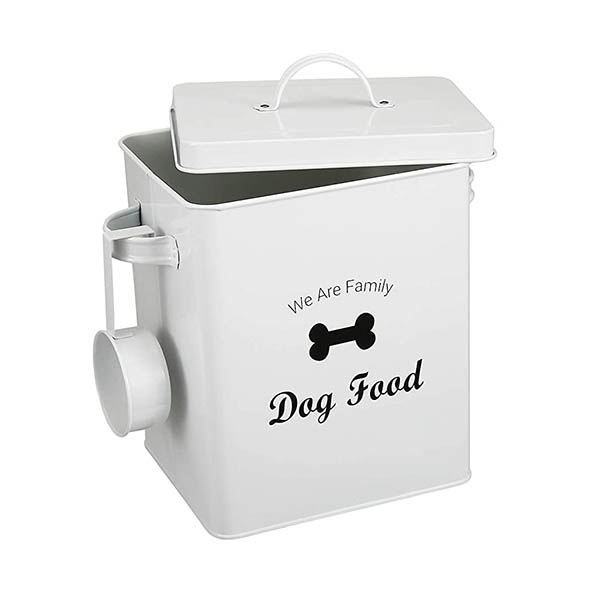
Recipiente de armazenamento de latas para alimentos para animais de estimação, tamanho: 180 * 155 * 230 mm, feito por chapa galvanizada de 0,35 mm de espessura, Impressão em cores CMYK 4 ou panton, apoiamos qualquer personalização.
CONSULTE MAIS INFORMAÇÃO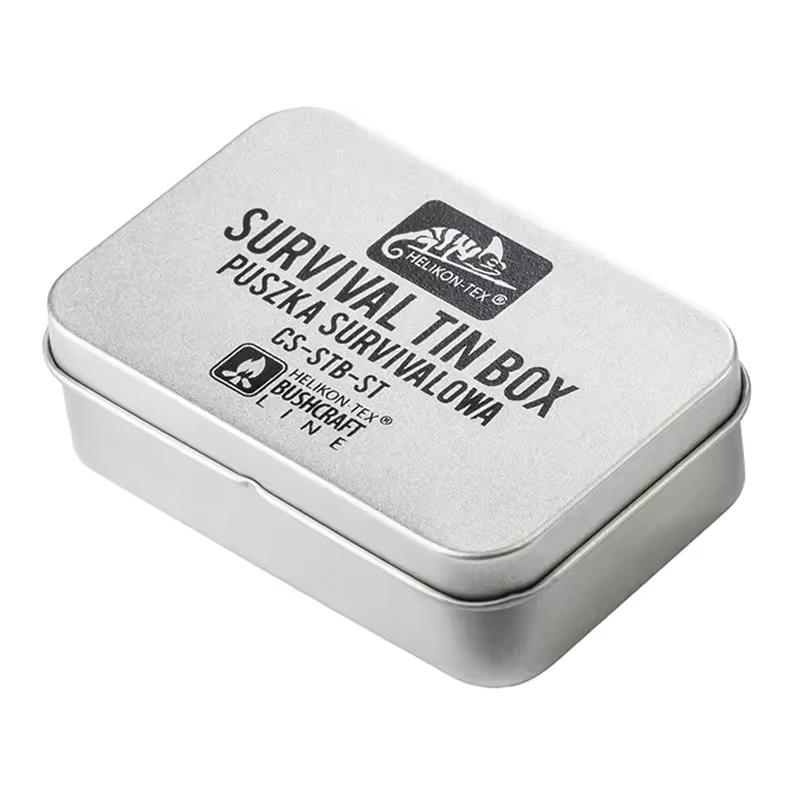
Projetados para fácil empilhamento, esses contêineres facilitam o armazenamento e a organização.Estes recipientes não são apenas reutilizáveis, mas também versáteis, servindo tanto como armazenamento como decoração.Com uma variedade de tamanhos, cores e designs, você pode encontrar o ajuste perfeito para suas necessidades.O design simples da tampa articulada permite fácil abertura e fechamento.Feitos de folha de flandres durável, esses recipientes são feitos para durar e resistir ao uso diário.
CONSULTE MAIS INFORMAÇÃO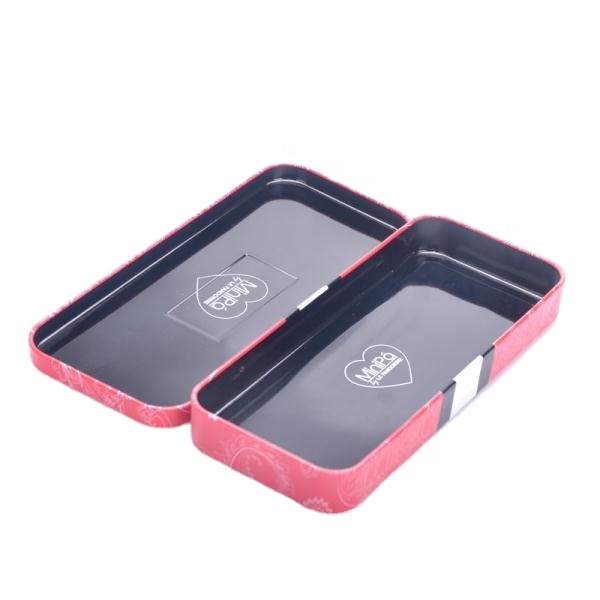
Porta-lápis de metal, tamanho: 195*85*25mm, é feito de folha-de-flandres de 0,23mm de espessura, Impressão em cores CMYK 4 ou panton, apoiamos qualquer personalização.
CONSULTE MAIS INFORMAÇÃO
Explore uma ampla gama de soluções de embalagens de estanho projetadas para atender a uma ampla gama de produtos.Nossos processos contemporâneos garantem uma vedação segura e um tempo de armazenamento prolongado.Faça parceria com marcas conhecidas como Mentos, Tic Tac e Altoids.O uso de material de folha-de-flandres de qualidade premium garante uma vedação perfeita para sua embalagem de estanho.Beneficie-se de uma equipe de design profissional, equipamentos de impressão de última geração e padrões de apresentação impecáveis.
CONSULTE MAIS INFORMAÇÃO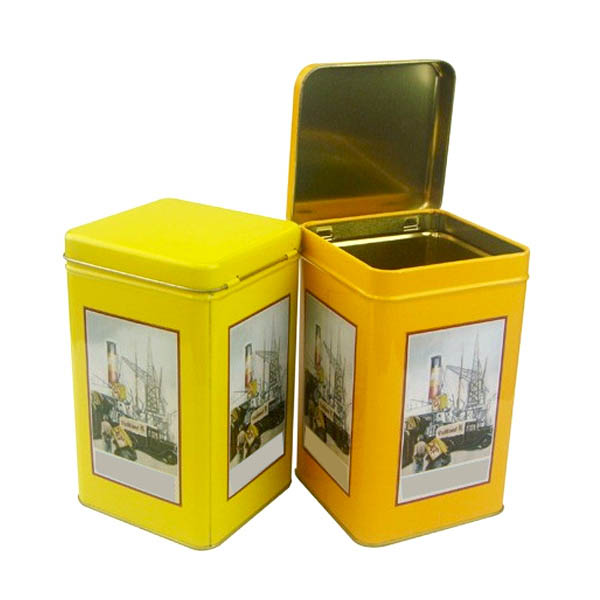
Caixa de lata de metal com tampa articulada, tamanho: 102*102*170mm, é feito de material de folha de flandres de 0,23 mm de espessura, cor CMYK 4 e impressão panton, apoiamos qualquer personalização.
CONSULTE MAIS INFORMAÇÃO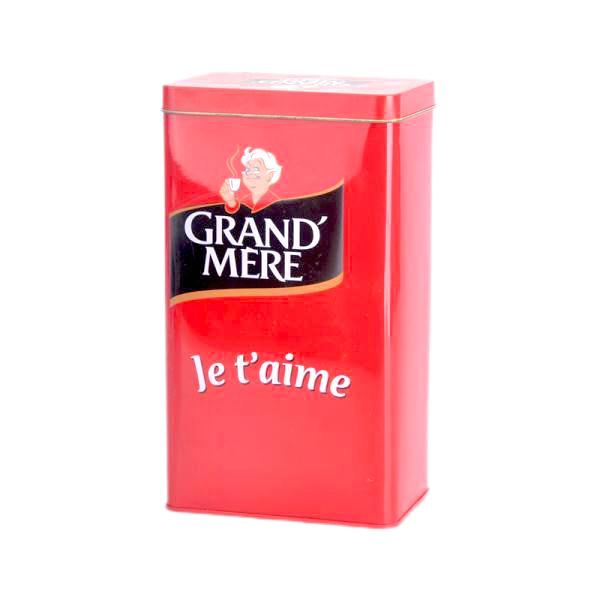
Disponibilizamos uma série de soluções de embalagem de latas de chá para você escolher.O processo aprimorado fornecerá uma vedação eficaz e armazenamento de longo prazo para o seu chá.As principais marcas de chá, como Lipton, Twinings e Tetley, são nossos clientes fiéis.A embalagem do chá é feita com folha de flandres de qualidade alimentar aprovada pela FDA para garantir a máxima segurança.Equipamento de impressão profissional para apresentar perfeitamente o design da embalagem da sua lata de chá.
CONSULTE MAIS INFORMAÇÃO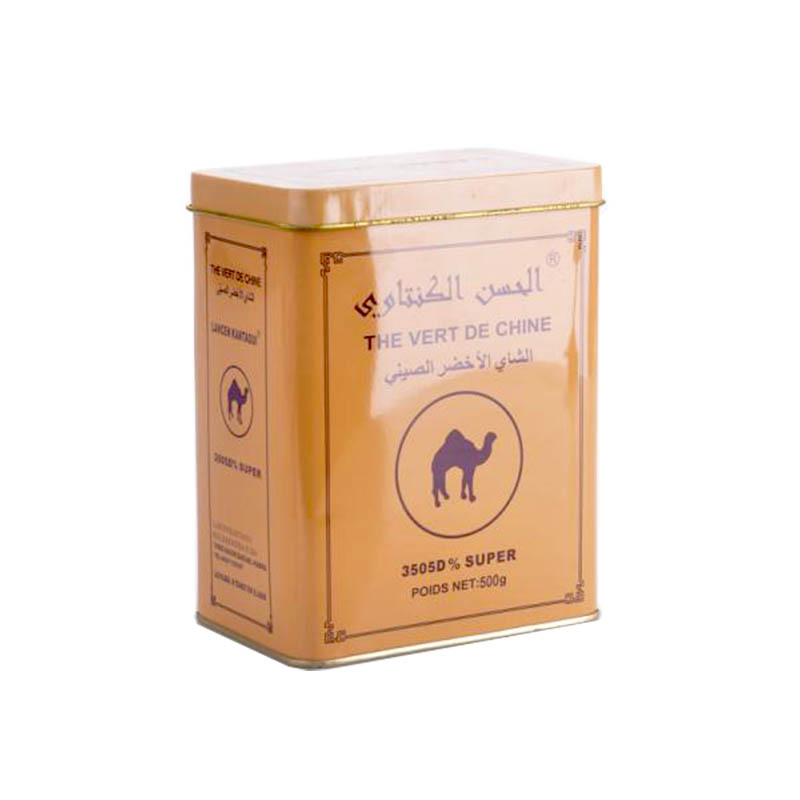
Caixa retangular de lata de chá de café, tamanho: 85*85*150mm, é feito de material de folha de flandres de 0,23 mm de espessura, cor CMYK 4 e impressão panton, apoiamos qualquer personalização.
CONSULTE MAIS INFORMAÇÃO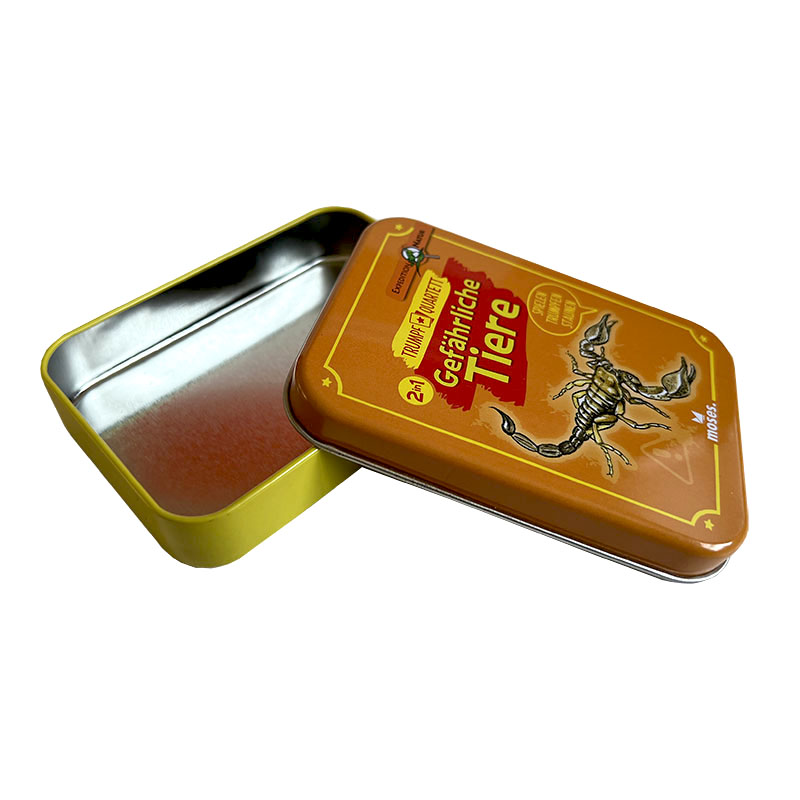
Caixa pequena de caixa de metal, tamanho: 95*65*19mmmm, é feito de material de folha de flandres de 0,23 mm de espessura, cor CMYK 4 e impressão panton, apoiamos qualquer personalização.
CONSULTE MAIS INFORMAÇÃO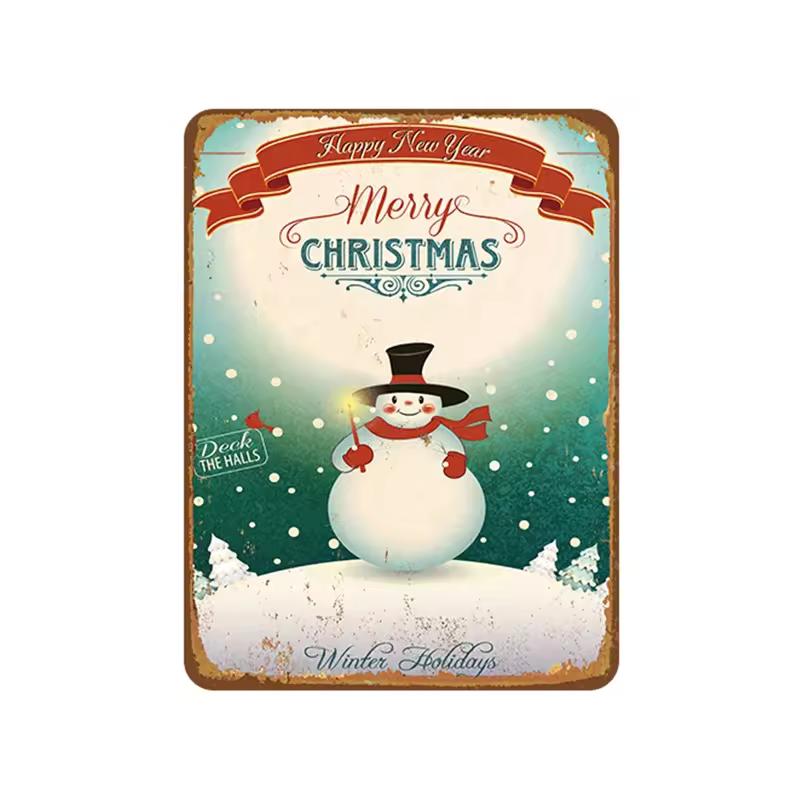
Fabricado em folha de flandres de qualidade alimentar, adaptável a diversas aplicações.Resistente e protegido contra umidade e luz, preserva por muito tempo o conteúdo.Oferece vários tamanhos e estilos, facilmente adequados à sua demanda diversificada.Personalizável com logotipos e designs, atende às necessidades individuais ou da marca de embalagem.Reutilizados para armazenamento ou como artigos decorativos, recicláveis e ecológicos.
CONSULTE MAIS INFORMAÇÃO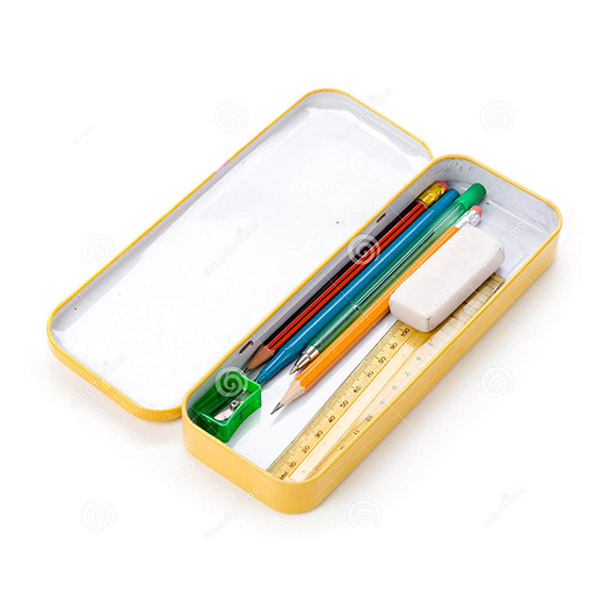
Construído a partir de materiais robustos de folha-de-flandres, garantindo sua durabilidade e longevidade.Proteja seus artigos de papelaria com uma barreira segura, protegendo-os contra danos ou perdas.Grande variedade de tamanhos e estilos, incluindo suportes e estojos, atendem a todas as suas necessidades e preferências específicas.Com máquina de impressão a cores de última geração, acrescentando um toque personalizado e cativante a cada um.Garantimos que você receberá produtos de primeira linha, de qualidade excepcional a um preço altamente competitivo.
CONSULTE MAIS INFORMAÇÃO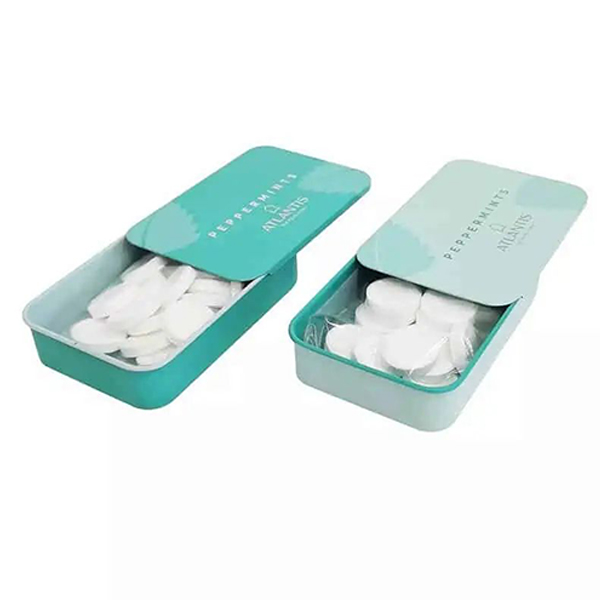
Fáceis de montar e desmontar, o que os torna excelentes para soluções de armazenamento temporário.Empilháveis, o que os torna ótimos para maximizar o espaço de armazenamento.Ótimo para expor itens em lojas de varejo, pois podem ser facilmente abertos e fechados.Ótima maneira de armazenar e organizar documentos, pois são seguros e fáceis de etiquetar.Perfeitos para presentear, pois podem ser personalizados com desenho ou logotipo.
CONSULTE MAIS INFORMAÇÃO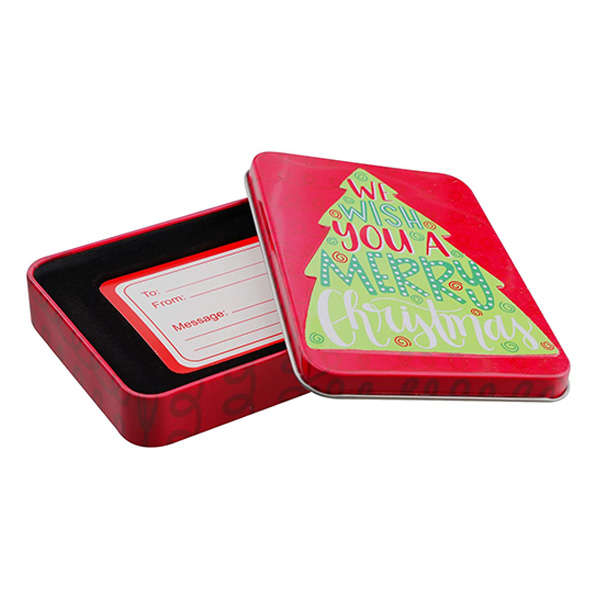
Projetados para fácil empilhamento, esses contêineres facilitam o armazenamento e a organização.Estes recipientes não são apenas reutilizáveis, mas também versáteis, servindo tanto como armazenamento como decoração.Com uma variedade de tamanhos, cores e designs, você pode encontrar o ajuste perfeito para suas necessidades.O design simples da tampa articulada permite fácil abertura e fechamento.Feitos de folha de flandres durável, esses recipientes são feitos para durar e resistir ao uso diário.
CONSULTE MAIS INFORMAÇÃO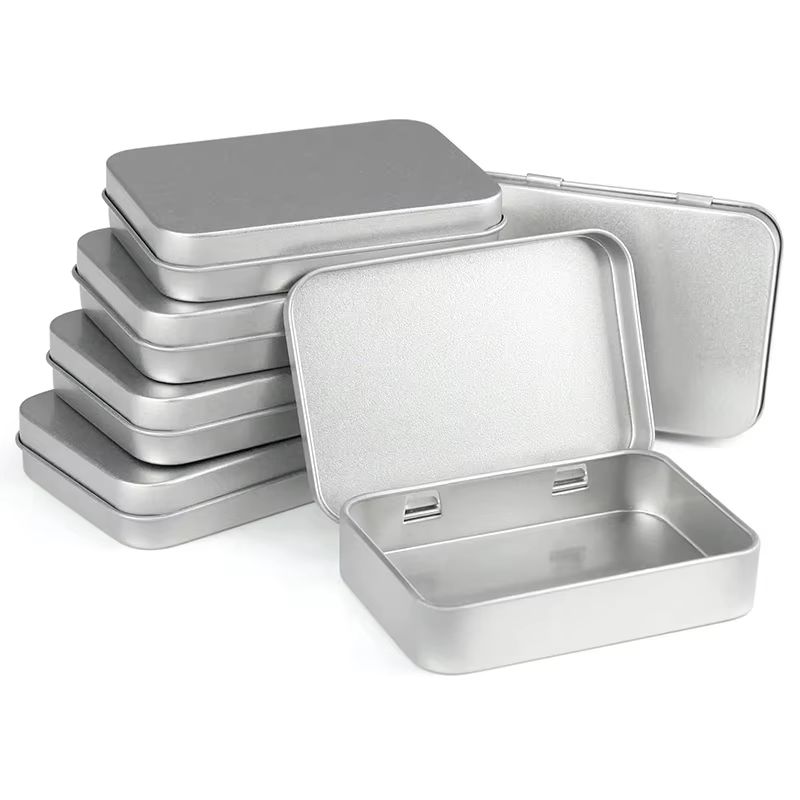
Uma caixa de lata de sabonete oferece uma solução de embalagem durável e ecológica para armazenar e proteger o sabonete. Sua construção em metal resistente garante que o sabonete permaneça seco e intacto, enquanto seu design compacto o torna perfeito para viagens. Com opções personalizáveis e diversos estilos, acrescenta um toque elegante à sua rotina de cuidados pessoais.
CONSULTE MAIS INFORMAÇÃO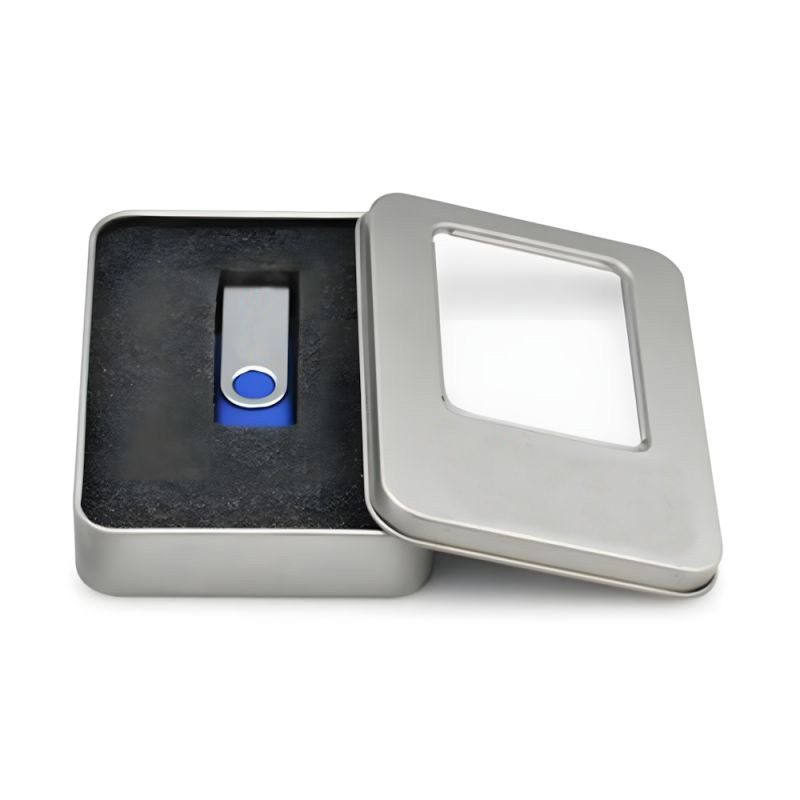
Uma caixa de metal USB é uma solução de embalagem durável e elegante, perfeita para armazenar e proteger suas unidades USB. Sua construção metálica resistente protege o USB contra danos, garantindo sua longevidade e confiabilidade. O design compacto facilita o transporte e o armazenamento, seja em casa ou em trânsito. Disponível em vários estilos e opções personalizáveis, a caixa metálica USB adiciona um toque profissional e elegante aos seus acessórios tecnológicos, tornando-a uma excelente escolha para uso pessoal e corporativo.
CONSULTE MAIS INFORMAÇÃO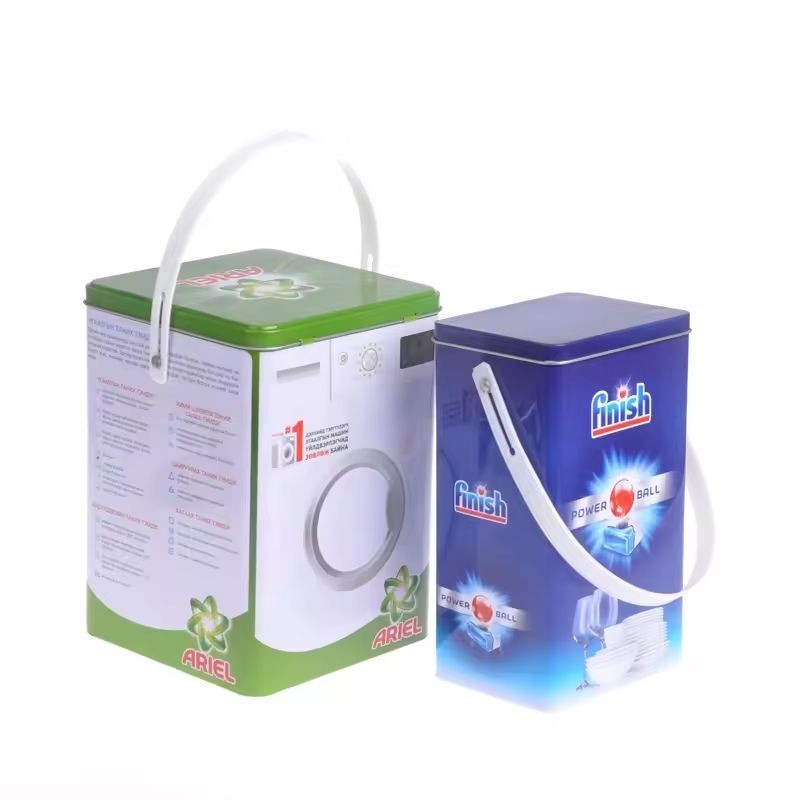
Uma caixa de lata para sabão em pó é uma escolha de embalagem durável e ecológica, perfeita para armazenar e preservar detergente. A sua construção metálica robusta mantém o detergente seco e protegido da humidade, garantindo uma frescura duradoura. O design compacto torna-o conveniente para armazenamento e viagens. Disponível em diversos designs com opções personalizáveis, acrescenta um toque de sofisticação à sua rotina de lavagem.
CONSULTE MAIS INFORMAÇÃO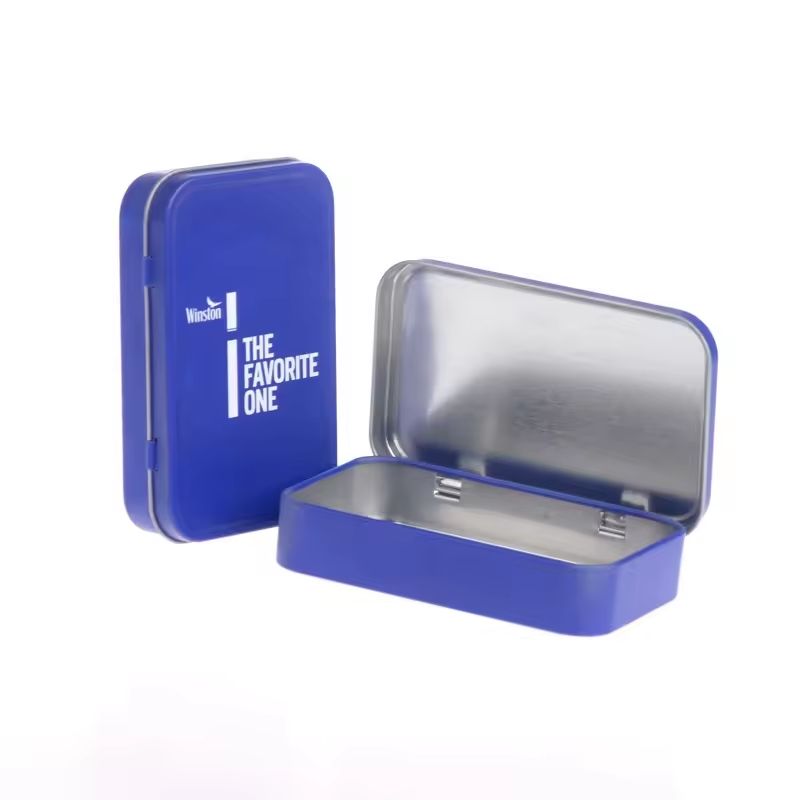
Uma caixa de metal para preservativos é uma solução de embalagem discreta e durável, ideal para manter os preservativos seguros e intactos. Sua construção metálica robusta protege o conteúdo contra danos, enquanto o design compacto facilita o transporte. Disponível em vários estilos e opções personalizáveis, adiciona um toque de sofisticação aos seus itens essenciais de cuidados pessoais.
CONSULTE MAIS INFORMAÇÃO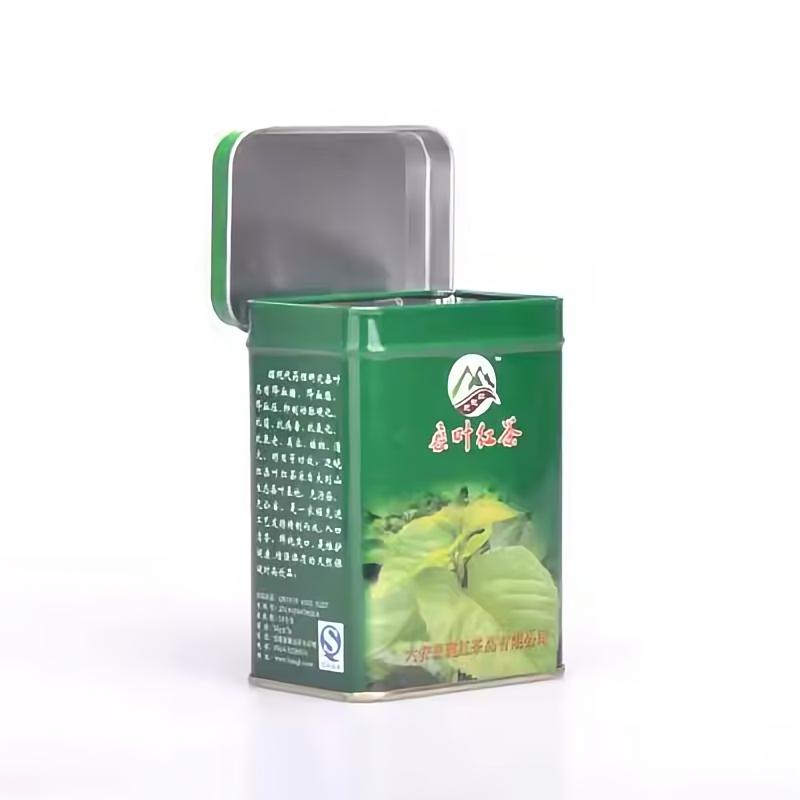
Explore nossos recipientes de lata de chá premium, criados para manter o frescor e o sabor do seu chá. Disponíveis em tamanhos e designs personalizáveis, essas latas de alta qualidade combinam funcionalidade com elegância, tornando-as a escolha ideal para entusiastas e marcas de chá.
CONSULTE MAIS INFORMAÇÃO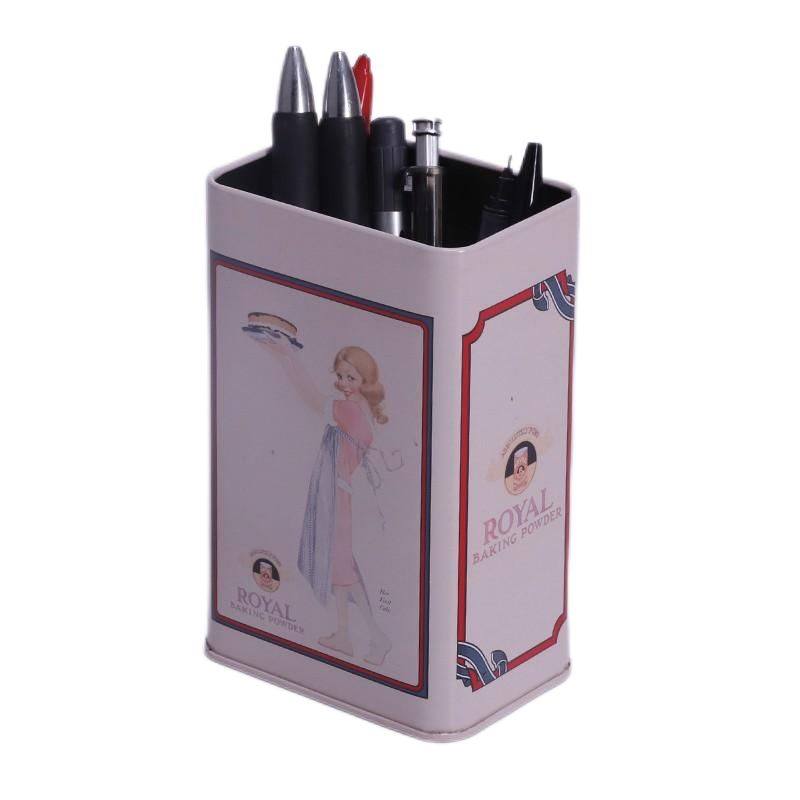
Mantenha sua mesa organizada com nosso porta-lápis de lata durável. Projetado tanto para função quanto para moda, este suporte é perfeito para organizar canetas, lápis e muito mais. Sua construção robusta em estanho garante longevidade, enquanto suas opções personalizáveis permitem combinar com qualquer decoração.
CONSULTE MAIS INFORMAÇÃO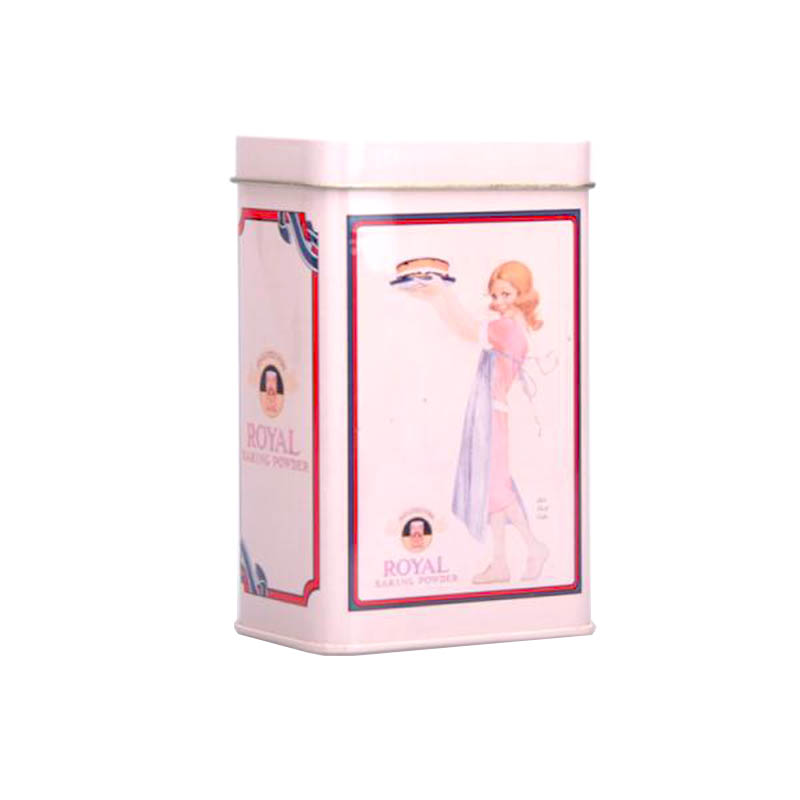
Oferecemos uma variedade de soluções de embalagens de latas de chá para você escolher.Processos avançados podem proporcionar ao seu chá uma boa vedação e armazenamento por longo tempo.Lipton, Twinings e Tetley, essas famosas marcas de chá são nossos clientes fiéis.A folha de flandres de qualidade alimentar aprovada pela FDA pode garantir a segurança absoluta de sua embalagem de chá.Equipamentos profissionais de impressão panton e 4 cores garantem uma apresentação de alta qualidade das caixas de lata.
CONSULTE MAIS INFORMAÇÃO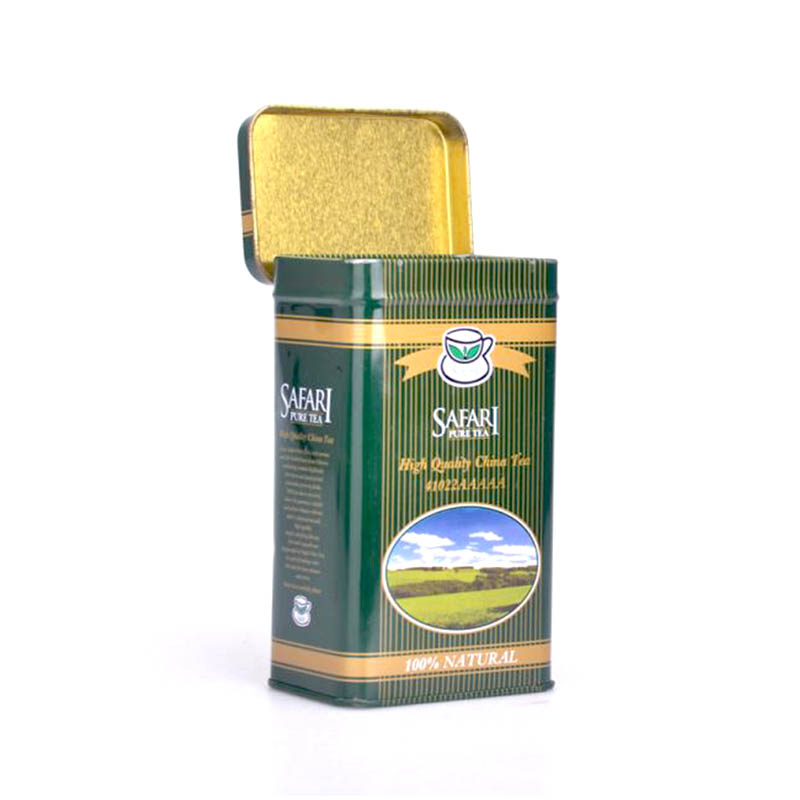
Folha-de-flandres reciclável, tornando-os uma ótima escolha ecológica.Ótimo para presentear, pois podem ser personalizados com etiquetas ou adesivos.Variedade de cores e designs, tornando-os atraentes e decorativos.O suporte de estrutura altamente hermética e selada armazena o chá de folhas soltas, mantendo-o protegido da umidade e do ar.Logotipo e designs personalizáveis que são uma forma atraente de armazenar e ousar chá.
CONSULTE MAIS INFORMAÇÃO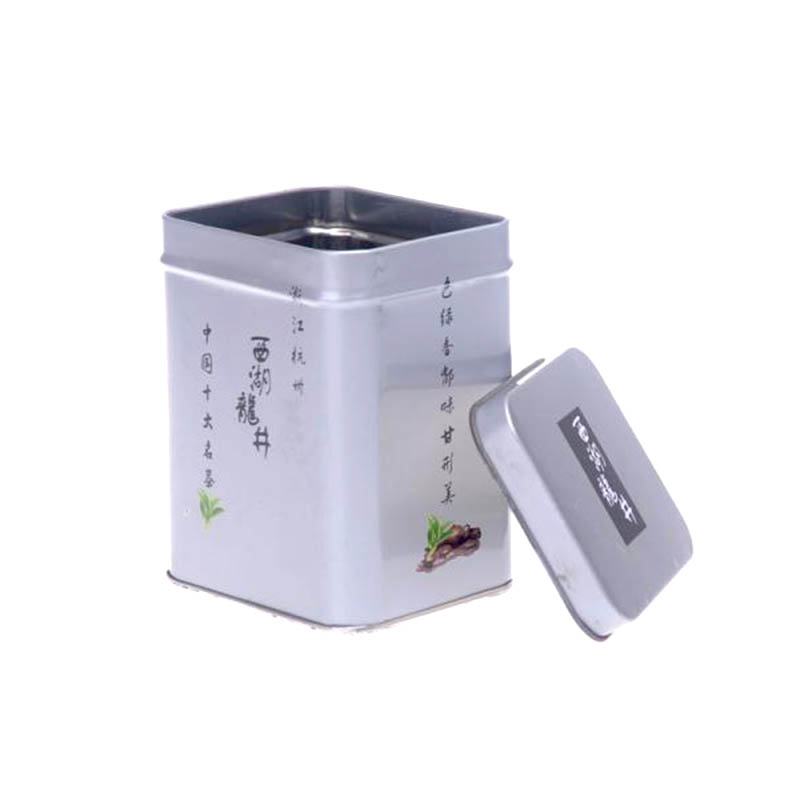
Suportes personalizados com seu próprio design ou logotipo, para que você possa torná-los únicos.Variedade de tamanhos, facilitando a localização do adequado às suas necessidades.Cooperação de longo prazo com marcas famosas como Lipton, Twinings e Tetley.Folha de flandres com certificado de qualidade alimentar que mantém seu chá e café seguros.Suporte técnico de impressão preciso, personalizado com seu próprio design ou logotipo, o que pode torná-los únicos.
CONSULTE MAIS INFORMAÇÃO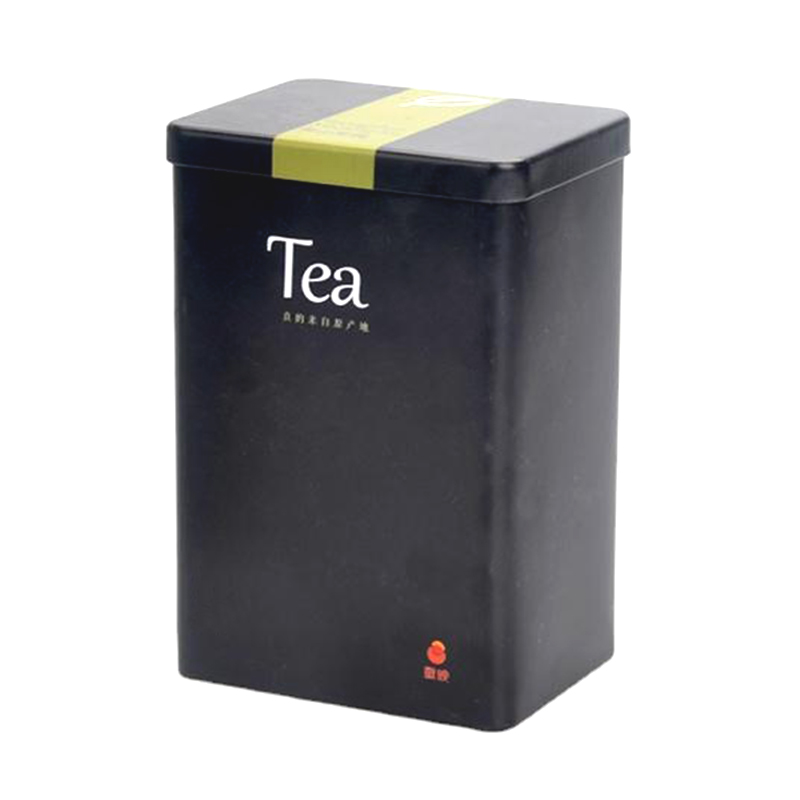
Durável e pode suportar os rigores do transporte e manuseio.Atraente e atraente, o que o torna uma ótima opção para presentear.Econômico e pode ajudá-lo a economizar dinheiro em custos.Feito de materiais resistentes e de qualidade alimentar, projetados para durar anos.Vários designs estilosos que certamente impressionarão.
CONSULTE MAIS INFORMAÇÃO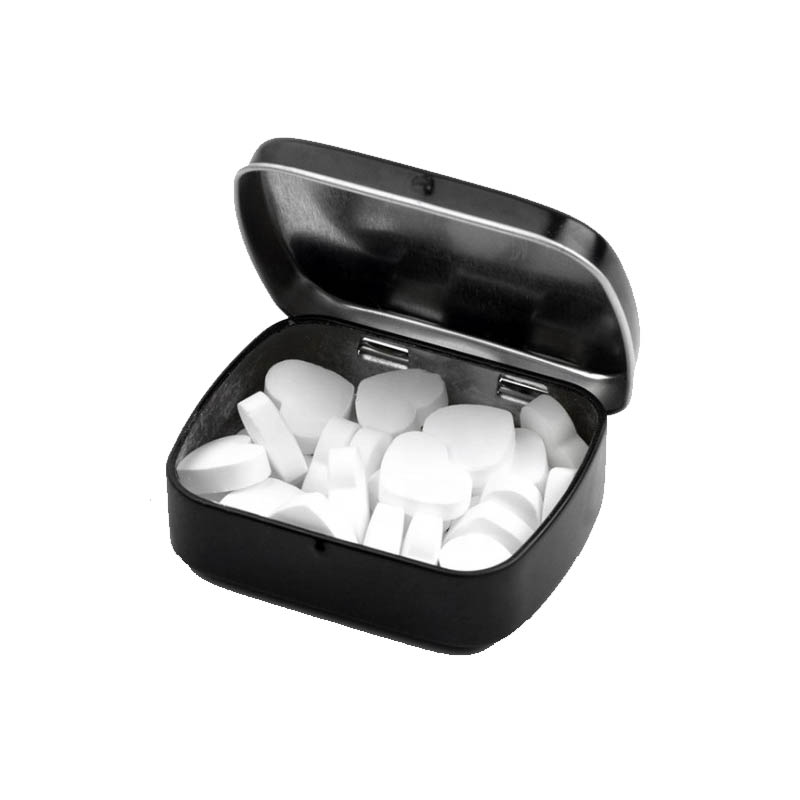
Maneira econômica de promover seu negócio ou marca.Opção de embalagem acessível para empresas e indivíduos.Fabricados com materiais recicláveis, o que os torna uma opção de embalagem ecológica.Variedade de cores e designs, o que os torna uma opção de embalagem atraente.Projetado com uma tampa segura para garantir que os itens permaneçam seguros e protegidos.
CONSULTE MAIS INFORMAÇÃO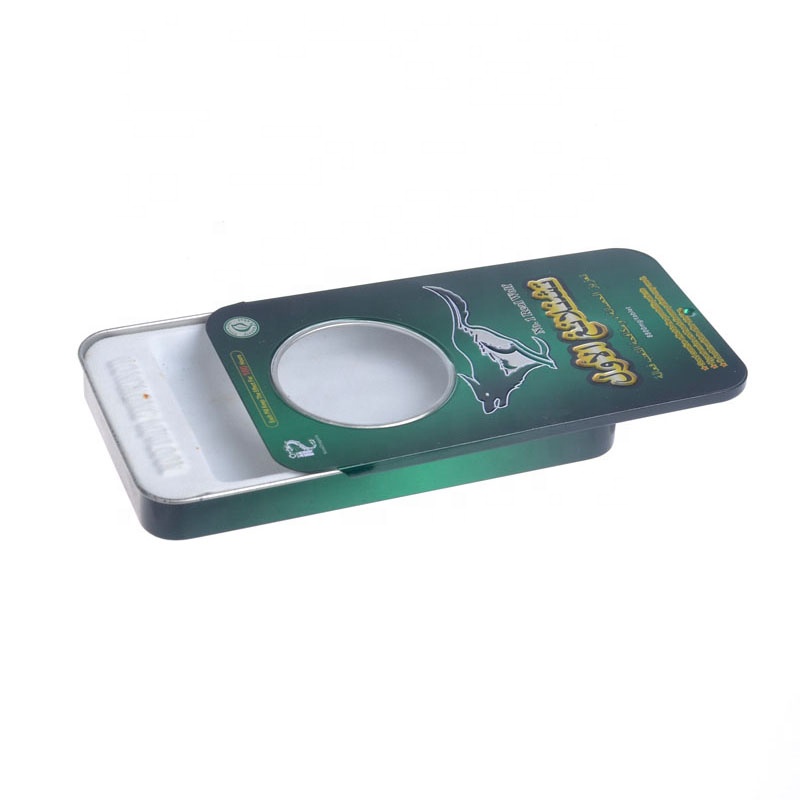
Tampa bem ajustada para impedir a entrada de ar e manter o sabor da menta excelente.Variedade de tamanhos, para que você encontre o tamanho perfeito para suas necessidades.Visual elegante e moderno que ficará ótimo em qualquer bancada.Feito com materiais ecológicos que são melhores para o meio ambiente.Personalizados com seu próprio design ou logotipo, para que você possa torná-los únicos.
CONSULTE MAIS INFORMAÇÃO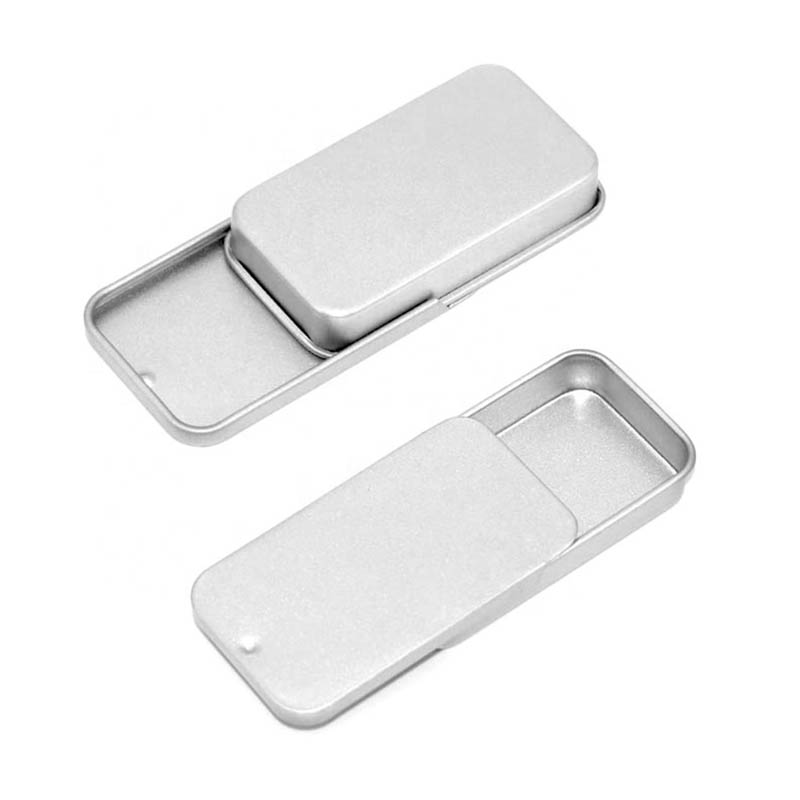
Perfeito para armazenar e proteger itens contra poeira, sujeira e umidade.Leves e duráveis, tornando-os ideais para envio e transporte de itens.Variedade de tamanhos e formatos, permitindo personalizar suas necessidades de armazenamento.Múltiplas cores e designs, permitindo que você personalize suas necessidades de armazenamento.Opção de embalagem acessível para empresas.
CONSULTE MAIS INFORMAÇÃO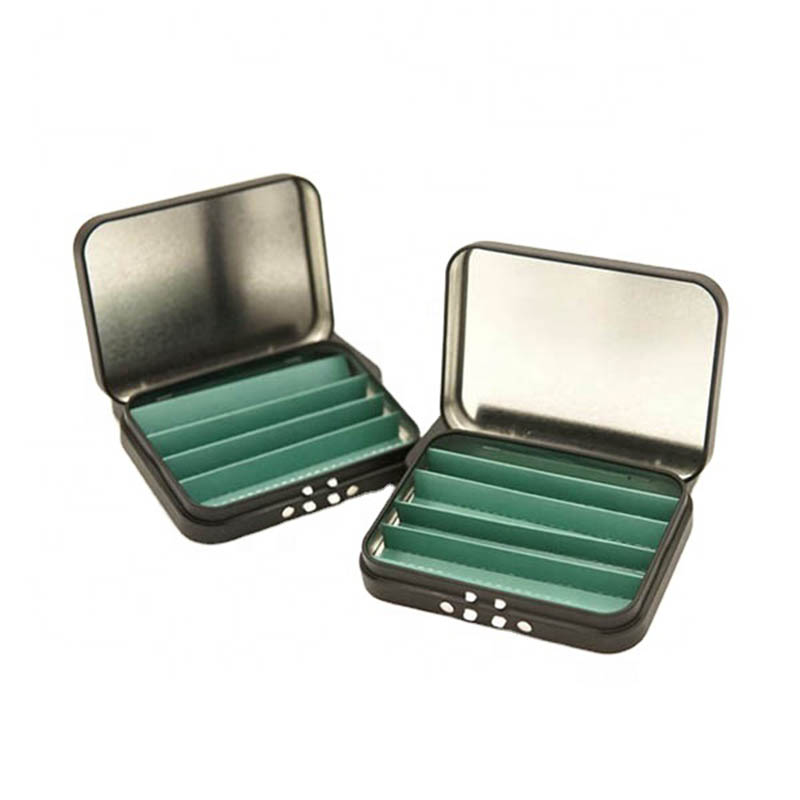
Existem mais de 100 moldes que podem atender às suas diversas demandas.Herméticos e selados os tornam ideais para armazenar itens como especiarias e ervas.Cooperação de longo prazo com Mentos, Tic Tac, Altoids.Opção de embalagem ecológica, pois são reutilizáveis e recicláveis.Ótima maneira de criar uma exibição única e atraente.
CONSULTE MAIS INFORMAÇÃO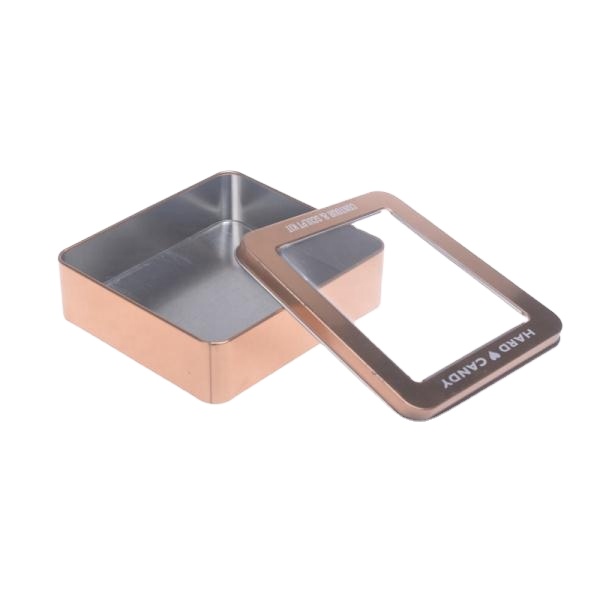
Independentemente do tipo de embalagem que você precisa, temos opções de embalagens de biscoitos que vão funcionar.O armazenamento prolongado de biscoitos e a vedação eficaz podem ser alcançados por meio de técnicas avançadas.Marcas de biscoitos conhecidas como Oreo, Keebler, Chips Ahoy e Pepperidge Farm fazem parte de nossos clientes fiéis.A segurança das embalagens dos biscoitos é garantida por serem feitas em folha-de-flandres de primeira qualidade e seguras para contato com alimentos.Pantone profissional e máquinas de impressão em 4 cores são usadas para obter apresentações em caixas de lata de alta qualidade.
CONSULTE MAIS INFORMAÇÃO
Oferecemos opções de embalagens para doces que se adaptam a qualquer tipo de embalagem que você tenha.Técnicas avançadas de vedação podem permitir o armazenamento eficaz de seus cookies por longos períodos de tempo.As caixas de lata para biscoitos têm aplicações versáteis além de conservar biscoitos, incluindo armazenar nozes e doces.A utilização de folha-de-flandres de primeira qualidade, segura para contato com alimentos, garante a segurança das embalagens dos biscoitos.O uso de máquinas profissionais de impressão em cores pantone garante a excelência das apresentações em caixas de lata.
CONSULTE MAIS INFORMAÇÃO
Oferecemos opções de embalagens de doces adequadas para todos os tipos de materiais de embalagem.A implementação de técnicas sofisticadas permite uma vedação eficaz dos biscoitos e um armazenamento prolongado.Além de guardar biscoitos, as caixas de lata para biscoitos também podem ser utilizadas para guardar frutas secas, nozes e doces.O recurso fácil de limpar e higienizar da embalagem de lata de biscoitos a torna uma opção segura e higiênica para embalagens de alimentos.As caixas de lata para biscoitos são projetadas em vários formatos e tamanhos que atendem ao seu gosto.
CONSULTE MAIS INFORMAÇÃO
Temos opções de embalagens de chocolate adequadas para uma ampla variedade de materiais de embalagem.As latas de chocolate são equipadas com um selo hermético que garante a frescura por um longo período.As caixas de chocolate são uma escolha ecológica, pois podem ser usadas várias vezes antes de serem descartadas.Com suas qualidades duradouras e duráveis, a lata de chocolate é uma escolha econômica para embalagem.O material robusto das latas de chocolate garante que elas fiquem protegidas contra quebras ou esmagamentos.
CONSULTE MAIS INFORMAÇÃO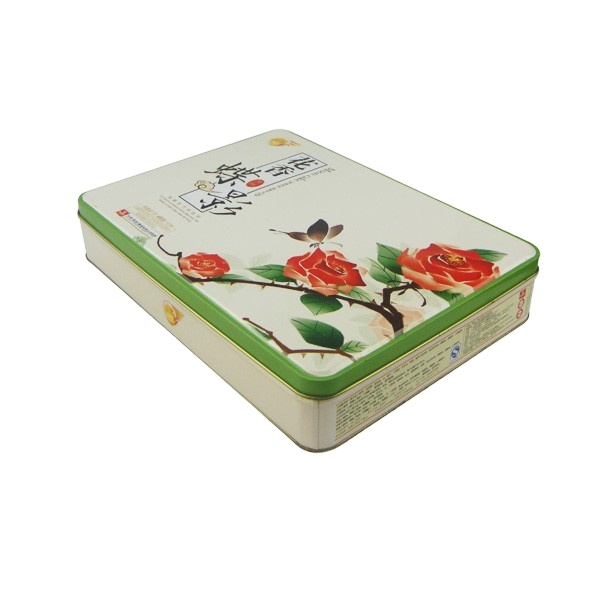
Nossas opções de embalagens para bolos são versáteis e podem ser adaptadas a qualquer tipo de embalagem.Seus biscoitos podem ser armazenados por longos períodos de tempo com a ajuda de técnicas sofisticadas de selagem.O frescor dos biscoitos é preservado por um longo período devido ao recurso de bloqueio de ar e umidade.A facilidade com que as embalagens de latas de biscoitos podem ser limpas e higienizadas torna-as uma opção higiênica.Vários formatos e tamanhos de caixas de lata para biscoitos garantem que você encontre uma que se adapte ao seu gosto.
CONSULTE MAIS INFORMAÇÃO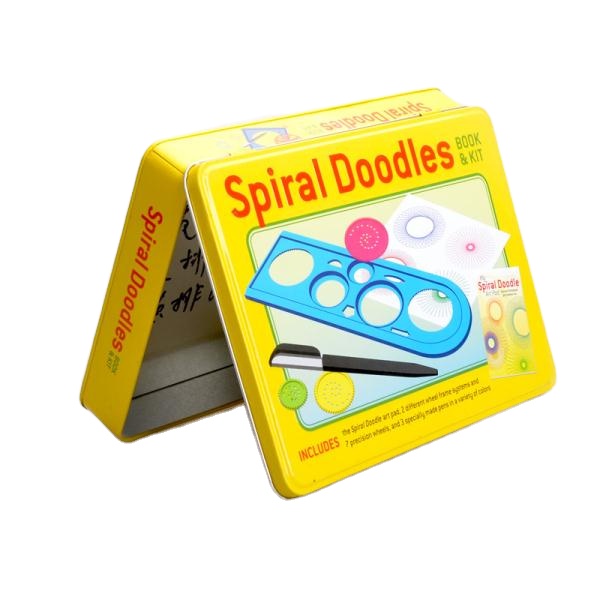
Oferecemos opções de embalagens de biscoitos que se adaptam a qualquer tipo de exigência de embalagem de biscoitos.Uma vedação hermética nas latas de biscoitos garante que seus biscoitos permaneçam frescos por um longo período.As caixas de lata para biscoitos são uma alternativa ecológica devido à sua capacidade de serem reutilizadas várias vezes.A robustez e a longevidade da lata de biscoitos tornam-na uma solução de embalagem econômica.Com seu material resistente, as formas para biscoitos oferecem excelente proteção contra quebras ou esmagamentos.
CONSULTE MAIS INFORMAÇÃO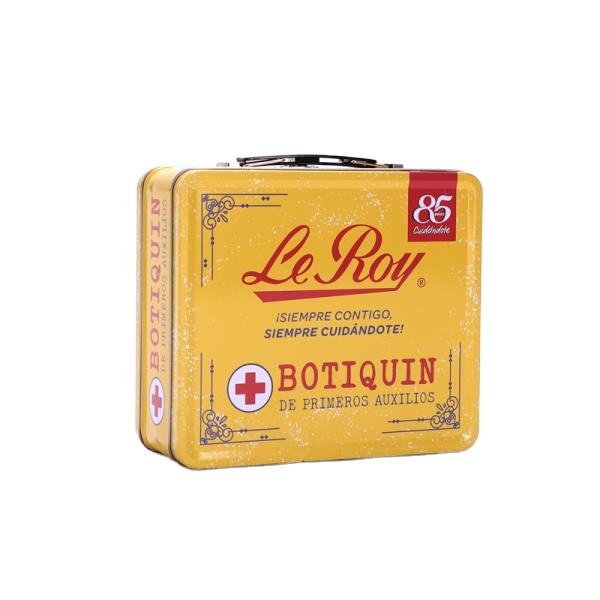
Nossas opções de embalagem de biscoitos podem ser adaptadas para atender às suas necessidades específicas de embalagem.Para armazenamento prolongado de seus cookies, podem ser utilizadas técnicas avançadas de vedação.Privilégio de servir marcas de biscoitos conhecidas como Oreo, Keebler, Chips Ahoy e Pepperidge Farm.A embalagem dos seus biscoitos é totalmente segura para contato com alimentos, pois é feita de folha-de-flandres de primeira qualidade.Pantone profissional e máquinas de impressão em 4 cores são empregadas para garantir a superioridade das apresentações em caixas de lata.
CONSULTE MAIS INFORMAÇÃO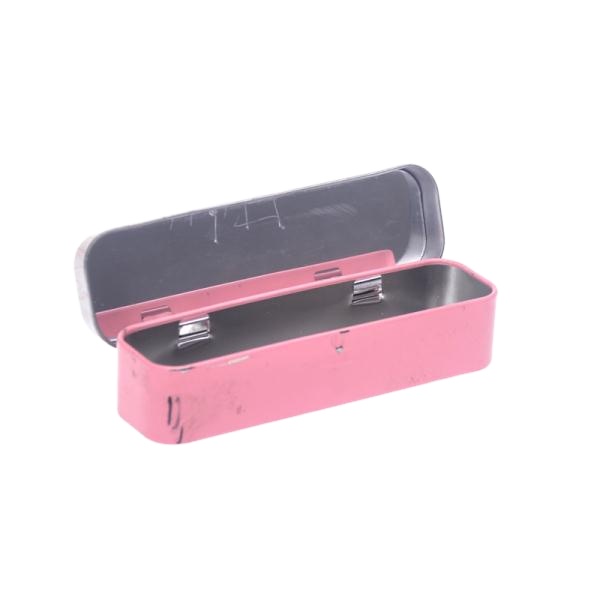
Feito de materiais de folha-de-flandres resistentes e resilientes, resiste e permanece robusto por um longo período de tempo.Proteja seus artigos de papelaria contra danos ou perdas com uma barreira confiável, mantendo-os seguros e intactos.Experimente a versatilidade da nossa coleção, que oferece uma variedade de tamanhos e estilos para atender a todas as suas necessidades, desde suportes até estojos.Liberte todo o potencial dos seus lápis com uma máquina de impressão colorida de última geração, com designs personalizados e torne-os irresistivelmente atraentes.Fornecimento direto da fábrica, garantindo que você receba produtos da mais alta qualidade a um preço competitivo e econômico.
CONSULTE MAIS INFORMAÇÃO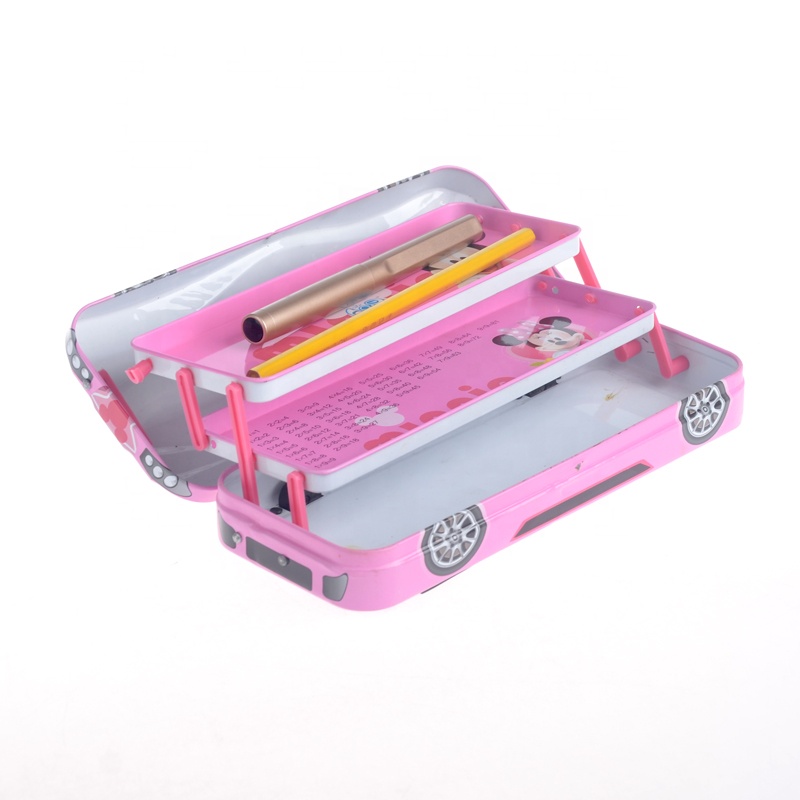
Construído a partir de materiais robustos de folha-de-flandres, garantindo sua durabilidade e longevidade.Proteja seus artigos de papelaria com uma barreira segura, protegendo-os contra danos ou perdas.Grande variedade de tamanhos e estilos, incluindo suportes e estojos, atendem a todas as suas necessidades e preferências específicas.Com máquina de impressão a cores de última geração, acrescentando um toque personalizado e cativante a cada um.Garantimos que você receberá produtos de primeira linha, de qualidade excepcional a um preço altamente competitivo.
CONSULTE MAIS INFORMAÇÃO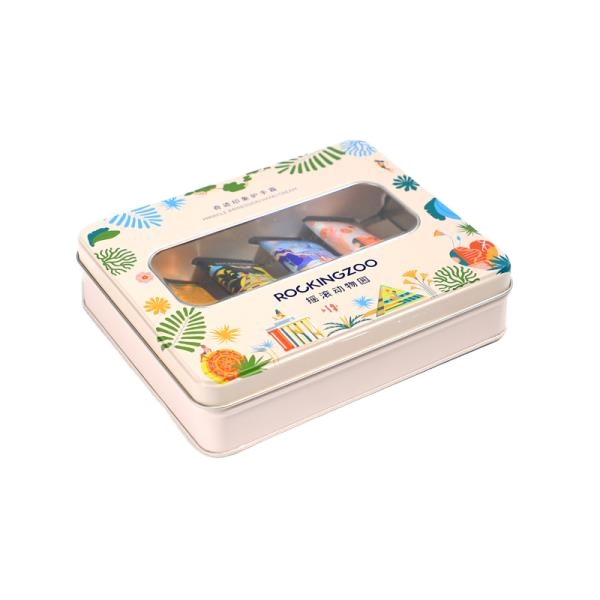
Fabricado com materiais de folha-de-flandres resilientes, projetados para resistir ao teste do tempo e permanecer duráveis por um longo período.Garanta a segurança de seus artigos de papelaria utilizando uma barreira confiável, evitando efetivamente qualquer dano ou perda potencial.Solução perfeita para suas diversas necessidades com ampla variedade de tamanhos e estilos, incluindo suportes e estojos.Aumente o fascínio dos seus lápis com a nossa avançada máquina de impressão a cores, criando uma estética personalizada e apelativa.Beneficie-se do nosso fornecimento direto de fábrica, garantindo que você receba produtos de qualidade superior a um custo que permanece altamente competitivo.
CONSULTE MAIS INFORMAÇÃO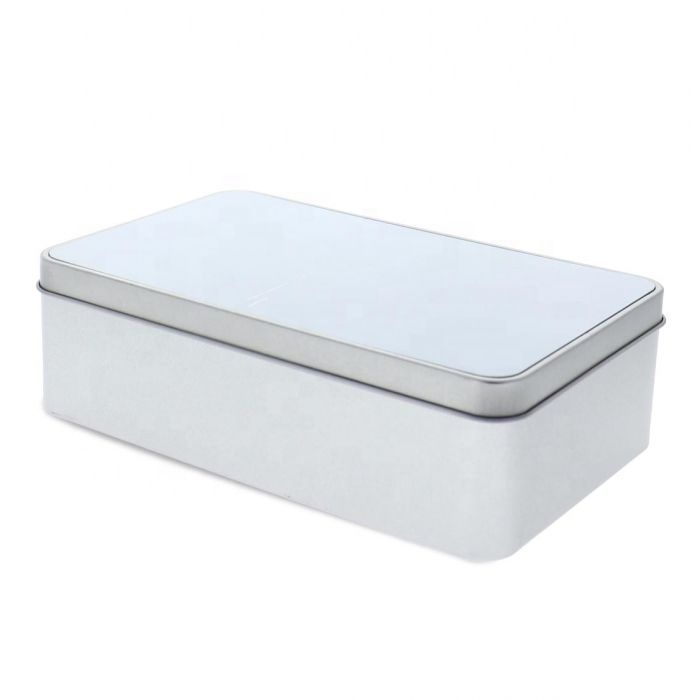
Não importa o tipo de embalagem que você precisa, nós temos a solução perfeita para você. Técnicas avançadas garantem uma vedação eficaz para seus produtos, permitindo recursos estendidos de armazenamento. Marcas de alimentos renomadas como Oreo, Keebler, Chips Ahoy e Pepperidge Farm estão entre nossos clientes fiéis. Fique tranquilo, pois seus produtos serão embalados em folha-de-flandres de primeira qualidade, segura para contato direto com alimentos. Máquinas profissionais de impressão Pantone e 4 cores garantem apresentações em caixas de lata de qualidade superior para seus produtos.
CONSULTE MAIS INFORMAÇÃO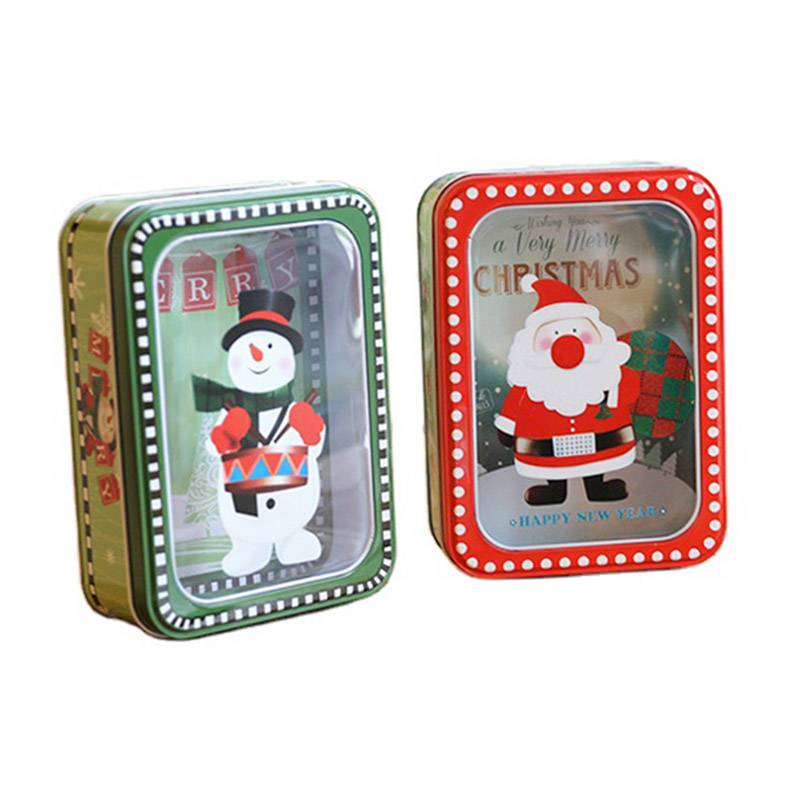
Oferecemos uma seleção diversificada de opções de embalagens de doces que atendem a diversas necessidades de embalagem.A vedação hermética das latas de doces desempenha um papel crucial na preservação do frescor por um longo período.Os designs vibrantes e atraentes das caixas de doces garantem fácil reconhecimento e identificação.As embalagens de latas para doces são uma opção perfeita para manter a higiene das embalagens de alimentos, pois podem ser facilmente limpas e higienizadas.As latas de doces são fabricadas com materiais duráveis que oferecem excelente proteção contra quebras ou esmagamentos.
CONSULTE MAIS INFORMAÇÃO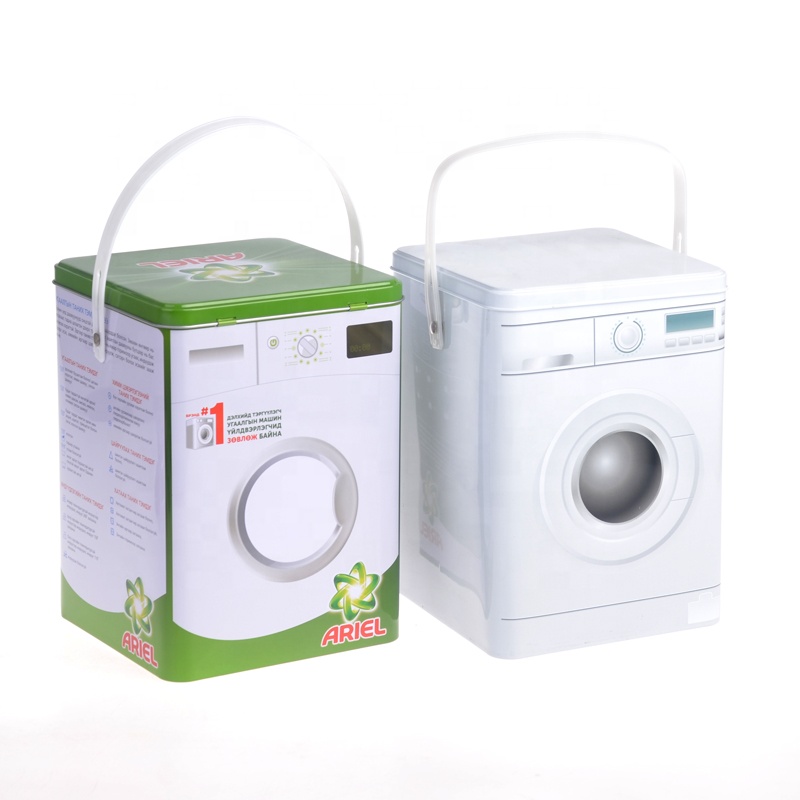
Nossas opções de embalagens de biscoitos podem ser personalizadas para atender perfeitamente às suas necessidades e preferências exclusivas de embalagem.Para garantir a frescura duradoura dos seus biscoitos, utilizamos técnicas avançadas de selagem que preservam eficazmente a sua qualidade durante o armazenamento.Privilégio de oferecer marcas renomadas de biscoitos como Oreo, Keebler, Chips Ahoy e Pepperidge Farm, garantindo um deleite delicioso e satisfatório.Nossas embalagens de biscoitos são totalmente seguras para contato com alimentos, pois são confeccionadas em folha-de-flandres de alta qualidade que atende aos mais altos padrões de segurança e higiene.Utilize máquinas profissionais de impressão Pantone e de 4 cores para garantir a qualidade superior de nossas apresentações em caixas de lata, garantindo designs vibrantes e visualmente atraentes para nossos valiosos clientes.
CONSULTE MAIS INFORMAÇÃO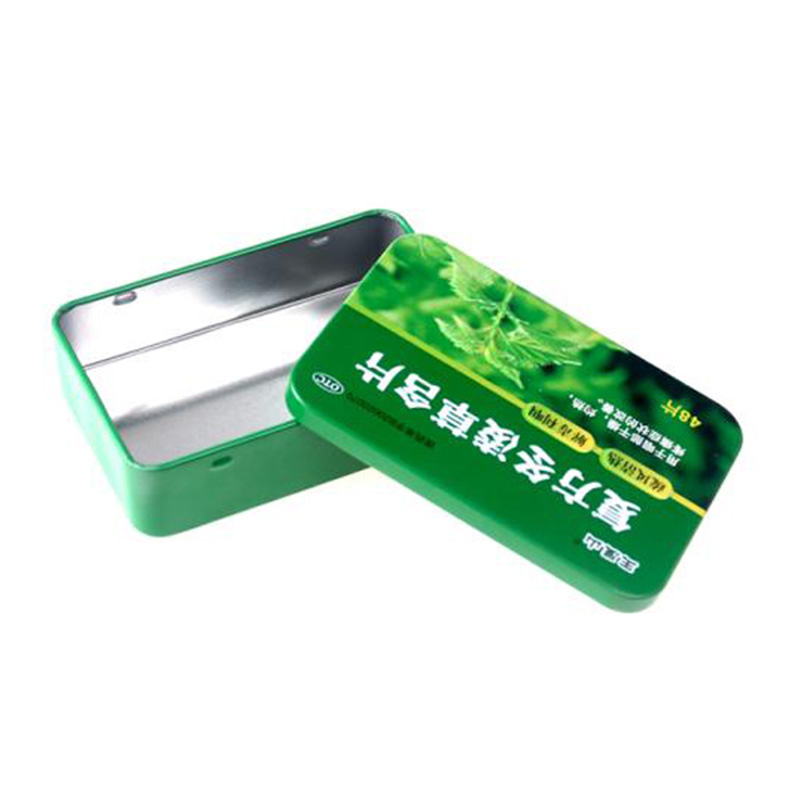
Empilhável, economizando espaço, fácil de armazenar e organizar.Uma gama diversificada de utilizações, seja para guardar artigos ou servir como elementos decorativos.Ideal para presentear pequenos itens como chocolates, balas e outras guloseimas.A folha de flandres para contato com alimentos ajuda a preservar o frescor e o sabor do doce, garantindo que ele permaneça delicioso.As caixas de lata podem ser personalizadas com seus designs e padrões exclusivos, adicionando um toque de exclusividade e aumentando seu valor geral.
CONSULTE MAIS INFORMAÇÃO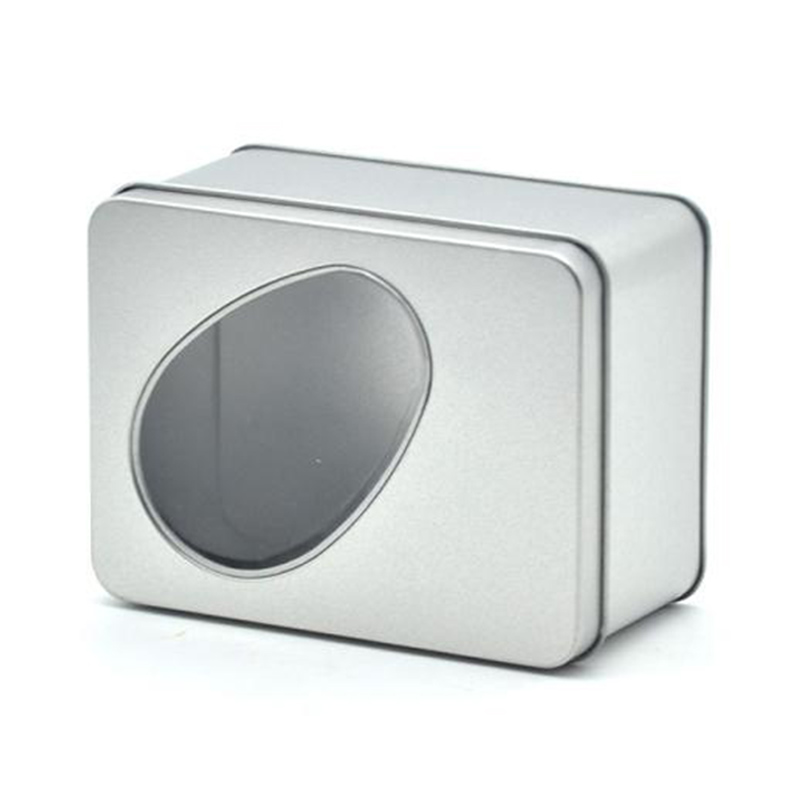
Não importa o tipo de embalagem que você precisa, temos opções de embalagens de biscoitos adequadas.Seus cookies podem ser armazenados por longos períodos de tempo com técnicas de vedação bem-sucedidas.Oreo, Keebler, Chips Ahoy e Pepperidge Farm são marcas famosas de biscoitos que nos são fiéis.A utilização de folha de flandres de primeira qualidade garante a segurança da embalagem dos seus biscoitos.Pantone profissional e máquinas de impressão em 4 cores são usadas para garantir a qualidade superior das apresentações em caixas de lata.
CONSULTE MAIS INFORMAÇÃO
A solução de armazenamento empilhável foi projetada para economizar espaço, tornando-a conveniente para armazenar e organizar seus pertences.Utilizado para diversas finalidades, seja para guardar itens ou servir como elemento decorativo.Perfeito para apresentar pequenos itens como chocolates, doces e outras guloseimas deliciosas.A folha de flandres de primeira qualidade ajuda a preservar o frescor e o sabor dos doces, prolongando a vida útil.O suporte a logotipos e designs personalizados torna o produto mais atraente e valioso.
CONSULTE MAIS INFORMAÇÃO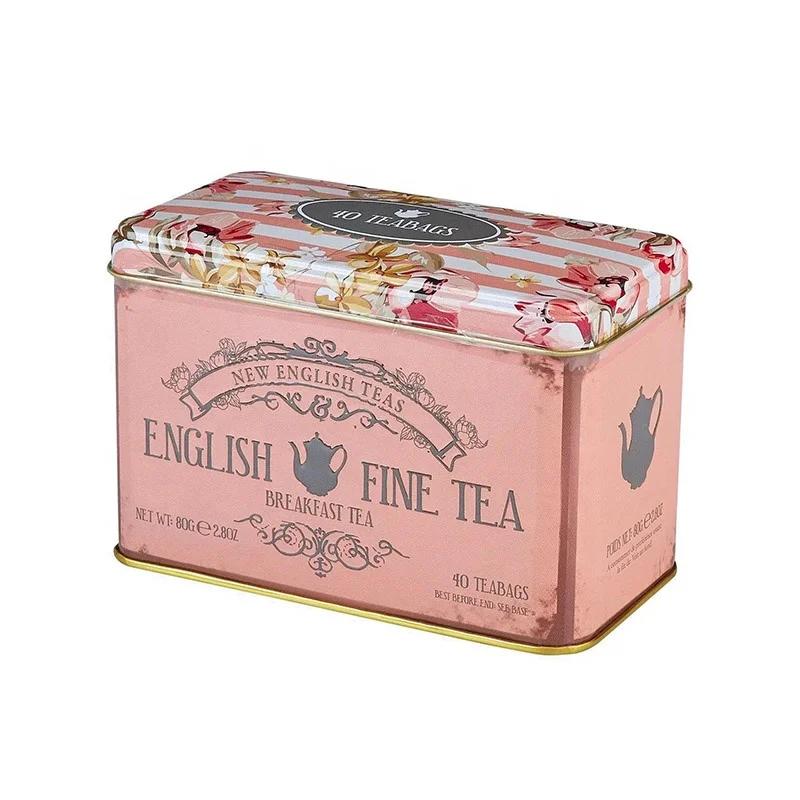
Robusto e versátil para inúmeras aplicações.Garante uma vedação hermética, mantendo o sabor e aroma do chá.Oferece uma seleção variada de tamanhos e estilos, tornando mais fácil encontrar aquele que atenda às suas necessidades.Usado para armazenar uma variedade de itens, incluindo especiarias, ervas e chás de folhas soltas.Excepcionalmente forte, garantindo que seu chá esteja protegido da umidade, da luz e do ar.
CONSULTE MAIS INFORMAÇÃO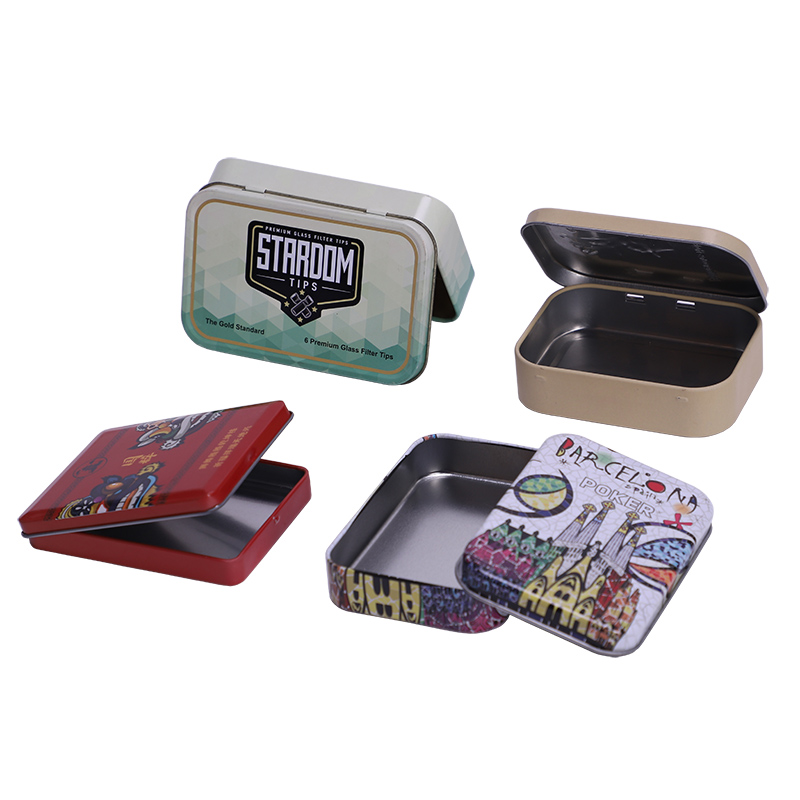
Ampla gama de soluções de embalagens de lata para você escolher, cobrindo toda a gama de produtos. O processo moderno traz uma boa vedação e longo tempo de armazenamento. Parceiros conhecidos incluem marcas líderes como Mentos, Tic Tac, Altoids. O material de folha de flandres de qualidade premium garante que a lata forneça uma vedação perfeita. Equipe de design profissional, equipamento de impressão avançado, apresentação perfeita.
CONSULTE MAIS INFORMAÇÃO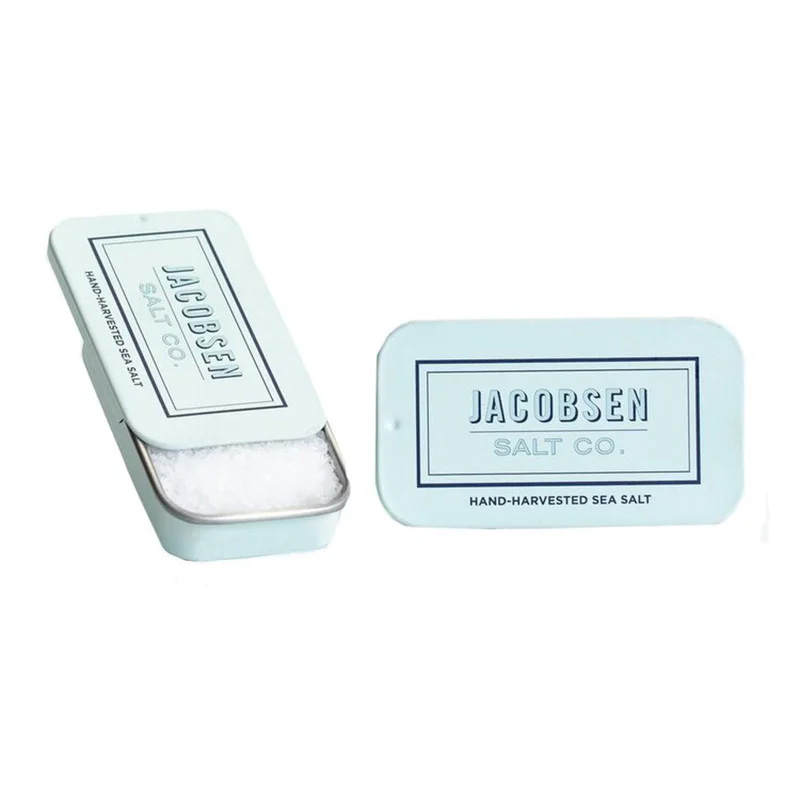
Seus produtos recebem excelente proteção com resistência e durabilidade.Ferramenta promocional ideal, pode ser personalizada com a sua marca.Atraentes para os clientes, possuem um design visualmente atraente.Ideais para identificação de produtos, são fáceis de etiquetar.Opção de embalagem ecologicamente correta, são recicláveis.
CONSULTE MAIS INFORMAÇÃO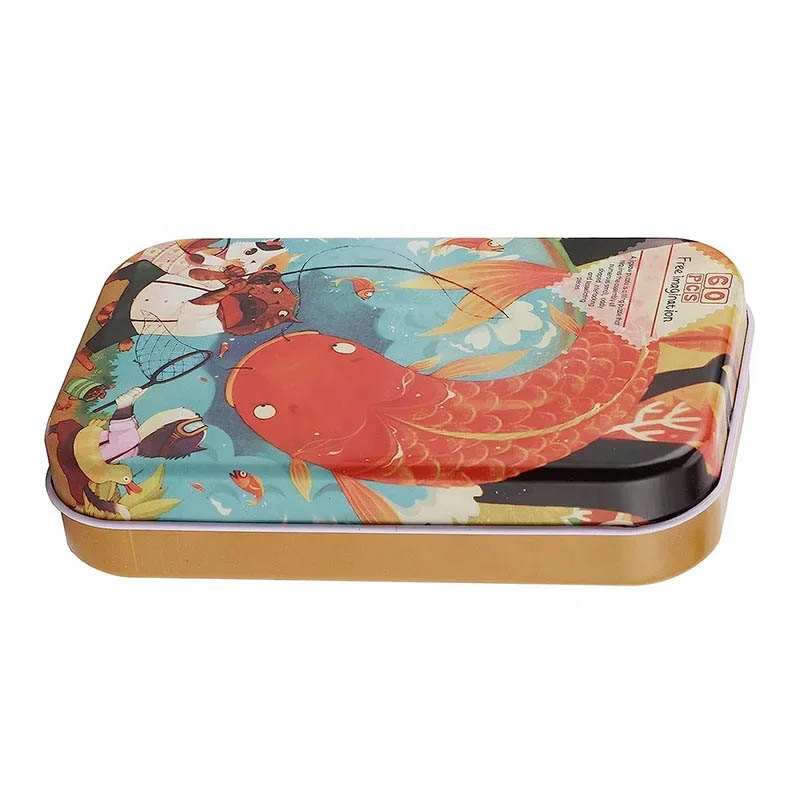
Explore uma ampla gama de soluções de embalagens de estanho projetadas para atender a uma ampla gama de produtos. Nossos processos contemporâneos garantem uma vedação segura e um tempo de armazenamento prolongado. Faça parceria com marcas conhecidas como Mentos, Tic Tac e Altoids. O uso de material de folha-de-flandres de qualidade premium garante uma vedação perfeita para sua embalagem de estanho. Beneficie-se de uma equipe de design profissional, equipamentos de impressão de última geração e padrões de apresentação impecáveis.
CONSULTE MAIS INFORMAÇÃO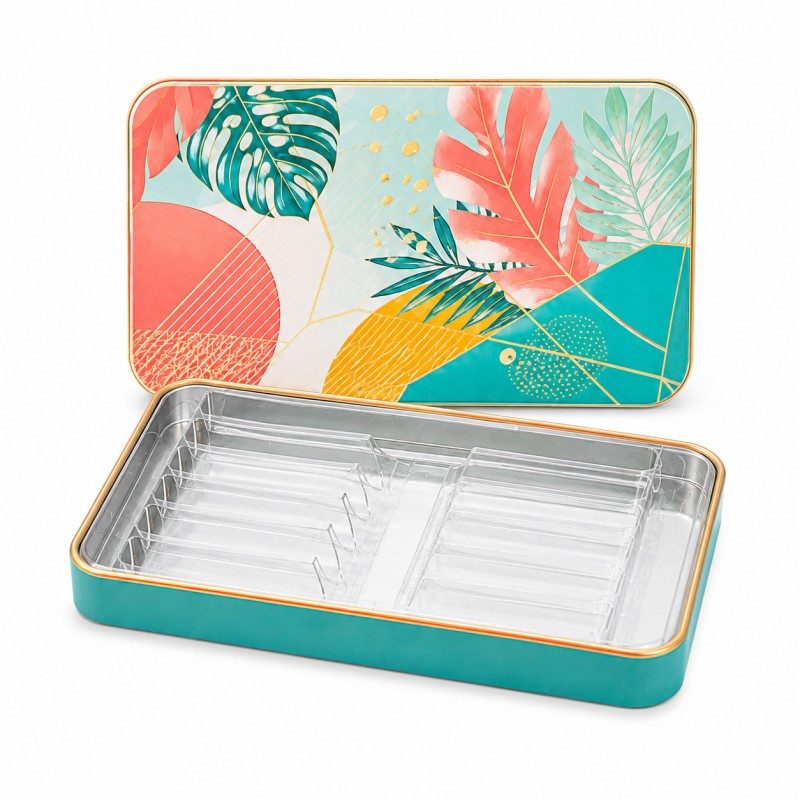
Projetados para fácil empilhamento, esses contêineres facilitam o armazenamento e a organização. Estes recipientes não são apenas reutilizáveis, mas também versáteis, servindo tanto como armazenamento como decoração. Com uma variedade de tamanhos, cores e designs, você pode encontrar o ajuste perfeito para suas necessidades. O design simples da tampa articulada permite fácil abertura e fechamento. Feitos de folha de flandres durável, esses recipientes são feitos para durar e resistir ao uso diário.
CONSULTE MAIS INFORMAÇÃO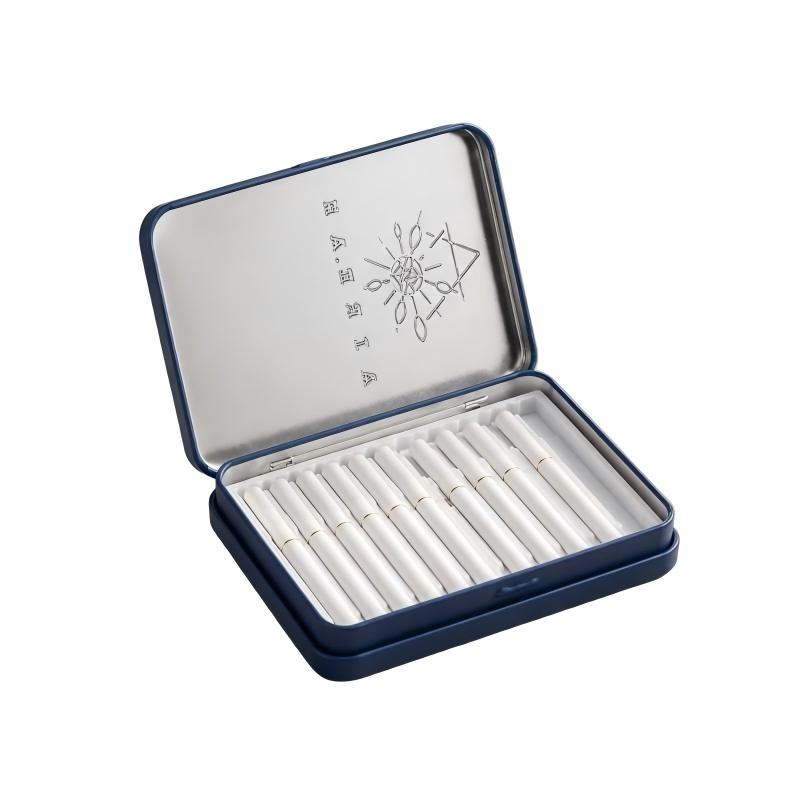
Esses contêineres são criados para armazenamento e organização convenientes, projetados para serem empilhados de maneira organizada. Eles são adequados para diversas finalidades e podem ser reaproveitados para guardar itens ou usados como peças decorativas. Você pode escolher entre uma variedade de tamanhos, cores e designs que atendem perfeitamente às suas necessidades específicas. Os recipientes apresentam uma estrutura de tampa articulada simples, garantindo fácil abertura e fechamento. Sua construção durável em folha de flandres garante que sejam construídos para durar e resistentes ao desgaste.
CONSULTE MAIS INFORMAÇÃOObtenha as últimas informações e ofertas especiais


 Rede IPv6 suportada
 Português
 English
 Français
 Deutsch
 Español